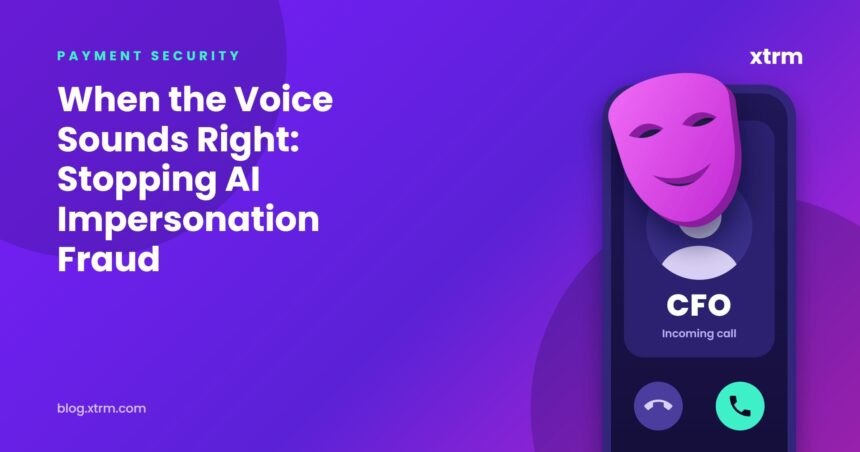
Toronto Police reported 17,000 fraud cases in 2026, with one in six incidents involving sophisticated AI scams that impersonate banks and telecommunications companies.
These criminal operations have siphoned over $50 million from victims as of mid-October, marking a significant escalation in digital financial crime.
Launch Len Media views this trend as a fundamental shift where attackers move from random phishing to highly personalized, trust-based exploitation.
The mechanics of AI impersonation
Detective David Coffey of the Toronto Police Service Financial Crimes Unit stated that criminals are harvesting data from social media and previous instances of a data breach. This information allows scammers to provide specific details, such as the last four digits of a bank card, to convince targets of their legitimacy.
The use of artificial intelligence enables these bad actors to scale their operations while maintaining a high level of personalization. By mimicking the tone and professional language of banks or telcos, they successfully bypass the natural skepticism of many consumers. Source: iPhone in Canada.
The psychological component of these attacks relies heavily on manufactured urgency. Scammers often claim that a customer’s account is compromised or that a service will be terminated immediately unless the victim takes action.
This pressure tactic is designed to bypass the victim’s critical thinking skills. Once the victim is in a state of panic, they are significantly more likely to follow the instructions of the caller without verifying the source.
AI allows scammers to personalize attacks by using data from past breaches and social media.
Detective David Coffey, Toronto Police Service

Financial impact and victim profiles
The financial toll of these scams reached a staggering $50 million by mid-October 2026. This figure represents only the reported losses, suggesting that the actual economic impact could be higher as some victims may not report the crime due to embarrassment.
One in six fraud reports received by the Toronto Police this year involved some form of AI-aided impersonation. This high frequency indicates that AI tools have become a standard component of the modern fraudster’s toolkit.
The shift toward AI-driven impersonation has made it increasingly difficult for the average consumer to distinguish between a legitimate service call and a criminal enterprise. The sophistication of these calls often mirrors the standard protocols used by major financial institutions.
As these scams continue to evolve, the burden of security is increasingly shifting toward the individual. While institutions attempt to mitigate risk, the human element remains the most vulnerable point in the security chain.
Defensive strategies for consumers
Law enforcement officials emphasize that the most effective defense against these scams is to hang up immediately. Once the call is disconnected, the victim should contact the institution directly using a verified phone number. Source: CityNews Ottawa.
Consumers should never provide sensitive information, such as passwords or two-factor authentication codes, over the phone. Legitimate organizations will not ask for these credentials in an unsolicited call.
The following list provides actionable steps to protect your personal and financial information from AI-driven threats:
Use the following practices to maintain your security:
- Hang up on any unsolicited call that claims to be from your bank or telecommunications provider.
- Verify the caller’s identity by calling the official customer service number found on the back of your bank card or the company’s website.
- Enable multi-factor authentication on all financial and email accounts to add an extra layer of protection.
- Monitor your bank statements regularly for unauthorized transactions or suspicious activity.
- Avoid sharing personal details on social media that could be used to build a profile for a targeted attack.
The role of corporate and institutional defense
Telecommunications carriers in Canada have begun deploying defensive tools to combat the rise of AI scams. For example, services like Telus Scam Protection are designed to flag suspicious incoming calls before they reach the consumer.
These tools act as a necessary baseline of defense, filtering out known malicious numbers and patterns. However, they are not a complete solution, as scammers frequently rotate their infrastructure to avoid detection.
Financial institutions are also enhancing their security protocols to restrict third-party access to banking data. These measures, while sometimes inconvenient for users, are essential to prevent AI agents from scraping account information.
A fair counterpoint to the rise of these scams is that the industry is not standing still. The ongoing deployment of AI-based detection systems by banks and telcos provides a critical, albeit imperfect, shield against automated spoofing. Source: Toronto Police Service.
Analysis of the current fraud landscape
The integration of AI into social engineering has fundamentally changed the nature of fraud. It has moved the industry away from broad, low-effort phishing toward highly targeted, trust-based exploitation that is harder to detect.
Launch Len Media maintains that while corporate defenses are improving, they cannot keep pace with the speed of AI innovation. The ability of criminals to synthesize voice and data in real-time creates a persistent threat that requires constant vigilance from the public.
The effectiveness of these scams relies on the trust consumers place in their service providers. When that trust is weaponized, the results are often devastating for the victims involved.
Ultimately, the combination of technological defense and consumer awareness is the only viable path forward. Relying solely on automated filters will leave individuals exposed to the next generation of AI-driven tactics.
Frequently Asked Questions
How do I know if a call from my bank is legitimate?
If you receive an unsolicited call, hang up immediately. Call the institution back using a phone number you know to be official, such as the one on the back of your debit card.
Are telecommunications companies doing anything to stop these calls?
Yes, many Canadian carriers have implemented spam-protection tools that flag suspicious calls. While these tools catch many attempts, they cannot stop every instance of sophisticated AI spoofing.
What should I do if I have already shared my information with a scammer?
Contact your financial institution immediately to freeze your accounts and report the fraud. You should also file a report with your local police service and monitor your credit reports for signs of identity theft.
Related coverage on LaunchLen Media: RBC Blocks Third-Party AI Agents From Accessing Online Banking and Major Banks Move to Restrict AI Agent Bank Access Over Security Risks.
For official information, see the Canadian Anti-Fraud Centre and the Toronto Police Service.