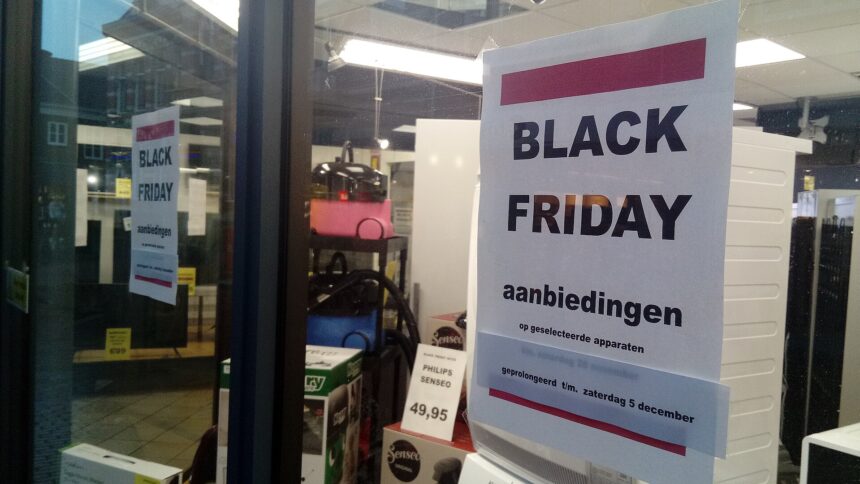
Black Friday 2026 officially falls on November 27, though many retailers have already begun rolling out deals in early November. Consumers should prioritize specific Black Friday shopping tips to avoid the psychological traps designed to drive overspending.
Launch Len Media views this retail period as a high-stakes psychological battlefield where planning is the only defense against impulse purchases. Treating the season as a strategic event rather than a spontaneous spree is the best way to manage household financial stress during the holidays.
The Mechanics of Retail Manipulation
Retailers intentionally use psychological triggers such as loss aversion and artificial urgency to reduce thoughtful deliberation. According to experts at Western News, these tactics are designed to push consumers toward impulse buying rather than rational decision-making. Source: Curiocity.
The scale of this spending is significant. Canadian Black Friday and Cyber Monday spending reached an estimated $865 million USD in 2025, marking a 6% increase from the previous year according to data from Strategy.
This growth highlights the effectiveness of marketing campaigns that leverage AI and dynamic pricing. Retailers often adjust prices in real time, meaning some items may be cheaper at other times of the year despite the heavy promotion of Black Friday discounts.
The pressure to participate in these events can contribute to significant household financial stress. Understanding that these sales are engineered to maximize retailer revenue is the first step toward regaining control.
The stress associated with Black Friday is often by design, utilizing psychological triggers like loss aversion and artificial urgency to drive impulse purchases.
Western News

Tools for Price Verification
To navigate the noise of thousands of advertisements, consumers should employ digital tools to verify the legitimacy of discounts. Price-tracking platforms like Keepa or CamelCamelCamel allow users to view historical pricing data for specific products.
These tools help identify if a retailer has artificially inflated a price before applying a discount. By checking the price history, you can determine if the current sale price is actually a bargain or merely a marketing illusion.
Experts recommend researching the price history of big-ticket items weeks before the event. If the price has remained stable or was lower in the summer, the Black Friday deal may not be as attractive as it appears.
Consistency is also a factor. If a brand is known for offering a 20% discount every year, you can safely plan your budget around that specific percentage rather than expecting a deeper, unrealistic cut.
Recommended Shopping Strategies
The most effective way to manage your holiday spending is to implement a rigid, pre-planned strategy. Below are the primary methods to ensure you only purchase what you need at a fair price. Source: Western News.
These options focus on removing the emotional component from the shopping experience.
First, create a prioritized wish list. This list should include only items you intended to buy before the sales season began. If an item is not on the list, do not purchase it, regardless of the discount percentage.
Second, set a hard budget. Determine the maximum amount you are willing to spend in total and allocate specific amounts to each item on your wish list. This prevents the ‘add-on’ effect where small, cheap items lead to a large final bill.
Third, use price-tracking tools. Before finalizing any purchase, check the price history of the product to ensure you are not buying at an inflated price point. This is the most reliable way to avoid being misled by retailers.
Finally, ignore the ‘doorbuster’ labels. These labels are designed to create a sense of urgency. If you have not researched the item, the urgency is likely artificial and intended to force a quick, unresearched decision.
The Case for Strategic Consumerism
Launch Len maintains that Black Friday is a psychological trap that benefits retailers far more than consumers. The goal of these companies is to move inventory quickly by bypassing the consumer’s critical thinking skills.
A fair counterpoint is that for budget-conscious Canadians, the extended sales window provides a genuine opportunity to secure essential items at lower prices. When used correctly, these sales can help families stretch their budgets further during the holiday season.
However, the benefit only exists if the consumer remains disciplined. If the sales window leads to the purchase of non-essential items, the net effect is a loss of capital rather than a gain in savings. Source: Strategy.
The key is to treat the event as a procurement task rather than a shopping experience. By maintaining this professional distance, you can capture the genuine savings while avoiding the traps set by marketing departments.
Actionable Steps for Holiday Success
To start, audit your current inventory of household goods. Identify what you actually need to replace or acquire before the end of the year.
Next, download a price-tracking browser extension or bookmark the relevant tracking websites. Set alerts for the specific items on your wish list so you are notified when the price drops to your target level.
Finally, commit to a ‘cooling-off’ period. If you see a deal that looks too good to pass up, wait 24 hours before completing the purchase. This simple step is often enough to break the psychological hold of an impulse-driven advertisement.
By following these steps, you can navigate the season with confidence. Focus on the value of the items rather than the intensity of the marketing.
Frequently Asked Questions
Is Black Friday always the best time to buy electronics?
Not necessarily. Retailers use dynamic pricing, and some items may be priced similarly or lower during other sales throughout the year.
How can I tell if a sale is actually a good deal?
Use price-tracking tools like CamelCamelCamel to check the historical price of the item. This reveals if the discount is based on an inflated price or a genuine reduction.
What is the most common mistake shoppers make on Black Friday?
The most common mistake is shopping without a pre-determined list or budget. This lack of planning makes it easy to fall for psychological triggers and purchase items you do not need.