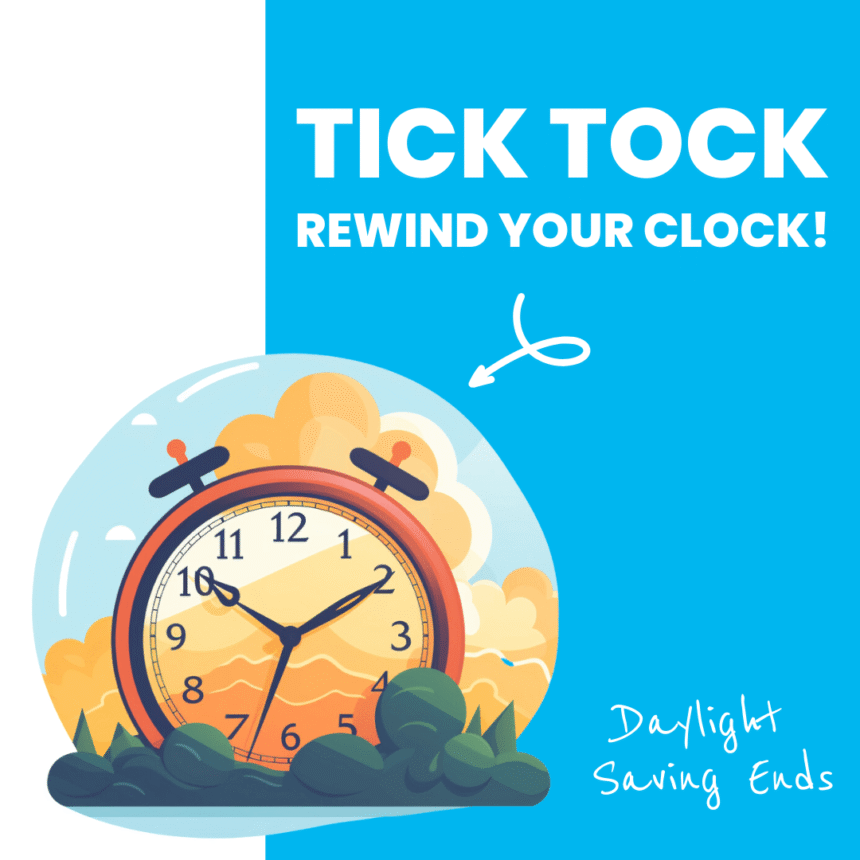
On November 1, 2026, residents in British Columbia, Alberta, Manitoba, and the Northwest Territories will not adjust their clocks as other Canadian regions move to standard time. This regional divergence creates a technical challenge for mobile devices that rely on standardized time-zone databases.
Launch Len Media views this patchwork of provincial policies as an unnecessary source of friction for consumers. While local democratic preferences drive these changes, the resulting lack of synchronization forces users to manage device settings manually to avoid scheduling errors.
The Mechanics of the Regional Shift
The upcoming November 1, 2026, date marks a significant departure from traditional synchronization in Canada. While Ontario, Quebec, and Atlantic Canada will continue to observe the biannual shift, four western and northern jurisdictions have opted out. Source: iPhone in Canada.
British Columbia, Alberta, Manitoba, and the Northwest Territories will remain on their current time settings. This decision reflects a broader movement toward permanent daylight saving time in these specific regions.
Operating systems typically rely on the IANA time zone database to manage these adjustments. When a province changes its policy, the database must be updated across all consumer hardware to reflect the new reality.
Failure to update this underlying data can lead to devices automatically falling back an hour. This error can result in missed appointments and disrupted alarms for users living in the affected provinces.

Technical Mitigation Strategies
Bell Canada has issued specific guidance to help customers navigate these discrepancies. The carrier advises all users to verify that their device settings are configured for Automatic Date and Time.
Enabling this feature allows the phone to communicate with network towers to receive the correct local time. Bell also suggests performing a full power cycle of the device to clear cached time data.
The Canadian Telecommunications Association emphasizes the importance of system software updates. These updates contain the latest IANA database patches required for devices to recognize that certain provinces are not participating in the fall back.
Google has taken proactive measures to address potential confusion within its ecosystem. The company has updated its calendar systems to flag meetings scheduled after November 1 that might be affected by the one-hour discrepancy.
Recommended Actions for Consumers
To ensure your device remains accurate during this transition, follow these specific steps. These actions are designed to minimize the risk of technical errors caused by the regional policy split.
First, navigate to your device settings menu and confirm that the date and time are set to update automatically. This is the most effective way to ensure your phone pulls the correct time from your carrier.
Second, check your device for any pending operating system updates. Manufacturers release these patches to ensure that your phone understands the specific time-zone rules for your current location.
Third, restart your device completely after installing any updates. A power cycle forces the hardware to re-establish its connection with the network and apply the new time-zone rules.
Finally, review your digital calendar for the week of November 1. If you have meetings scheduled with individuals in provinces that are still observing the time change, manually verify the start times to avoid confusion.
Analysis of the Policy Friction
The divergence in provincial time-zone policies highlights a growing tension between local governance and national technical standards. While provinces have the right to set their own time, the lack of a unified approach creates tangible costs for consumers.
Critics of the current patchwork system argue that it creates unnecessary complexity for businesses and individuals operating across provincial borders. The risk of device errors, such as incorrect alarms or meeting times, is a direct consequence of this fragmentation.
Conversely, proponents of the regional approach argue that these shifts reflect the will of local populations who prefer permanent daylight saving time. They contend that the temporary inconvenience of updating devices is a small price to pay for the long-term benefits of the policy.
Launch Len Media maintains that the burden of synchronization should not fall on the consumer. We believe that better coordination between provincial governments and telecommunications providers is necessary to prevent these recurring technical issues.
Bell Canada advises users to enable ‘Automatic Date and Time’ and power cycle devices to ensure accurate time.
Bell Canada
For official information, see the Government of British Columbia and the Government of Alberta.