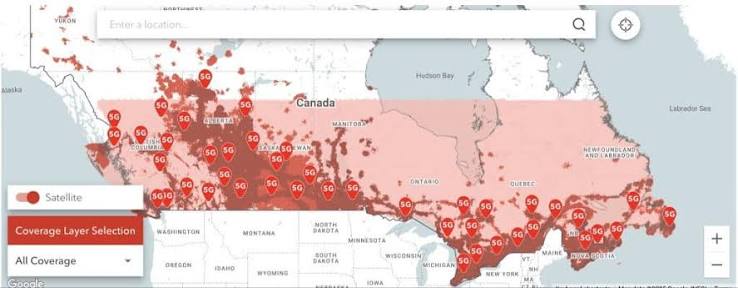
Rogers Communications officially expanded its satellite-to-mobile roaming service to Japan, Australia, and New Zealand on October 29, 2026. This move marks a significant step in the company’s effort to provide seamless connectivity for Canadian travelers in remote regions.
The expansion of Rogers Starlink roaming represents a vital bridge for global connectivity gaps, though it highlights growing tensions regarding national infrastructure dependency. Launch Len views this as a necessary evolution for mobile safety, despite emerging policy risks.
The Scope of the Satellite Expansion
The new coverage allows Rogers customers to maintain contact while traveling in Japan, Australia, and New Zealand. This service utilizes the existing SpaceX Starlink constellation to provide connectivity where traditional cellular towers are absent. Source: Rogers Communications.
According to official company statements, the service is designed to support text messaging and emergency text-to-911 services. It also enables the use of specific applications, including WhatsApp, Messenger, X, Google Maps, AllTrails, and AccuWeather.
The expansion builds upon the carrier’s previous efforts to integrate satellite technology into its standard mobile offerings. This initiative relies on the network of over 650 direct-to-mobile satellites currently operated by SpaceX.
Rogers Chief Technology Officer Mark Kennedy noted that the primary goal of this expansion is to keep Canadians connected in diverse international environments. The company continues to monitor usage patterns to determine future market additions.

Mechanics of the Roaming Service
The satellite-to-mobile feature is bundled into several existing Rogers service tiers. Customers on Ultimate, Popular, and Essentials plans receive this roaming capability at no additional cost.
The service also extends to users with eligible Roam Like Home options and active Travel Passes. This integration ensures that travelers do not need to purchase separate satellite hardware to maintain basic connectivity.
Technically, the system functions by routing mobile traffic directly to low-earth orbit satellites. This bypasses the need for local terrestrial infrastructure, which is particularly useful in rural or mountainous regions of the newly added countries.
Users are advised that the service is optimized for text-based communication and low-bandwidth mapping applications. High-bandwidth activities, such as video streaming, remain unsupported by the current satellite-to-mobile configuration.
Connectivity Options for Travelers
Rogers offers several ways for customers to access these new international capabilities. Each option is designed to integrate with the user’s existing mobile account structure.
The following options represent the primary methods for accessing the expanded satellite roaming network:
Ultimate Plan: This premium tier includes the full suite of satellite roaming features without extra charges. It is designed for frequent international travelers who require consistent connectivity.
Popular and Essentials Plans: These mid-tier and entry-level options now include satellite-to-mobile access as a standard feature. They provide a cost-effective way to maintain safety-critical communications while abroad.
Roam Like Home and Travel Passes: Customers who prefer pay-per-use or short-term roaming packages can access the satellite network through these existing add-ons. This flexibility allows users to activate coverage only when needed.
Direct-to-Mobile Integration: Unlike traditional roaming that requires a local carrier handshake, this service connects directly to the Starlink constellation. This ensures that users remain connected even in areas where local terrestrial networks are unavailable. Source: 5GWorldPro.
Strategic Risks and Policy Debates
While the expansion offers clear benefits to consumers, it also highlights a broader debate regarding national infrastructure. The Canadian government has signaled a potential shift in policy concerning the long-term use of private satellite providers.
According to reports from The New York Times, Prime Minister Mark Carney has indicated a desire to diversify away from Starlink. This stance suggests that the government views reliance on a single provider for critical communication infrastructure as a strategic risk.
Critics argue that tethering national communication capabilities to a single private entity could leave the country vulnerable to corporate policy changes or geopolitical pressures. This creates a complex environment for carriers like Rogers.
Conversely, proponents of the current model argue that the speed of deployment offered by SpaceX is unmatched. They contend that waiting for government-led alternatives would leave Canadians without essential safety tools for years to come.
Launch Len maintains that while diversification is a prudent long-term goal, the immediate safety benefits of satellite-to-mobile roaming cannot be ignored. The carrier must balance these consumer needs against the evolving regulatory landscape.
The service allows users to send text messages and use specific apps like WhatsApp and Google Maps in areas without cellular coverage.
Rogers Communications
Next Steps for Rogers Customers
If you are planning to travel to Japan, Australia, or New Zealand, you should first confirm your current plan status. You can verify your eligibility through the Rogers mobile app or by logging into your account online.
Ensure that your device is updated to the latest software version before departure. Satellite-to-mobile functionality often requires specific carrier settings that are pushed through routine system updates.
Review the list of supported applications before you leave. While the service covers essential tools like Google Maps and WhatsApp, it does not support full internet browsing or high-definition video calls.
Monitor your account for any future updates regarding the expansion of this service to other regions. Rogers is expected to continue its partnership with SpaceX as the satellite constellation grows.
Frequently Asked Questions
Is there an extra fee for using satellite roaming in these new countries?
No. The service is included at no additional cost for customers on Rogers’ Ultimate, Popular, and Essentials plans, as well as those with eligible Travel Passes.
Can I use the satellite service to make voice calls?
The current satellite-to-mobile service is primarily designed for text messaging and specific apps like WhatsApp and Google Maps. It does not support standard voice calling.
Do I need to buy special equipment to use this service?
No. The service works with your existing mobile device, provided you are on an eligible plan and have the latest carrier settings installed.