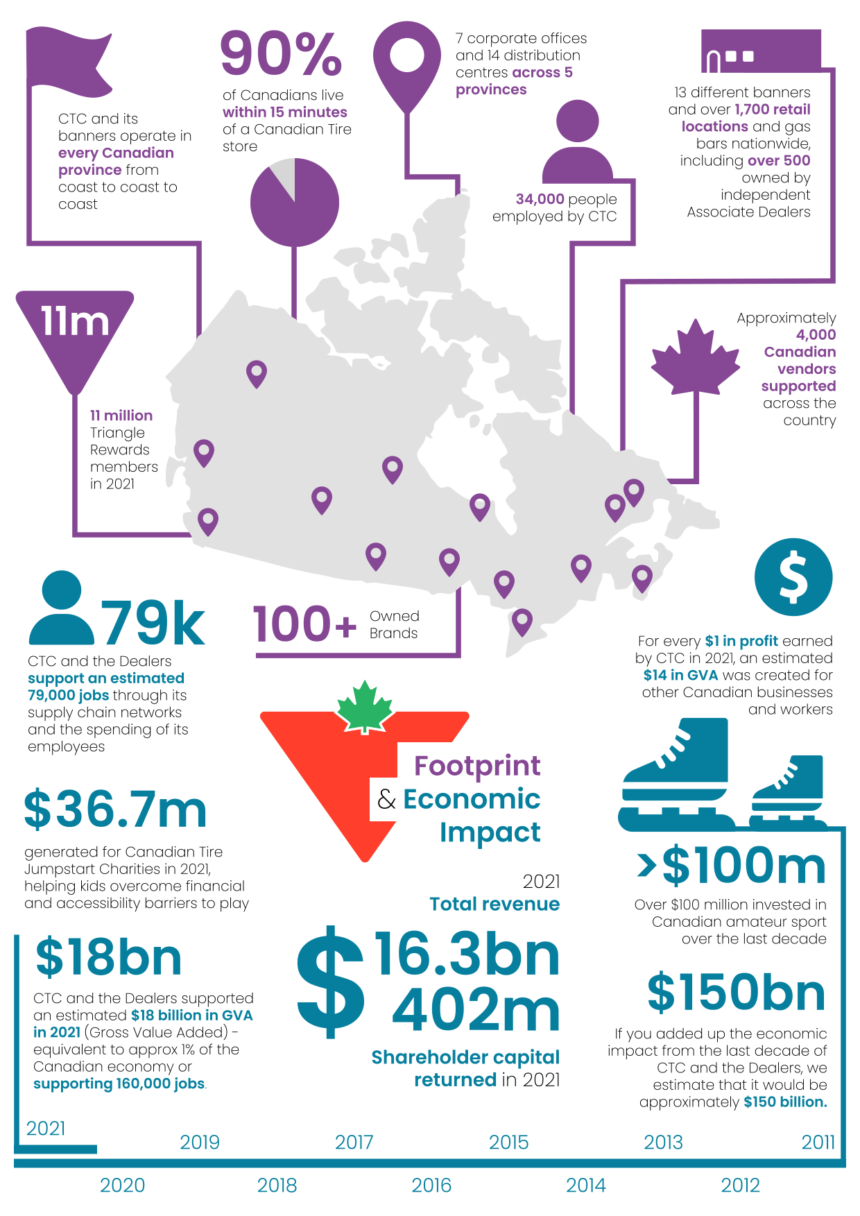
Canadian Tire stock recently reached a new milestone as the company announced its 17th consecutive annual dividend increase to $7.30 per share. This move, confirmed in November 2026, highlights the retailer’s commitment to returning capital to shareholders despite a complex economic environment.
For the long-term investor, this consistent payout growth serves as a primary indicator of operational resilience. Launch Len Media views this trend as a sign of disciplined capital allocation, though investors must weigh these returns against potential headwinds in the retail sector.
The broader market remains focused on how Canadian Tire balances these shareholder rewards with the rising costs of logistics and consumer credit risks.
Financial Performance and Dividend Growth
Canadian Tire Corporation reported normalized diluted earnings per share of $4.27 for the third quarter of 2026. This figure represents a 13% increase over the same period in 2025, according to the company’s November 12 results release.
The decision to raise the annual dividend to $7.30 per share from $7.20 underscores a long-term strategy of returning value. As of mid-November 2026, the stock offered a dividend yield of approximately 3.3%.
This consistent performance has made the company a staple for those seeking a reliable dividend stock, a theme we also covered in our TSX dividend picks for TFSA income. The dividend hike reflects management’s confidence in the firm’s ability to generate steady cash flow despite fluctuating consumer demand.
Retail Sales and Operational Metrics
Retail operations showed resilience during the third quarter of 2026, with comparable sales increasing by 3.2%. The company also reported a 15.3% growth in e-commerce sales, suggesting that digital initiatives are successfully capturing consumer interest.
The Financial Services segment also contributed to the overall positive results, reporting record revenue for the period. This segment remains a critical component of the company’s diversified business model.
Management noted that these gains were achieved even as the company navigated a challenging retail environment. The ability to maintain growth in both physical and digital channels provides a buffer against broader economic uncertainty.
However, the company is not immune to external pressures. Management highlighted that transportation costs and the timing of expenses could impact margins in the final quarter of the year.
Capital Allocation and Share Repurchases
Beyond dividends, Canadian Tire has utilized share repurchases to manage its capital structure. By the end of the third quarter of 2026, the company had completed nearly 80% of its $400 million share repurchase program for the year.
This aggressive buyback strategy is intended to reduce the share count and improve earnings per share for remaining investors. It serves as a secondary method of returning capital alongside the dividend payments.
The completion of this program indicates that the company possesses sufficient liquidity to support its current financial obligations. Investors often view such programs as a sign of internal confidence in the stock’s valuation.
Risks and Market Outlook
While the dividend growth is attractive, analysts point to several risks that could affect Canadian Tire stock. Rising consumer insolvency rates pose a direct threat to the Financial Services segment, which relies on credit performance. Source: MarketBeat.
Transportation costs remain a significant variable for the retail division. If these costs continue to rise, they could compress margins and limit the company’s ability to maintain its current pace of dividend growth.
Management has already warned of a slower start to sales in the fourth quarter. This caution suggests that the company is preparing for a more difficult period as it closes out the 2026 fiscal year.
Despite these risks, the company’s track record of 17 years of dividend increases provides a strong argument for its stability. The fair counterpoint is that past performance does not guarantee future results, especially if the retail sector faces a prolonged downturn.
- Monitor the Financial Services segment for signs of rising credit defaults.
- Observe quarterly margin reports for impacts from transportation and logistics costs.
- Evaluate the progress of the remaining $400 million share repurchase program.
- Track retail comparable sales to gauge consumer demand in the final quarter.
Management noted potential headwinds for Q4 2026, including slower sales starts, transportation costs, and expense timing.
MarketBeat
Next Steps for Investors
If you are considering adding Canadian Tire stock to your portfolio, you should first assess your own risk tolerance regarding retail sector volatility. The stock is often held for its income potential rather than rapid capital appreciation.
You should also review your current exposure to the retail and financial services sectors. Diversification remains essential when holding stocks that are sensitive to consumer spending patterns.
Finally, keep a close watch on the company’s quarterly earnings calls. Management’s guidance on transportation costs and credit performance will be the most important indicators of whether the dividend remains sustainable in the coming years.
Frequently Asked Questions
How many years has Canadian Tire increased its dividend?
Canadian Tire has increased its annual dividend for 17 consecutive years as of November 2026.
What was the normalized diluted EPS for Q3 2026?
The company reported normalized diluted EPS of $4.27 for the third quarter of 2026.
What are the primary risks for Canadian Tire stock?
Primary risks include potential margin pressure from transportation costs and the risk of rising consumer insolvency affecting the Financial Services segment.