Indigenous leaders from the Chiefs of Ontario and Nishnawbe Aski Nation launched a campaign on October 28, 2026, to demand immediate funding for aging northern Ontario airports. The initiative follows the release of a documentary titled Holding Pattern, which details how decaying infrastructure prevents critical medical and emergency services from reaching remote communities.
This crisis highlights a systemic failure to provide essential services to First Nations, as provincial and federal governments weigh the high costs of modernization against competing fiscal priorities. Launch Len Media contends that the current state of these facilities represents a violation of the fundamental right to safety for residents in these remote regions.
The Scale of the Infrastructure Crisis
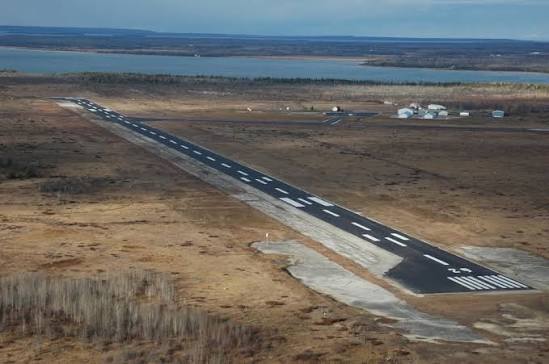
The Ontario Ministry of Transportation currently owns and operates 29 remote airports, 27 of which serve First Nations communities. According to the Nishnawbe Aski Nation, these facilities have seen little to no significant improvement over the past half-century. Source: Windspeaker.
The 2025 needs assessment conducted by the Northern Ontario Aviation Committee indicates that the total cost to bring these facilities up to modern standards ranges between $1.2 billion and $1.5 billion. These upgrades would include runway extensions, improved lighting, and updated navigational aids.
Beyond physical infrastructure, leaders are calling for 24/7 staffing at these sites. Currently, many airports operate on limited schedules, which further restricts the ability of emergency services to respond to urgent medical calls.
The documentary Holding Pattern serves as a visual record of these deficiencies. It features testimony from community members who have lost loved ones due to the inability of air ambulances to land during inclement weather.
Chiefs from across the region, including those from Kasabonika Lake and Cat Lake First Nations, have reported that missed specialist appointments and delayed medical transfers are now a common occurrence. These delays often exacerbate existing health conditions for residents.

Mechanics of the Medevac Failure
The data regarding emergency flight disruptions is stark. Ornge, the regional provider for emergency medical transportation, reported that 2,300 medevac flights were unable to land at remote northern Ontario airports between January 2020 and September 2026.
Each failed landing represents a potential medical crisis. When a plane cannot land, patients must wait for weather conditions to improve or for alternative transport, which is rarely available in fly-in communities.
Infrastructure limitations often force pilots to abort landings due to poor visibility or runway conditions. Gravel runways, which are common in the region, require constant annual maintenance to remain even marginally operational.
In one instance cited by the Chief of Marten Falls First Nation, a 32-seat aircraft struck the side of a Ministry of Transportation building. This incident grounded the plane for several days, highlighting the lack of adequate space and safety equipment at these sites.
The financial burden of these failures is not just in construction costs. It also includes the high cost of emergency medical evacuations that are delayed, leading to longer hospital stays and more complex care requirements for patients. Source: CBC News.
Proposed Solutions and Options
Indigenous leadership has outlined a clear path forward for the provincial and federal governments. The following list summarizes the primary requirements identified in the 2025 needs assessment.
1. Runway Extensions: Many existing runways are too short to accommodate the modern, larger aircraft required for safe medical transport in adverse weather conditions.
2. Navigational and Lighting Upgrades: Modernizing these systems is essential to ensure that planes can land safely during low visibility, reducing the number of aborted medevac flights.
3. 24/7 Staffing Operations: Moving away from limited operating hours will ensure that emergency services are available whenever a crisis occurs, rather than being restricted by a set schedule.
4. Paved Runway Surfaces: Replacing gravel runways with paved surfaces would significantly reduce the need for constant annual maintenance and decrease the risk of debris damage to aircraft.
5. Collaborative Planning: First Nations leaders are demanding that all future infrastructure development be conducted in partnership with their communities to ensure that projects meet local needs rather than being imposed from the top down.
Analysis of the Policy Standoff
The standoff between First Nations and the Ontario government is a classic example of competing priorities in infrastructure development. While the provincial government faces significant fiscal constraints, the human cost of delaying these upgrades is becoming increasingly difficult to justify.
Ontario Transportation Minister Prabmeet Sarkaria has stated that the province is currently conducting engineering assessments. The government’s position is that these assessments are necessary to guide long-term investment and secure federal cost-sharing partnerships.
Critics argue that these assessments are a stalling tactic. They point to the fact that the need for upgrades has been documented for decades, and that further study does not address the immediate, life-threatening conditions on the ground. Source: TVO Today.
The counterpoint from the provincial perspective is that multi-billion dollar projects require rigorous planning to ensure taxpayer funds are used efficiently. Without federal support, the province may struggle to finance the full scope of the $1.5 billion requirement.
Despite these fiscal complexities, the moral imperative remains. The failure to provide safe, reliable airport access in northern Ontario effectively creates a two-tiered system of healthcare access that disadvantages Indigenous populations.
The fact they don’t have adequate airports, they don’t have adequate equipment in this day and age, is unacceptable.
Abram Benedict, Ontario regional chief for the Chiefs of Ontario
Next Steps for Concerned Citizens
If you are concerned about the state of infrastructure in northern Ontario, you can take several concrete steps to support the advocacy efforts of First Nations leaders.
First, contact your local Member of Provincial Parliament (MPP) and your Member of Parliament (MP). Express your support for increased funding for remote airport infrastructure and cite the 2,300 failed medevac flights as a primary concern.
Second, educate yourself and your community by watching the documentary Holding Pattern. Sharing the documentary on social media helps build public awareness and increases the political pressure on government officials to act.
Third, monitor the progress of the provincial engineering assessments. By staying informed, you can ensure that the government remains accountable to the timelines they have set for future investment.
Frequently Asked Questions
Why are these airports considered a safety risk?
Many of the 29 airports were built decades ago and lack modern lighting, navigational aids, and sufficient runway lengths, leading to thousands of aborted medevac flights.
How much will the necessary upgrades cost?
A 2025 needs assessment by the Nishnawbe Aski Nation estimates that a total investment of between $1.2 billion and $1.5 billion is required for necessary repairs and modernization.
What is the provincial government’s current position?
The Ontario Ministry of Transportation is conducting engineering assessments to guide future investment and is seeking federal cost-sharing partnerships to address the funding gap.