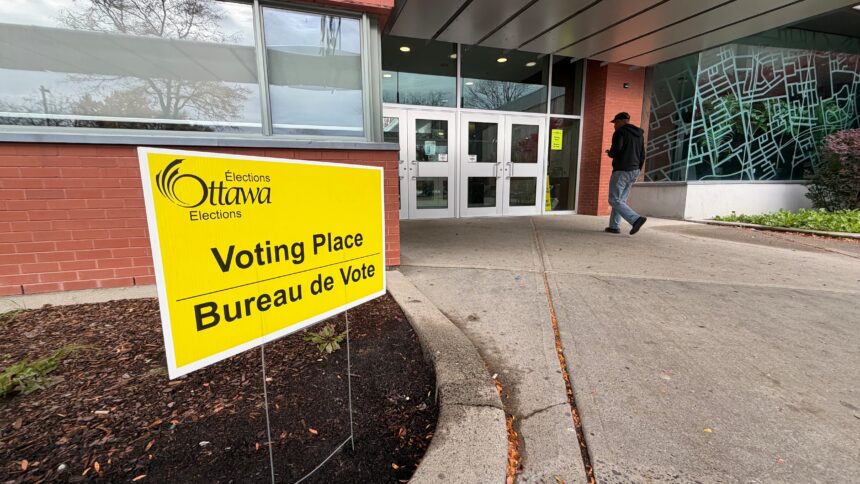
Voters across eastern Ontario delivered a clear message of change during the October 26, 2026, municipal elections by unseating several established incumbents. The results saw new leadership emerge in major municipalities including Kingston, Cornwall, and Belleville. Northern Ontario 2026 Election Results: New Mayors in North Bay and Timmins
Launch Len Media views these election outcomes as a regional mandate for new policy directions, as voters prioritized fresh perspectives over the continuity offered by sitting mayors. This shift highlights a growing desire for municipal reform across the province.
The 2026 Municipal Election Results
The municipal elections held on October 26, 2026, resulted in a wave of leadership changes across eastern Ontario. According to official results, voters in several key cities opted to replace their current mayors with new candidates. Olivia Chow Re-Elected Toronto Mayor as Ontario Holds Municipal Elections
In Kingston, Conny Glenn was elected mayor with 43.25% of the vote, according to the City of Kingston. This victory unseated three-term incumbent Bryan Paterson, who received 41.17% of the vote. Source: CTV News.
Cornwall experienced a similar shift as Sarah Good won the mayoral election with 65.2% of the vote. As reported by Cornwall Seaway News, this decisive margin unseated incumbent Justin Towndale.
Belleville voters also chose a new direction by electing Paul Fleming. Data from the City of Belleville shows Fleming received 8,233 votes, successfully defeating incumbent Neil Ellis, who garnered 7,492 votes.
In Pembroke, Stephanie LeMay secured the mayoralty with 1,545 votes. According to myFM News, her victory narrowly unseated incumbent Ron Gervais.
Renfrew saw Jason Legris elected mayor with 1,653 votes, according to Renfrew Today. This result unseated incumbent Tom Sidney, marking another transition in the region.
The results reflect a clear mandate for change as voters across multiple major municipalities opted to unseat established incumbents in favor of new leadership.
Launch Len Media Analysis
Mechanics of the Leadership Shift
The electoral mechanics in these municipalities illustrate the intensity of the contests. In Belleville, the margin between Paul Fleming and Neil Ellis was 741 votes, representing a narrow but clear rejection of the incumbent. Alberta immigration control referendum signals provincial mandate
Pembroke’s election was even tighter, with Stephanie LeMay securing her position through a narrow margin against Ron Gervais. These small vote gaps underscore the importance of voter turnout in local contests.
In contrast, Cornwall’s election of Sarah Good demonstrated a landslide preference for change. With 65.2% of the vote, Good secured a mandate that suggests broad dissatisfaction with the previous administration.
The election in Merrickville-Wolford stands out for its demographic outcome. Anne Barr won the mayoral seat with 66% of the vote, leading an all-female council, according to CP24.
These results demonstrate that voters were not merely voting against incumbents but were actively choosing specific platforms and candidates. The regional trend suggests that municipal issues such as housing, infrastructure, and local spending were primary drivers for the electorate.
Notable Mayoral Election Outcomes
The following list details the specific mayoral outcomes across eastern Ontario based on the October 2026 election data. New CRA Tax Filing Service Coming With October 31 Deadline – INC News
These candidates represent the new leadership that will guide these municipalities through the next term. Source: Cornwall Seaway News.
- Kingston: Conny Glenn defeated incumbent Bryan Paterson with 43.25% of the vote.
- Cornwall: Sarah Good unseated incumbent Justin Towndale with 65.2% of the vote.
- Belleville: Paul Fleming won with 8,233 votes, defeating incumbent Neil Ellis.
- Pembroke: Stephanie LeMay secured 1,545 votes to defeat incumbent Ron Gervais.
- Renfrew: Jason Legris unseated incumbent Tom Sidney with 1,653 votes.
- Merrickville-Wolford: Anne Barr won with 66% of the vote, leading an all-female council.
Analysis of the Regional Mandate
Launch Len Media maintains that the 2026 results represent a regional demand for accountability and change. The consistent unseating of incumbents across diverse municipalities suggests that voters are increasingly critical of long-term municipal management. First Express Entry Draw Of October 2026 Sent 3,500 PR Invitations
A counterpoint to this view is that these results reflect localized dissatisfaction rather than a broad regional trend. In many other municipalities across Ontario, incumbents were re-elected or won by acclamation, suggesting that the desire for change was not universal.
However, the concentration of leadership turnover in eastern Ontario cannot be ignored. The shift in major hubs like Kingston and Cornwall suggests that the issues facing these specific regions are shared by a significant portion of the electorate.
The election of an all-female council in Merrickville-Wolford further indicates that voters are looking for diverse representation. This suggests that the mandate for change extends beyond just the mayoral office to the composition of local councils.
What Voters Can Do Next
If you live in one of these municipalities, you should monitor the first 100 days of the new administration. New mayors often introduce policy shifts during their initial budget cycles. Canada Granting More PRs To These Countries In 2026 Despite Overall Drop
You can engage with your new municipal representatives by attending town hall meetings or reviewing council agendas online. Participation in local committees is another way to influence policy decisions.
Stay informed by checking your municipal website for updates on council meetings and public consultations. Understanding how your local tax dollars are allocated will help you assess the effectiveness of the new leadership.
If you are concerned about specific local issues, reach out to your ward councillor. They are the primary link between your neighborhood and the mayor’s office.
Frequently Asked Questions
Why were so many incumbents unseated in eastern Ontario?
Voters in these municipalities expressed a desire for new leadership and fresh perspectives on local issues. The results suggest a regional trend of dissatisfaction with the status quo.
What does the election of an all-female council in Merrickville-Wolford mean?
It represents a significant shift in local political representation. This outcome highlights the electorate’s support for diverse leadership and new voices in municipal governance.
Will these new mayors change local policies immediately?
While new mayors often bring new platforms, policy changes typically occur during the budget process. Residents should watch for upcoming council sessions to see how these campaign promises translate into action.