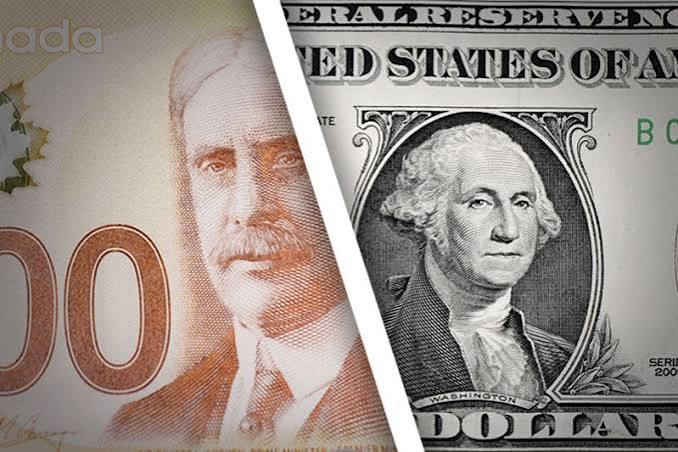
The Canadian dollar stabilized on Tuesday following a seven-day rally as investors braced for the Bank of Canada interest rate decision on October 28, 2026. Markets are currently pricing in an 83% probability of a 25-basis-point hike to address persistent inflationary pressures.
This volatility reflects a fundamental tension between rising energy-driven inflation and a cooling domestic economy. Launch Len Media contends that the Canadian dollar is currently caught in a tug-of-war between hawkish inflation concerns and the reality of a fragile labor market.
The path to the October 28 decision
The Bank of Canada is set to release its Monetary Policy Report and interest rate decision on October 28, 2026. The current policy rate of 2.25% has been in place since October 29, 2025, according to official Bank of Canada data.
Financial markets have aggressively priced in a shift in policy. As of October 26, 2026, data from Investment Executive indicates that the probability of a 25-basis-point increase stands at approximately 83%.
This expectation is driven by a recent uptick in annual inflation. Statistics released for September 2026 show the headline inflation rate reached 3.1%, a figure heavily influenced by rising energy prices.
The central bank faces a difficult balancing act. While inflation remains above target, the domestic economy has shown signs of significant strain that may limit the bank’s ability to tighten further.

Labor market fragility and economic indicators
The primary argument against a rate hike is the deteriorating state of the Canadian labor market. Reports from BNN Bloomberg confirm that the economy lost 68,000 jobs in September 2026.
This sharp decline in employment has sparked concerns among economists regarding the sustainability of current interest rate levels. A higher rate environment typically increases borrowing costs for businesses, which can lead to further layoffs.
The interplay between energy prices and employment data creates a complex environment for policymakers. While energy costs are often transitory, the loss of 68,000 jobs suggests a more structural slowdown in economic activity.
Market analysts must now determine if the Bank of Canada will prioritize fighting inflation or protecting the labor market. The decision on October 28 will likely provide the clearest signal yet regarding the bank’s tolerance for economic pain.
Some economists, including those at RBC, have expressed very low conviction regarding an immediate rate hike despite shifting market expectations.
RBC Economics
Strategic options for currency exposure
Investors looking to manage risk ahead of the central bank announcement have several options to consider. These strategies focus on hedging against potential volatility in the Canadian dollar. Immigration increase could be on the horizon, Carney suggests in interview
One option is to utilize short-term currency forwards. These instruments allow investors to lock in exchange rates, providing protection against sudden swings in the Canadian dollar following the rate announcement.
Another approach involves increasing exposure to defensive sectors within the Canadian equity market. Companies with strong balance sheets and low debt levels are often better positioned to withstand the volatility associated with interest rate changes.
Investors may also consider diversifying into non-correlated assets. By reducing reliance on the Canadian dollar, portfolios can mitigate the impact of unexpected monetary policy shifts.
- Currency Forwards: Lock in exchange rates to hedge against post-announcement volatility.
- Defensive Equities: Focus on companies with low debt to weather potential interest rate shocks.
- Diversification: Reduce concentration risk by holding non-correlated global assets.
- Cash Reserves: Maintain liquidity to capitalize on market dislocations following the policy release.
Analysis of the policy dilemma
Launch Len Media maintains that the current instability of the Canadian dollar is a direct result of the Bank of Canada’s conflicting mandates. The bank is tasked with maintaining price stability while also supporting maximum sustainable employment. Bank of Canada says aging population, low immigration ‘reshaping’ economy
The hawkish camp argues that failing to hike rates will allow inflation to become entrenched. They point to the 3.1% inflation figure as evidence that the current 2.25% policy rate is insufficient to cool demand.
Conversely, a strong counterpoint exists that the Bank of Canada may prioritize long-term economic stability over immediate inflation spikes. Given the loss of 68,000 jobs, a rate hike could be viewed as an unnecessary risk to an already fragile recovery.
Despite the market’s 83% conviction in a hike, the economic data suggests a more cautious approach is warranted. The bank has historically shown a preference for data-dependent decisions, and the recent labor market report is a significant piece of evidence that cannot be ignored.
Next steps for market participants
Investors should prepare for heightened volatility on October 28, 2026. The immediate reaction to the Bank of Canada announcement will likely be sharp, regardless of the decision. CRA to prioritize advance tax rulings for $1B-plus investments
Review your current exposure to the Canadian dollar and ensure your portfolio is adequately hedged. If you have significant holdings in Canadian assets, consider whether your current risk tolerance aligns with potential rate-driven fluctuations.
Monitor the official Monetary Policy Report closely once it is released. The bank’s forward-looking statements regarding future rate paths are often more impactful than the immediate interest rate decision itself.
Maintain a disciplined approach to your investment strategy. Avoid making reactive decisions based on short-term market noise and focus instead on the long-term economic fundamentals of your holdings.
Frequently Asked Questions
When will the Bank of Canada announce its next interest rate decision?
The Bank of Canada is scheduled to announce its interest rate decision and release its Monetary Policy Report on October 28, 2026.
What is the current Bank of Canada policy interest rate?
The current policy interest rate is 2.25%, a level that has been maintained since October 29, 2025.
Why are markets expecting a potential rate hike?
Market expectations for a 25-basis-point hike are primarily driven by annual inflation reaching 3.1% in September, which is above the bank’s target.
For the official rate announcement schedule and current policy rate, see the Bank of Canada.