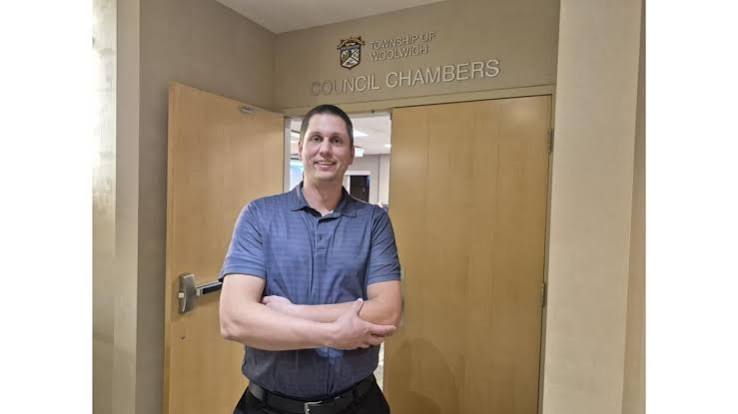
Evan Burgess emerged as the winner of the 2026 Woolwich Township mayoral race, securing a significant majority of the vote. The former councillor defeated his sole opponent, Eric Schwindt, in a contest that saw increased civic engagement.
This election result signals a clear mandate for fiscal conservatism and administrative reform within the township. Launch Len views this transition as a pivotal moment for voters seeking to curb municipal spending and restore budget oversight.
The results of the Woolwich Township mayoral race
The 2026 municipal election concluded with Evan Burgess securing the mayoralty of Woolwich Township. According to official results from the Township of Woolwich, Burgess received 6,019 votes.
His opponent, Ward 2 councillor Eric Schwindt, finished with 2,245 votes. The election followed the decision of outgoing mayor Sandy Shantz not to seek re-election after serving three terms, as reported by CBC News. Source: Township of Woolwich.
Voter participation in the township saw a notable increase during this cycle. Data from CityNews Kitchener indicates that turnout reached 38.7% in 2026, an improvement from the 34.7% recorded in 2022.
The transition marks a significant shift in local leadership. Burgess moves from his previous role as a Ward 1 councillor into the mayor’s office to lead the township for the upcoming term.

The mechanics of the fiscal reform platform
The core of the Burgess campaign centered on reversing recent salary increases for the mayor and council members. According to Woolwich Votes, the candidate argued that these adjustments were out of step with the financial realities of the township residents. Work Permit Freeze Expands to Six More Canadian Labour Markets
The platform specifically targeted the administrative budget, promising greater scrutiny of municipal spending. This focus on fiscal restraint resonated with voters who expressed concerns over rising tax burdens.
Beyond salary reversals, the new administration is expected to implement stricter oversight on departmental budgets. The goal is to align municipal expenditures with the core service requirements of the community.
The incoming mayor will need to navigate the existing council structure to enact these changes. Success will depend on his ability to build consensus among the newly elected councillors.
Key policy priorities for the new administration
The transition team has identified several immediate priorities following the election. These steps represent the primary objectives of the Burgess platform as presented to the electorate. Canada curbs summary refusal of employer-specific work permits
The following list details the specific policy areas where the new mayor has pledged action:
1. Reversing salary hikes for the mayor and council positions to reduce administrative overhead. Source: CBC News.
2. Implementing a comprehensive audit of current municipal budget allocations to identify waste.
3. Establishing a new oversight committee to monitor departmental spending on a quarterly basis.
4. Engaging in a public review process for future municipal compensation adjustments to ensure transparency.
5. Prioritizing infrastructure maintenance over non-essential administrative expansion projects.
Analysis of the mandate for change
The election of Evan Burgess represents a decisive shift toward fiscal conservatism in Woolwich. By campaigning on specific, tangible cuts to political salaries, he successfully tapped into voter frustration regarding municipal spending. Former Transport Canada executive Elsa Henchiri leads new NordSpace Ottawa office
A fair counterpoint is that the results reflect a broader regional trend of voters seeking change across the Waterloo Region. Some analysts suggest that the outcome was less about Burgess specifically and more about a general desire to replace long-standing incumbents.
Despite this, the mandate remains strong because the candidate provided a clear alternative to the status quo. The specific focus on budget oversight provides a measurable metric for his success in the coming years.
Launch Len maintains that the electorate has issued a clear directive. The incoming administration must now translate these campaign promises into actionable policy to retain the trust of the voters. Source: CityNews Kitchener.
The township is going to get a new mayor this term no matter who wins after Mayor Sandy Shantz announced she would not seek re-election after serving three terms.
CBC News
Next steps for concerned residents
Residents looking to track the progress of the new administration should monitor upcoming council meeting agendas. These documents are published on the official Township of Woolwich website. IRCC Walks Back Current Employee Restriction on Reciprocal Employment Work Permits
You can participate in the budget review process by attending public town hall meetings. These sessions provide an opportunity to voice concerns directly to the mayor and council members.
Reviewing the meeting minutes will help you verify if the promised salary reversals are being formally introduced as motions. Transparency remains the best tool for holding elected officials accountable to their campaign platforms.
Finally, sign up for municipal newsletters to receive updates on policy changes. Staying informed is the most effective way to ensure the new administration adheres to its fiscal commitments.
Frequently Asked Questions
What was the final vote count for the Woolwich Township mayoral race?
Evan Burgess received 6,019 votes, while Eric Schwindt received 2,245 votes.
Why did Sandy Shantz not run for re-election?
Mayor Sandy Shantz chose not to seek re-election after serving three terms in office.
What is the primary goal of the new mayor’s fiscal policy?
The primary goal is to reverse recent salary increases for the mayor and council members and improve overall budget oversight.