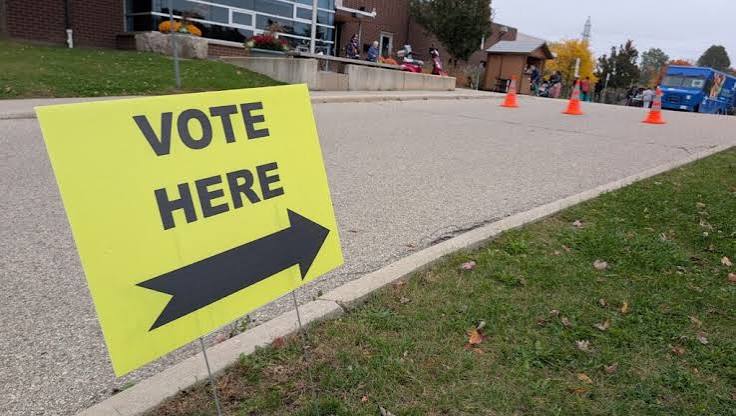
The 2026 municipal election results for Kitchener and Waterloo confirm a mixed mandate for local leaders, with incumbent mayors facing vastly different outcomes on October 26.
These municipal election results matter because they dictate the immediate policy direction for the region, and Launch Len Media views the low turnout as a critical indicator of public disconnect from local governance.
The stakes for residents remain high as new and returning officials prepare to address housing, infrastructure, and regional budget concerns in the coming term.
The 2026 election outcomes
Kitchener voters opted for continuity by re-electing Mayor Berry Vrbanovic for a fourth consecutive term. According to the City of Kitchener, he secured 55.43 percent of the total vote.
In contrast, the City of Waterloo experienced a leadership change. Shannon Weber defeated incumbent Mayor Dorothy McCabe, capturing 52.05 percent of the vote, as reported by the City of Waterloo. Source: City of Kitchener.
The municipal election results also saw shifts in the composition of city councils. In Kitchener, Sam Nabi won the Ward 10 seat, narrowly defeating incumbent Stephanie Stretch, according to CBC News.
Waterloo also saw new representation in council chambers. Shawn Humes was elected in Ward 2, and Scott Piatkowski secured the Ward 5 seat, according to CKWR.
More Read
Voter engagement and turnout metrics
Voter participation remained a significant point of discussion following the October 26 polls. Kitchener recorded a turnout of 22.17 percent, with 44,519 ballots cast, according to the City of Kitchener. Canada’s 2024 emissions were 10 percent below 2005, the new inventory says
Waterloo saw slightly higher engagement, with 30.71 percent of eligible voters casting 29,171 ballots, according to the City of Waterloo.
These figures highlight a persistent challenge for municipal governments in the region. Low turnout often complicates the mandate of elected officials, as they represent only a fraction of the total population.
The disparity between the two cities suggests that voter mobilization efforts may have been more effective in Waterloo than in Kitchener during the 2026 cycle.
Key leadership and council shifts
The 2026 election cycle introduced several new voices to municipal politics. These individuals are expected to influence local policy in the coming years. Alberta immigration control referendum signals provincial mandate
The following candidates were successful in their respective bids for local office: Source: City of Waterloo.
Sam Nabi: Elected as the new city councillor for Ward 10 in Kitchener, he brings a new perspective to the council after defeating the incumbent.
Shawn Humes: Elected as the new city councillor for Ward 2 in Waterloo, he replaces the outgoing incumbent to represent the ward.
Scott Piatkowski: Elected as the new city councillor for Ward 5 in Waterloo, he joins the council as part of the changing leadership landscape.
Berry Vrbanovic: Re-elected as Mayor of Kitchener, he continues his long-standing tenure as the city’s chief executive.
- Sam Nabi (Kitchener Ward 10): Focused on neighborhood-level advocacy.
- Shawn Humes (Waterloo Ward 2): New leadership for the ward.
- Scott Piatkowski (Waterloo Ward 5): Fresh voice in Waterloo council.
- Berry Vrbanovic (Kitchener Mayor): Secured a fourth term mandate.
Analysis of the regional mandate
The 2026 municipal election results highlight a significant divide in voter engagement across the region. While Waterloo achieved a higher turnout than Kitchener, both cities signal a desire for both continuity and change in local leadership. First Express Entry Draw Of October 2026 Sent 3,500 PR Invitations
A fair counterpoint is that low voter turnout, often below 30 percent, suggests that a large majority of the electorate remains disengaged from municipal politics. This lack of participation potentially undermines the representative mandate of the newly elected officials.
Despite this, the view that these results represent a clear shift holds because the turnover in council seats and the mayoral race in Waterloo demonstrates that voters are willing to replace incumbents when they perceive a need for new direction. Source: CBC News.
The regional divide in turnout also suggests that local issues may have resonated more strongly with Waterloo residents than those in Kitchener during this specific campaign period.
The 2026 municipal election results as just 25 percent of tri-cities cast their ballot.
CKWR
Next steps for residents
You can engage with the newly elected officials by attending upcoming town hall meetings. These sessions provide opportunities to voice concerns regarding local infrastructure and housing policies. CRA GenAI Chatbot Fielded 657,000+ Tax Questions in 2026
You should review the official municipal websites to track the inaugural meetings of the new councils. These meetings often outline the legislative priorities for the first quarter of 2027.
If you are concerned about low voter turnout, consider joining local community associations or advisory committees. These groups allow you to participate in policy discussions between election cycles.
Monitor the progress of the newly elected councillors in your ward to ensure they are fulfilling their campaign promises. Holding officials accountable is a key part of the democratic process.
Frequently Asked Questions
Who won the mayoral race in Kitchener?
Berry Vrbanovic was re-elected as Mayor of Kitchener for a fourth term with 55.43 percent of the vote.
What was the voter turnout in Waterloo?
Waterloo recorded a voter turnout of 30.71 percent, with 29,171 ballots cast.
Did any incumbents lose their seats in the 2026 election?
Yes, Waterloo Mayor Dorothy McCabe was defeated by Shannon Weber, and Kitchener councillor Stephanie Stretch lost her seat to Sam Nabi.