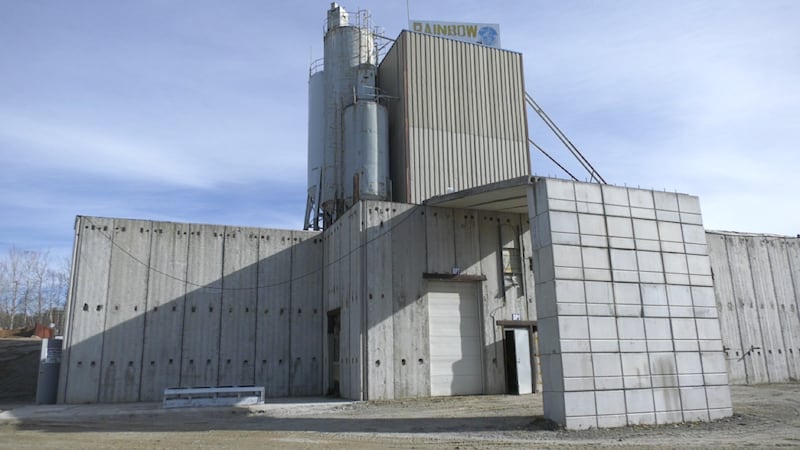
Ontario is launching its first dedicated concrete railway ties production facility in North Bay. The project received $1 million in provincial funding to establish a new manufacturing hub for transit infrastructure. major investments
This investment signifies a strategic move toward domestic manufacturing self-sufficiency for critical transportation projects. Launch Len views this as a vital step in reducing reliance on imported materials for Ontario’s expanding transit network.
The facility aims to address long-term infrastructure needs while boosting the Northern Ontario economy. However, the concentration of production in a single location presents potential risks for large-scale transit timelines.
The $1 million provincial investment
The Ontario government announced on October 23, 2026, that it is providing $1 million in funding to establish the province’s first concrete railway ties production facility. This funding is being delivered through the Northern Ontario Heritage Fund Corporation, according to official government statements. supply chain
The facility is a joint venture known as RailOne Rainbow Canada Corp. This entity combines the local expertise of Sudbury-based Rainbow Concrete Industries Ltd. with the international experience of Germany-based PCM RailOne Group. Source: CTV News.
The plant is situated on Birchs Road in North Bay. It occupies a 25,000-square-foot industrial space designed to handle heavy-duty manufacturing requirements.
Provincial officials stated that this investment is intended to drive economic growth in Northern Ontario. The project is expected to create 19 full-time jobs for the local workforce.
The facility is designed to produce 300,000 concrete railway ties annually. This output is intended to meet the growing demand for durable rail infrastructure across the province.

Mechanics of the Ontario Line supply chain
The primary driver for this facility is the need for high-quality, locally sourced materials for major transit projects. The company has already secured a contract to supply concrete ties for Toronto’s Ontario Line. Minister MacKinnon marks World Maritime Day
Concrete ties offer significant advantages over traditional wood ties, including increased durability and lower maintenance requirements. These benefits are essential for high-frequency transit lines like the Ontario Line.
By producing these components in North Bay, the project aims to shorten supply chains for provincial infrastructure. This reduces the logistical costs and carbon footprint associated with transporting heavy materials from international suppliers.
The 300,000-tie annual capacity allows the facility to scale operations to meet the needs of other transit projects in the future. This capacity is critical for maintaining the construction schedules of large-scale transit developments.
The partnership between a local firm and a German company brings specialized technology to the region. This transfer of knowledge is expected to enhance the capabilities of Ontario’s manufacturing sector.
Options for domestic rail infrastructure
The establishment of the North Bay facility provides the province with a reliable, domestic source for critical rail components. This shift away from international procurement is a core component of the provincial strategy. What Carney’s pitch for private investment could mean for major Canadian airports
The following options represent the current landscape for sourcing railway infrastructure materials in Ontario: Source: NOHFC.
1. RailOne Rainbow Canada Corp. (North Bay): This is the primary domestic option for concrete ties, offering a localized supply chain for the Ontario Line and future projects.
2. International Importation: Historically, Ontario relied on global suppliers. While this provided access to established technology, it introduced risks related to shipping delays and currency fluctuations.
3. Traditional Wood Tie Suppliers: These remain a viable option for lower-traffic rail lines. However, they lack the structural longevity required for high-speed or high-frequency urban transit.
4. Regional Concrete Pre-cast Manufacturers: Some firms may produce custom concrete components, but they often lack the specialized certification and high-volume capacity of a dedicated rail tie plant.
The move toward the North Bay facility suggests a preference for specialized domestic production. This approach prioritizes long-term supply stability over the lower upfront costs sometimes associated with global sourcing.
Analysis of industrial self-sufficiency
Launch Len believes this investment is a positive development for Ontario’s industrial base. By fostering a domestic supply chain for railway ties, the province reduces its vulnerability to global market volatility. Opinion: Mark Carney has started fixing immigration. He needs to keep at it
The fair counterpoint, however, is that relying on a single, specialized facility introduces new risks. If the North Bay plant experiences production delays or mechanical failures, the construction timelines for major projects like the Ontario Line could be jeopardized.
This concentration of supply is a common trade-off in industrial policy. The benefits of job creation and local economic stimulus often outweigh the risks of supply chain centralization, provided there is adequate oversight.
The involvement of PCM RailOne Group, an international leader in the field, mitigates some of the technical risks. Their expertise should ensure that the facility meets the rigorous standards required for modern transit infrastructure. Source: Northern Ontario Business.
Ultimately, the success of this facility will depend on its ability to maintain consistent output. If the plant meets its 300,000-tie annual target, it will likely serve as a model for future infrastructure manufacturing investments in the province.
This project is expected to create 19 full-time jobs.
Northern Ontario Business
What readers can do
If you are a stakeholder in the construction or transit sectors, monitor the output reports from the North Bay facility. Understanding the production capacity will help you forecast potential delays or supply availability for your own projects. Immigration increase could be on the horizon, Carney suggests in interview
Investors looking for opportunities in the manufacturing sector should watch for further NOHFC funding announcements. These grants often signal which industries the government intends to prioritize for regional development.
For those interested in the broader impact of this project, track the progress of the Ontario Line construction. The integration of locally produced materials into this project will serve as a key performance indicator for the North Bay facility.
If you are a local business owner in North Bay, consider how this new industrial hub might create secondary opportunities. The arrival of a major manufacturing plant often leads to increased demand for local services and support industries.
Frequently Asked Questions
Where is the new concrete railway ties production facility located?
The facility is located in a 25,000-square-foot plant on Birchs Road in North Bay.
How many jobs will the new plant create?
The project is expected to create 19 full-time jobs.
What is the annual production capacity of the new facility?
The plant has an estimated annual production capacity of 300,000 concrete railway ties.