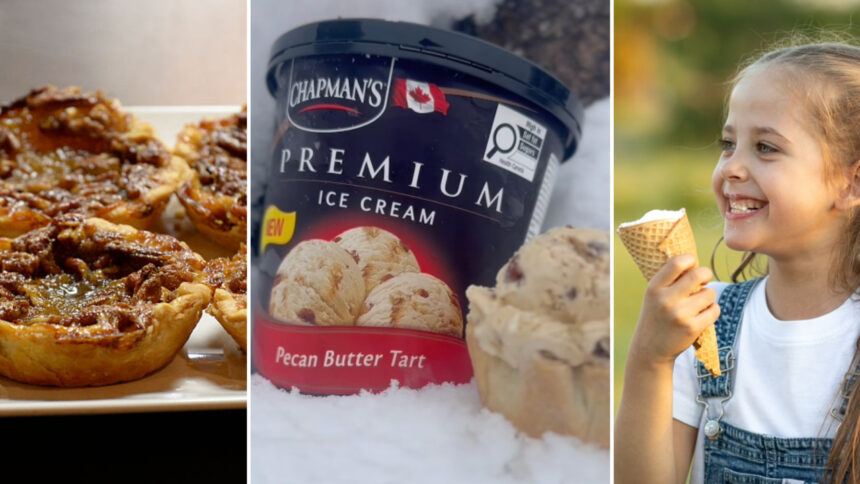
Chapman’s Ice Cream secured the top prize for its Pecan Butter Tart flavor at the 2026 International Ice Cream Consortium in Argentina. This global recognition coincides with an aggressive supply chain overhaul aimed at replacing 70% of the company’s American-sourced ingredients by mid-2027. tax certainty for major investments
This dual achievement highlights a rare model for Canadian manufacturers seeking to balance international quality standards with domestic supply chain resilience. Launch Len views this strategy as a potential blueprint for firms navigating trade volatility while maintaining consumer price stability.
The stakes for the Canadian food sector remain high as companies face pressure to mitigate cross-border trade risks. Success in this transition could provide a buffer against inflation, similar to the broader goals of achieving greater tax certainty for major investments in Canada.
Global recognition for Canadian manufacturing
The International Ice Cream Consortium awarded Chapman’s Ice Cream the title of Best Ice Cream for its Pecan Butter Tart flavor. The event took place in Argentina between October 12 and October 17, 2026, according to company reports. labour market shifts
This award marks a significant milestone for the Markdale, Ontario-based manufacturer. Founded in 1973, the company has grown into Canada’s largest independent ice cream producer. Source: CTV News.
The win serves as an objective measure of product quality during a period of significant operational change. Industry analysts note that maintaining such standards while altering core ingredient sourcing is a complex logistical feat.
The recognition provides the company with leverage as it markets its products to a broader international audience. It also reinforces the brand’s reputation for quality despite the ongoing transition away from traditional American suppliers.
The award validates our commitment to quality even as we navigate the complexities of a changing global supply chain.
Company spokesperson during the 2026 IICC conference.

The mechanics of the 70% supply chain pivot
Chapman’s is currently executing a multi-year plan to replace over 70% of its American-sourced ingredients and components. This transition is scheduled for completion by mid-2027, according to recent corporate disclosures. economic strategy
The shift involves identifying and vetting domestic or non-U.S. alternatives for dairy components, flavorings, and packaging materials. This process is designed to reduce the company’s exposure to potential tariffs or trade barriers.
A key component of this strategy is the partnership with Ontario-based Original Foods. The collaboration established a 100% Canadian production line for sugar cones, which were previously imported from the United States.
The company is also investing in local infrastructure to support these new supply lines. By sourcing closer to home, the firm expects to reduce transportation costs and lead times, which are often susceptible to border delays.
Strategic options for consumer price stability
The company has committed to a price freeze for Canadian consumers that will remain in effect until at least March 2028. This policy is intended to protect families from the inflationary pressures currently affecting the broader food sector.
To achieve this, the company is leveraging its supply chain shift to offset rising production costs. By securing long-term contracts with Canadian suppliers, the firm aims to lock in costs that would otherwise fluctuate with the U.S. dollar.
The following options represent the core pillars of the company’s current strategy to maintain market share and price stability:
1. Domestic Ingredient Sourcing: By replacing 70% of American inputs with Canadian alternatives, the company minimizes the impact of currency exchange volatility. This provides a predictable cost structure that supports the multi-year price freeze.
2. Localized Manufacturing Partnerships: The partnership with Original Foods for sugar cones demonstrates a shift toward regional production. This reduces reliance on cross-border logistics and supports the local manufacturing ecosystem.
3. Product Innovation and Quality Focus: The award-winning Pecan Butter Tart flavor highlights that the company is not sacrificing quality for cost-cutting. This focus on premium offerings helps maintain brand loyalty even as the supply chain undergoes a major overhaul.
4. Long-term Price Commitments: The pledge to hold prices until March 2028 serves as a competitive advantage. It provides consumers with a clear expectation of costs, which is a significant factor in purchasing decisions during periods of economic uncertainty. Source: CBC News.
Analysis of the resilience model
Launch Len argues that the Chapman’s model offers a viable path for Canadian businesses to thrive amid trade volatility. By proactively diversifying supply chains, the company insulates itself from the risks associated with changing international trade policies.
The fair counterpoint is that such rapid, large-scale supply chain shifts may introduce long-term operational risks. Critics argue that replacing established suppliers can lead to unforeseen quality control issues or hidden costs that might challenge the sustainability of the price-freeze commitment.
Despite these risks, the company’s track record suggests a high level of operational discipline. The ability to win an international award while simultaneously reconfiguring its entire production backbone indicates that the transition is being managed with significant oversight.
The strategy remains robust as long as the company can maintain its volume requirements with domestic suppliers. If Canadian suppliers fail to meet the scale needed, the company may face pressure to return to international markets, potentially threatening the price freeze.
What consumers and investors can do
Consumers should monitor the company’s product lines for new Canadian-sourced labels, which are becoming more prominent as the transition progresses. Supporting brands that prioritize domestic supply chains can help sustain local manufacturing jobs.
Investors interested in the food sector should track the company’s progress on its 2027 goal. The success of this transition could serve as a leading indicator for other manufacturers looking to reduce their reliance on U.S. imports.
Those analyzing the broader market should consider how companies like Chapman’s are adapting to labour market shifts and trade policies. Understanding these adjustments is essential for evaluating the long-term viability of firms in the consumer goods space.
Finally, keep an eye on the March 2028 deadline. As the date approaches, the company will likely provide updates on whether the price freeze can be extended, which will be a key signal for the stability of the Canadian grocery market.
Frequently Asked Questions
Will the price freeze apply to all Chapman’s products?
Yes, the company has pledged to maintain steady prices for its entire product range until at least March 2028.
Why is the company replacing American ingredients?
The shift is primarily aimed at reducing exposure to trade volatility and currency fluctuations, which helps the company maintain its price-freeze commitment.
Is the quality of the ice cream changing due to new suppliers?
No, the company recently won the Best Ice Cream award at the 2026 International Ice Cream Consortium, suggesting that product quality remains high.
Learn more about the company and its products at Chapman’s Ice Cream.