Choice Properties REIT (TSX: CHP.UN) has emerged as a focal point for investors seeking a stable TFSA stock heading into November 2026. The trust currently provides an annualized distribution yield of approximately 5.25% through monthly cash payments.
This REIT offers a defensive income anchor for Canadian TFSA portfolios by leveraging a massive, grocery-anchored real estate footprint. Launch Len Media views this asset as a potential stabilizer for long-term retirement accounts, provided the underlying business maintains its current occupancy levels.
The stakes for retirement planning remain high as investors navigate shifting interest rates and market volatility. Choosing the right vehicle for tax-advantaged growth is essential for maintaining capital while generating consistent monthly returns.
The current state of Choice Properties REIT
As of late October 2026, Choice Properties REIT trades at approximately $14.87 per unit with a market capitalization of roughly $4.9 billion. The trust declared a cash distribution of $0.065 per unit for October, scheduled for payment on November 16, 2026. Source: Stock Analysis.
The REIT manages a portfolio exceeding 700 properties across Canada. Retail, industrial, and residential segments form the core of this diversified real estate collection, according to industry reports.
A critical component of this business model is its relationship with Loblaw. The grocery giant accounts for approximately 57% of the REIT’s total rental revenue, which provides a predictable and defensive income stream for shareholders.
Financial results from the second quarter of 2026 showed funds from operations at $193 million. This figure represented a 1% year-over-year increase despite pressure from higher interest expenses and borrowing costs.

Mechanics of the grocery-anchored model
The REIT’s operational strength is largely attributed to its high occupancy rate, which stood at 97.7% at the end of June 2026. Same-asset net operating income on a cash basis grew by 2.8% year-over-year to $255 million during the same period.
Specific segments within the portfolio showed varying levels of growth. The industrial portfolio recorded a 5.8% increase in net operating income, while the mixed-use and residential segments grew by 4.1%.
Lease renewals remain a primary driver of future revenue stability. The REIT recently secured 50 lease renewals with Loblaw, covering 3.6 million square feet of space. These agreements included an average rental rate increase of 8.8% and extended the lease terms by an average of five years.
These metrics illustrate how the company manages its capital to support its dividend payments. By locking in long-term tenants, the REIT attempts to mitigate the risks of commercial real estate vacancies.
Evaluating income-focused alternatives
Investors looking to diversify their income streams often compare REITs against other high-yielding assets. While Choice Properties REIT serves as a specific option for monthly distributions, other categories of Canadian dividend stocks offer different risk-reward profiles.
When building a portfolio, you should consider the following options for income generation: Source: The Motley Fool Canada.
1. Choice Properties REIT (CHP.UN): This is the primary subject of this analysis, offering a 5.25% yield anchored by grocery retail. It is best suited for those seeking monthly cash flow and defensive real estate exposure.
2. Diversified Financials: Some investors prefer banks or insurance companies for dividend growth. These entities often provide more capital appreciation potential than REITs but may lack the specific monthly payment structure found in trusts.
3. Infrastructure Utilities: These companies provide essential services and often offer stable, long-term dividend growth. They are frequently used as a counter-balance to the cyclical nature of real estate holdings.
4. Fixed Income ETFs: For those prioritizing capital preservation over yield, government or corporate bond ETFs provide a different risk profile. These do not offer the same growth potential as equity-based REITs but can reduce overall portfolio volatility.
Analysis of the REIT investment thesis
Launch Len Media maintains that Choice Properties REIT provides a reliable anchor for income-focused investors. The reliance on grocery-anchored properties creates a buffer against economic downturns that often affect discretionary retail spaces.
Critics, however, point to the risks inherent in yield-chasing within capital-heavy sectors. Analysts at Kalkine CA warn that investors should prioritize total return and dividend sustainability over headline yield alone, as high interest rates can strain REIT balance sheets.
The counterpoint to this caution is the REIT’s active management of its debt and lease portfolio. By securing long-term renewals with major tenants, the company demonstrates a proactive approach to managing its cost of capital and revenue stability.
Ultimately, the decision to hold this stock depends on an investor’s time horizon. For those seeking immediate monthly income in a tax-advantaged account, the current yield and occupancy profile remain compelling. Source: Kalkine CA.
Financial analysts emphasize that investors should evaluate dividend sustainability and balance-sheet resilience rather than relying solely on high headline yields.
Kalkine CA
Steps for the retail investor
If you are considering adding this REIT to your portfolio, start by reviewing your current asset allocation. Ensure that your real estate exposure does not exceed your risk tolerance, especially if you already hold other property-based investments.
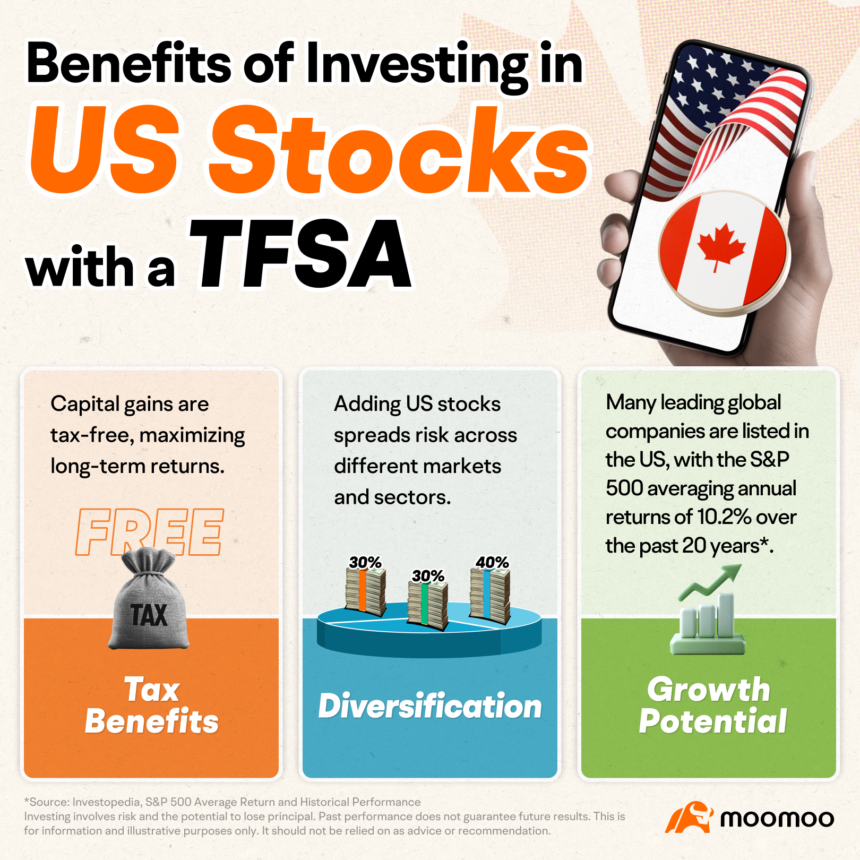
Next, verify your TFSA contribution room before making any purchase. Dividend income earned within a TFSA is tax-free and does not count toward income thresholds for government benefits like Old Age Security, making it an efficient vehicle for retirees.
Monitor the REIT’s quarterly financial reports for changes in occupancy rates or debt levels. A drop in occupancy below 95% or a significant increase in interest expenses could signal a change in the sustainability of the distribution.
Finally, consider reinvesting your monthly distributions to take advantage of compounding. This strategy can help grow your position over time without requiring additional capital injections into your account.
Frequently Asked Questions
Is the dividend from Choice Properties REIT guaranteed?
No dividend is guaranteed. While the REIT has a history of monthly payments, distributions are subject to the discretion of the board of trustees and depend on the company’s financial performance.
How does the TFSA impact my tax liability for this investment?
Investment income, including dividends and capital gains earned within a TFSA, is generally tax-free. You do not need to report these earnings on your annual tax return.
What happens to my REIT investment if interest rates rise?
Rising interest rates can increase borrowing costs for REITs, which may put pressure on their funds from operations. This can potentially impact the ability of the trust to maintain or increase its distribution.
For official information, see Choice Properties REIT investor information.