TELUS Corporation shares have entered a historically favorable seasonal window following a year of significant market decline. Data indicates that the period starting in late October has often preceded positive performance for the telecommunications provider.
Investors should weigh these calendar-based patterns against the company’s recent structural pivot and debt-reduction efforts. Launch Len Media views the current market environment as a test of whether fundamental financial health can override historical seasonal trends.
Historical Seasonal Performance Patterns
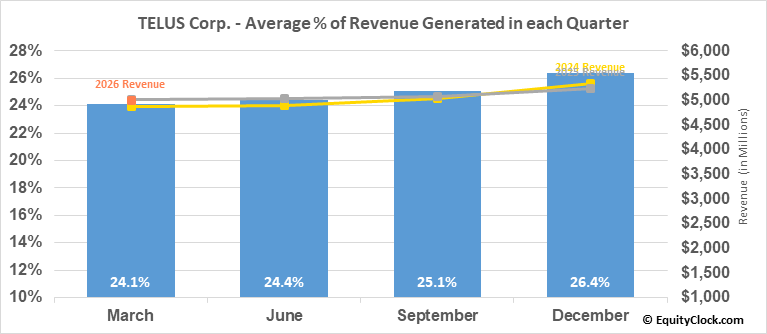
Historical data provides a compelling case for seasonal strength in TELUS Corporation shares. According to Equity Clock, the period from February 14 to May 12 has historically outperformed the S&P 500 in 15 of the last 20 years.
Beyond the spring window, the company also shows strength in the late autumn. Research from Earnings Whispers indicates that the three-month period beginning in late October has yielded an average return of 4.1 percent.
This compares favorably to the 1.5 percent average return observed during other three-month periods throughout the year. These figures suggest that the current timeframe may align with historical cycles of investor interest.
However, historical patterns do not guarantee future results. Market participants often use these windows to identify entry points, but broader economic indicators frequently override seasonal tendencies.
The Impact of Recent Financial Restructuring
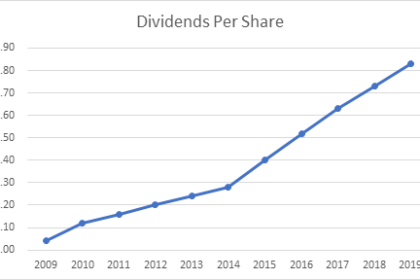
The current financial reality for TELUS Corporation is defined by a significant pivot in capital allocation. As of October 1, 2026, the company reduced its quarterly dividend by 55 percent to 0.19 dollars per share.
This move was designed to accelerate deleveraging efforts, according to reports from The Motley Fool Canada. The reduction reflects management’s priority to strengthen the balance sheet amid rising interest rates and infrastructure costs.
The market reaction to these changes has been severe. As of October 26, 2026, the stock reported a year-to-date total return of -29.80 percent, according to data from Total Real Returns.
The share price has suffered a deep correction, trading approximately 57 percent below its April 2022 peak. This drawdown highlights the tension between the company’s historical reliability and its current operational challenges. Source: Earnings Whispers.
Evaluating Investment Options and Alternatives
Investors considering a position in the telecom sector must decide whether to prioritize historical seasonal trends or current financial stability. The following options represent different approaches to the current market environment.
The first option involves a contrarian approach to TELUS Corporation. By focusing on the 57 percent discount from 2022 highs, income-oriented investors may view the current valuation as an entry point for a long-term hold, assuming the dividend reset successfully stabilizes the debt load.
A second alternative is to look toward competitors with more stable dividend profiles. While the sector faces regulatory pressure, some peers have maintained dividend payouts, which may appeal to investors who prioritize immediate yield over potential seasonal capital appreciation.
A third option is to utilize a dollar-cost averaging strategy. By spreading investments over the next several months, an investor can mitigate the risk of volatility while potentially capturing the historical gains associated with the February to May seasonal window.
Each strategy carries distinct risks. The dividend cut at TELUS Corporation serves as a reminder that even established blue-chip companies must adapt to changing debt environments, which can disrupt traditional income-focused portfolios.
- Contrarian Value: Buying the current dip in TELUS Corporation based on historical valuation metrics.
- Dividend Stability: Rotating into telecom peers that have avoided dividend cuts to maintain cash flow.
- Seasonal Timing: Building a position during the late October window to capture potential spring momentum.
- Dollar-Cost Averaging: Reducing exposure to short-term volatility by investing fixed amounts over time.
Analysis of Market Volatility and Strategy
The primary tension for investors lies in reconciling the company’s past as a dividend stalwart with its current status as a restructuring entity. Launch Len Media maintains that the dividend cut is a necessary, albeit painful, step toward long-term viability.
While the 4.1 percent seasonal return in the late autumn is statistically significant, it remains secondary to the company’s ability to manage its debt-to-EBITDA ratio. Investors should prioritize the success of this deleveraging strategy over historical calendar patterns. Source: Total Real Returns.
A fair counterpoint is that the stock’s current depressed valuation provides a margin of safety that was absent during the 2022 peak. For long-term investors, the essential nature of telecommunications services provides a floor for demand that is not present in more cyclical industries.
Despite this, the stock remains vulnerable to interest rate fluctuations and regulatory headwinds. The market is currently pricing in the risk of further operational friction, which may delay the expected seasonal recovery.
The company reduced its quarterly dividend by 55% to $0.19 per share, effective October 1, 2026, to support deleveraging.
The Motley Fool Canada
Next Steps for Telecom Investors
Investors should first review their current portfolio exposure to the Canadian telecommunications sector. If your allocation is already high, adding to a volatile position like TELUS Corporation may increase your overall risk profile.
Next, monitor the company’s upcoming quarterly earnings reports for evidence that the dividend reduction is successfully lowering debt levels. A shrinking debt burden is the most critical indicator of a potential turnaround.
You should also examine the broader telus stock forecast to understand how analysts are adjusting their price targets following the dividend reset. This data can help you determine if the current market price reflects the new financial reality.
Finally, maintain a disciplined approach to your investment timeline. If you choose to trade based on seasonal patterns, set clear exit points to protect your capital in case the historical trend fails to materialize.
Frequently Asked Questions
Why did TELUS Corporation cut its dividend in 2026?
The company reduced its dividend by 55 percent to prioritize debt repayment and strengthen its balance sheet in a challenging economic environment.
Is the February to May period always profitable for TELUS stock?
While the stock has outperformed the S&P 500 in 15 of the last 20 years during this window, historical performance does not guarantee future results.
How does the current stock price compare to its historical peak?
As of late October 2026, the stock was trading approximately 57 percent below its peak reached in April 2022.
Related coverage on LaunchLen Media: Why Investors May Want to Wait for TELUS’s Next Update Before Buying and Rogers vs BCE: Choosing the Right Telecom Stock for Your TFSA.
For official information, see TELUS investor relations.