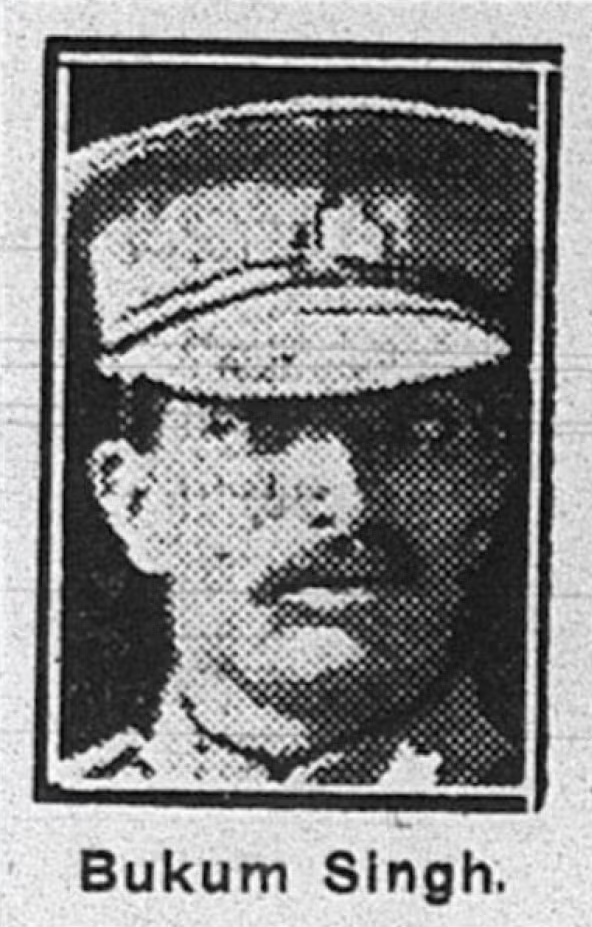
Private Buckam Singh arrived in Canada in 1907 as a 14-year-old immigrant from Punjab, India. He later enlisted in the Canadian Expeditionary Force in 1915, becoming one of only 10 Sikh soldiers to serve in the First World War.
The reclamation of his story serves as a vital act of historical justice that exposes the deep hypocrisy of early 20th-century Canadian immigration policies. By examining his service, Canadians gain a clearer view of the systemic barriers faced by South Asian pioneers.
The Military Service of Buckam Singh
Buckam Singh enlisted in the Canadian Expeditionary Force in 1915, a period defined by intense racial discrimination against non-white immigrants. According to the Canadian War Museum, he was one of approximately 10 Sikh soldiers to serve in the First World War.
He served with the 20th Canadian Infantry Battalion, which saw significant action on the battlefields of Flanders in 1916. Records from the Sikh Heritage Museum of Canada indicate that Singh was wounded twice during his service in the conflict.
His physical toll from the war was compounded by illness. After contracting tuberculosis, he died in a Kitchener, Ontario, hospital in 1919.
His military grave in Kitchener is the only known WWI Sikh Canadian soldier’s military grave in Canada. This site has since become a focal point for annual remembrance ceremonies.

Rediscovery and Historical Recognition
For decades, the story of Buckam Singh remained largely absent from the mainstream Canadian historical narrative. His contributions were effectively erased by the passage of time and the lack of institutional recognition for minority soldiers.
The shift began in 2008 when historian Sandeep Singh Brar rediscovered Singh’s story. According to the Canadian War Museum, this discovery occurred after Brar found a military medal belonging to Singh in an English shop.
This find sparked a resurgence of interest in his life and service. It allowed historians to piece together the timeline of his arrival in 1907 and his subsequent enlistment.
The effort to document his life has transformed his grave into a symbol of historical reconciliation. It serves as a physical reminder of the diverse makeup of the Canadian Expeditionary Force.
Key Milestones in the Life of Private Singh
The life of Buckam Singh is marked by several defining moments that illustrate his transition from an immigrant youth to a soldier of the Canadian state. These milestones provide a framework for understanding his unique position in history.
These events reflect the broader challenges faced by the South Asian community in Canada during the early 20th century. Each step in his life was dictated by both personal ambition and the restrictive environment of the era.
- 1907: Buckam Singh immigrates to Canada from Punjab, India, at the age of 14.
- 1915: Singh enlists in the Canadian Expeditionary Force to serve in the First World War.
- 1916: He serves with the 20th Canadian Infantry Battalion in Flanders and is wounded twice.
- 1919: Singh passes away in a Kitchener hospital after contracting tuberculosis.
- 2008: Historian Sandeep Singh Brar rediscovers his military medal, initiating a new era of recognition.
Analyzing the Narrative of Individual Heroism
The story of Buckam Singh is often framed as a narrative of individual heroism. LaunchLen Media views this reclamation as a necessary step in correcting the historical record and acknowledging the contributions of marginalized groups.
However, a fair counterpoint exists regarding the focus on individual stories. Critics argue that emphasizing singular ‘hero’ narratives can sometimes obscure the broader, systemic nature of the discrimination faced by thousands of other South Asian immigrants.
These individuals were denied the same opportunities for recognition and often faced much harsher treatment than those who were able to enlist. The focus on one soldier may inadvertently minimize the collective struggle of the community.
Despite this, the view that his story is vital holds because it provides a specific, tangible point of entry for public education. It forces a conversation about the exclusionary policies that defined Canada at the time.
By grounding the history in a single, well-documented life, the broader systemic issues become more accessible to the public. It serves as a bridge to understanding the wider history of immigration and exclusion in Canada.
His military grave in Kitchener is the only known WWI Sikh Canadian soldier’s military grave in Canada.
Sikh Museum
Steps for Further Historical Engagement
Readers interested in the history of Sikh soldiers in Canada can take several steps to learn more about this subject. Engaging with primary sources and local archives is the best way to deepen this understanding.
First, visit the Canadian War Museum website to review the records of the Canadian Expeditionary Force. This provides the necessary context for the military environment of the First World War.
Second, consult the resources provided by the Sikh Heritage Museum of Canada. They offer detailed accounts of the experiences of South Asian pioneers in the country.
Finally, consider visiting local historical sites in Kitchener to understand the physical legacy of these soldiers. Supporting local history initiatives ensures that these stories remain part of the national discourse.
Frequently Asked Questions
Was Buckam Singh the only Sikh soldier in the Canadian Expeditionary Force?
No, he was one of approximately 10 Sikh soldiers who served in the First World War.
How was his story rediscovered?
Historian Sandeep Singh Brar found his military medal in an English shop in 2008, which led to further research into his life.
Where is he buried?
He is buried in a military grave in Kitchener, Ontario, which is the only known WWI Sikh Canadian soldier’s military grave in the country.
Related coverage on LaunchLen Media: Guelph’s Ontario Reformatory: From 1911 Prison Farm to Protected Heritage District.
For official information, see Canadian War Museum and Veterans Affairs Canada.