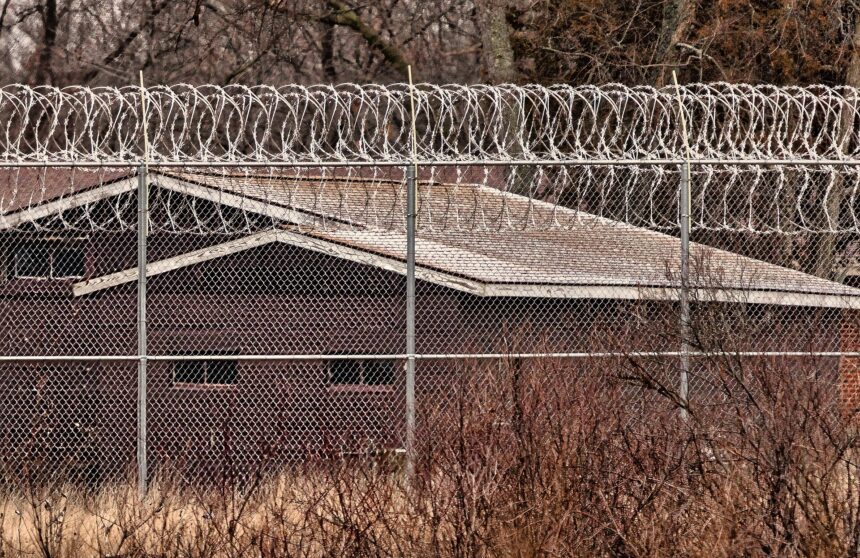
Correctional Service Canada (CSC) staff seized contraband with an estimated institutional value of $73,889 at Cowansville Institution on October 16, 2026. This latest Cowansville prison seizure included drugs, tobacco, and a weapon, marking another high-value recovery within the facility.
The incident highlights a growing tension between the agency’s security measures and the persistent influx of prohibited items. Launch Len Media views these recurring seizures as evidence that current institutional safeguards are failing to mitigate systemic vulnerabilities.
The Scale of Recent Contraband Recoveries
The October 16 operation represents the latest in a string of significant contraband recoveries at the medium-security facility. According to CSC, the haul included crystal methamphetamine, hashish, marijuana, pills identified as speed, tobacco, rolling papers, a lighter, a stabbing weapon, and a cellphone with accessories. Source: Correctional Service Canada.
This recovery follows an even larger seizure on October 4, 2026, which the CSC valued at $124,024. That earlier event included methamphetamine, hashish, cannabis concentrate, tattoo paraphernalia, and edged weapons.
Earlier in the year, the facility faced similar security breaches. On August 18, 2026, staff recovered items valued at $64,243, which the CSC later confirmed were linked to drone activity.
While the CSC credits staff vigilance for these recoveries, the frequency of these events raises questions about the efficacy of current perimeter security. The agency has not released specific details on how these items bypassed existing detection protocols.

Watchdog Critiques and Policy Gaps
The Office of the Correctional Investigator released its 2025–26 annual report on October 26, 2026, which analyzed 365 recommendations made over the past decade. The report identified a persistent gap between the policy commitments made by the CSC and the reality faced by prisoners.
Interim correctional investigator Valerie Phillips noted that while frameworks are frequently updated, implementation remains uneven and insufficient. The report highlights ongoing issues with segregation-like conditions, limited human contact, and rising use-of-force incidents.
Use-of-force incidents across the federal system rose by 39 per cent between 2021–22 and 2024–25, reaching 2,393 cases. The watchdog emphasized that these incidents disproportionately affect Black and Indigenous prisoners.
Health services also face significant strain, with vacancy rates for staff ranging from 20 to 30 per cent system-wide. The report warned that these shortages undermine rehabilitation efforts and complicate the management of an aging prison population.
Reforms are frequently announced and frameworks updated, yet implementation is often uneven, incremental, and insufficient to materially improve daily conditions.
Valerie Phillips, Interim Correctional Investigator
Options for Strengthening Institutional Security
To address the ongoing security risks, the CSC has identified several technological and operational strategies. These measures are intended to curb the flow of contraband and improve the safety of both staff and inmates.
The following options represent the current focus areas for the agency as it attempts to modernize its security infrastructure:
1. Expanded Jamming Pilots: The CSC has allocated $60.4 million over three years, starting in 2026–27, to implement drone jamming technology and other security upgrades.
2. Regional Detector-Dog Teams: The agency continues to rely on specialized canine units to intercept drugs and other prohibited items during routine searches.
3. Enhanced Body Scanners: Commissioner Dakalbab has emphasized the use of advanced body scanners as a primary tool to prevent the entry of contraband through visitors and staff.
4. Revised National Drug Strategy: The 2026 policy shift aims to treat substance use as a health issue while maintaining strict security protocols against trafficking. Source: The Pulse.
Analysis of the Security Strategy
Launch Len Media maintains that the high frequency of contraband seizures indicates that current security measures are reactive rather than preventative. While the CSC’s investment in technology is a positive step, the persistence of drone-linked deliveries suggests that the perimeter remains highly vulnerable.
The CSC argues that its current combination of ion scanners, detector dogs, and heightened patrols is essential for maintaining order. Officials contend that these tools successfully intercept large quantities of drugs and weapons that would otherwise threaten institutional safety.
However, the counterpoint remains that these seizures are merely a fraction of the total contraband entering the system. The reliance on recovery rather than prevention suggests that the underlying supply chains, particularly those involving aerial delivery, have not been effectively disrupted.
The watchdog’s warning that budget reductions could further constrain oversight is particularly concerning. If the CSC faces a $132.2 million reduction by 2028–29, the ability to maintain consistent security and health standards may be further compromised.
Next Steps for Stakeholders
For those monitoring the situation, the focus should remain on the implementation of the promised modernization plan. The following steps are critical for tracking accountability in the coming months:
Monitor the public action plan: The watchdog has requested a comprehensive plan by December 31, 2026, detailing corrective measures and performance metrics.
Track staffing levels: Watch for updates on whether the CSC can fill the 20 to 30 per cent vacancy rate in health services, which affects overall institutional stability.
Observe drone-related policy: Evaluate whether the $60.4 million investment in jamming technology results in a measurable decrease in aerial contraband deliveries at Cowansville.
Review performance reports: Future annual reports from the Office of the Correctional Investigator will serve as the primary benchmark for determining if the CSC’s transformation plan is producing tangible results.
Frequently Asked Questions
What is the total value of contraband seized at Cowansville in October 2026?
The combined value of the October 4 and October 16 seizures at Cowansville Institution is $197,913.
Has the CSC confirmed a drone connection to the October seizures?
No. While the CSC confirmed a drone connection to an August 18 seizure, no such link was confirmed for the two seizures that occurred in October.
What is the deadline for the requested public action plan?
The Office of the Correctional Investigator has requested that the CSC provide a public action plan by December 31, 2026.
For oversight of federal prisons, see the Office of the Correctional Investigator.