The Ontario government is moving to restrict the use of lithium-ion batteries following a record-breaking year of fires in Toronto. Solicitor General Michael Kerzner announced that new provincial Fire Code amendments will take effect on January 1, 2027.
These regulations represent a necessary intervention to address the rapid rise in residential blazes linked to e-mobility devices. Launch Len Media views this move as a vital step in protecting public safety, though it may create logistical challenges for some commuters.
The Scale of the Crisis
Toronto has faced a significant surge in fire incidents linked to lithium-ion batteries over the last three years. According to Toronto Fire Chief Jim Jessop, the city has seen a 214 percent increase in such fires since 2023. Source: CityNews Toronto.
As of November 2026, the city recorded 124 lithium-ion battery fires. This figure surpasses the previous annual record of 91 fires set in 2025, according to data provided by Toronto Fire Services.
The danger posed by these fires has intensified as battery technology has evolved. The window of survivability for occupants has decreased from five minutes in 2016 to approximately 90 seconds in 2026, according to municipal fire reports.
Chief Jessop has repeatedly identified these devices as the single greatest public fire safety risk in Canada. The provincial government’s decision to intervene follows years of advocacy from local fire departments and city officials.
The first round of amendments to the Ontario Fire Code that they are proposing are absolutely a good first step in starting to reduce both the probability and the consequences of these fires.
Toronto Fire Chief Jim Jessop

New Rules for Battery Safety
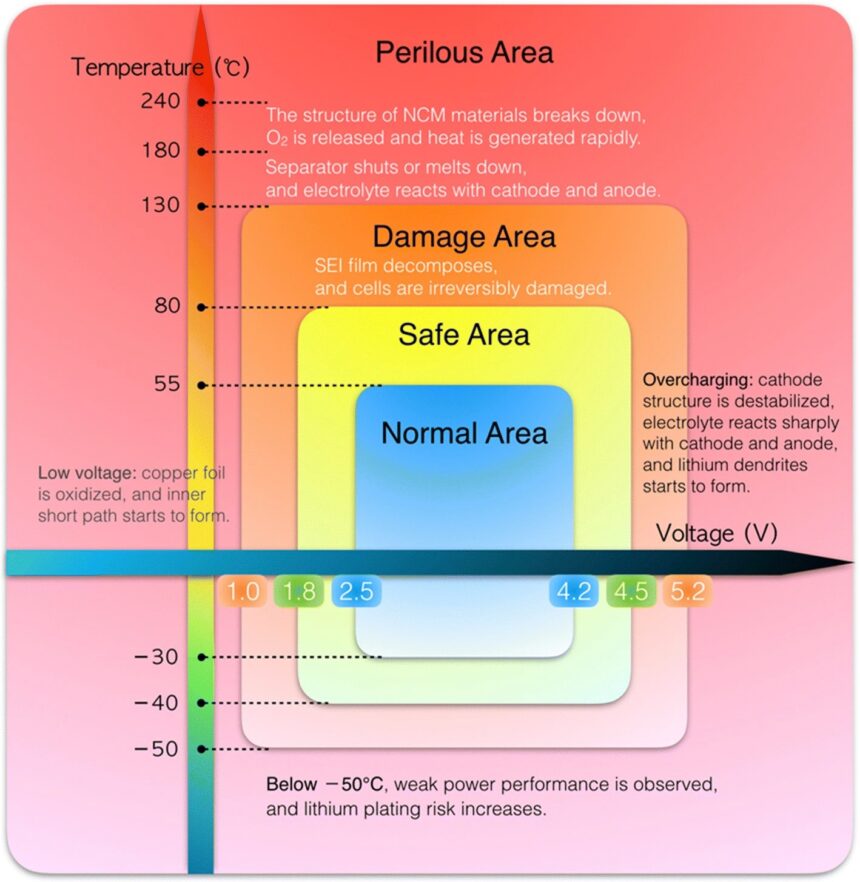
The upcoming amendments to the Ontario Fire Code aim to address the primary causes of thermal runaway incidents. Solicitor General Michael Kerzner stated that the government intends to stop the practice of modifying batteries to increase speed or torque.
Under the new regulations, it will be illegal to alter lithium-ion batteries for unintended purposes. The province wants to ensure that certified batteries are used strictly according to manufacturer specifications.
In addition to modification bans, the province will prohibit the storage of e-bikes and e-scooters in apartment hallways and common areas. This measure is intended to keep egress routes clear during an emergency. Source: CityNews Toronto.
These changes empower municipal fire inspectors to issue orders and penalties for non-compliance. The regulations are scheduled to be fully enforceable by January 1, 2027.
Recommended Safety Practices
To mitigate the risk of fire, Toronto Fire Services recommends several best practices for owners of devices powered by lithium-ion batteries. These steps are designed to prevent the conditions that lead to catastrophic battery failure.
Following these guidelines can significantly reduce the likelihood of a fire in your home. Residents are encouraged to adopt these habits immediately, even before the new regulations take effect.
The following list outlines the primary safety measures recommended by fire officials for all device owners:
- Only use devices that have been safety-tested and certified by recognized organizations.
- Strictly follow manufacturer instructions for both charging and storage of batteries.
- Store batteries away from any flammable materials or exit pathways in your home.
- Avoid using third-party chargers or aftermarket battery packs that lack certification.
- Monitor charging devices and unplug them once the battery reaches full capacity.
Balancing Safety and Mobility
The provincial intervention is a necessary response to a clear and present danger to residential safety. By limiting the modification of batteries, the government is addressing the root cause of many high-intensity fires.
Critics may argue that these regulations place an undue burden on low-income commuters who rely on affordable e-mobility devices for transportation. The cost of replacing non-compliant equipment or finding secure storage could be significant for some households. Source: CityNews Toronto.
However, the cost of inaction is far higher. The rapid decrease in the window of survivability makes it imperative to remove dangerous, modified devices from residential settings.
The government’s approach provides a clear framework for safety without banning the technology entirely. This balance is essential for maintaining the viability of e-mobility while ensuring that apartment buildings remain safe for all residents.
Next Steps for Residents
If you own an e-bike or e-scooter, you should audit your current equipment for safety certifications. Check the labels on your battery and charger to ensure they meet current standards.
Contact your building management to determine if your current storage practices will comply with the new Fire Code amendments. If you currently store your device in a hallway, begin looking for alternative, fire-safe storage solutions now.
Do not attempt to modify your battery or use aftermarket components to increase the performance of your device. These modifications are the primary contributors to the surge in thermal runaway incidents.
Stay informed about further updates from the Ontario government regarding the implementation of the Fire Code. Additional guidance for building owners and tenants is expected as the January 1, 2027, deadline approaches.