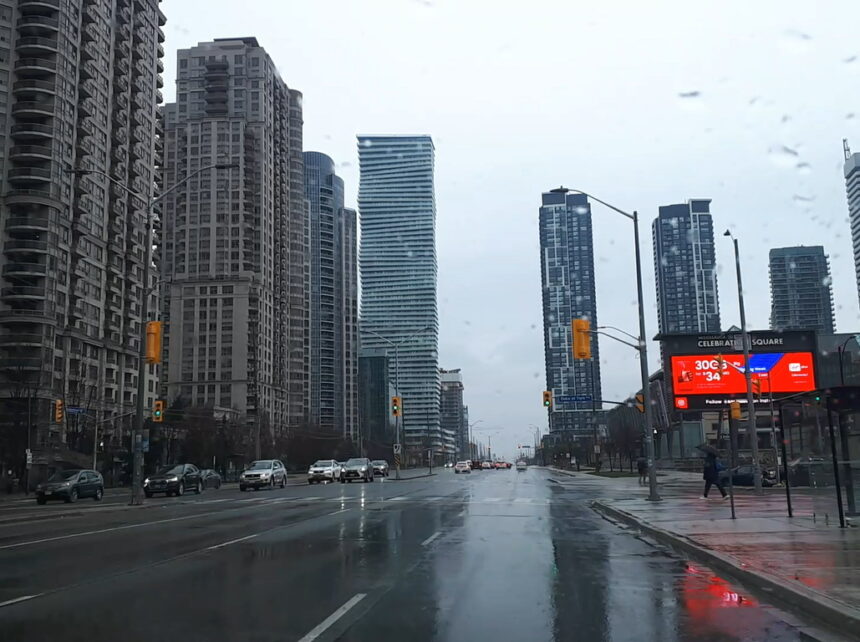
Rogers Real Estate Development Limited sold its remaining M City development sites in Mississauga to Urban Capital on October 26, 2026. The deal transfers control of the M6, M7, and M8 parcels to the developer.
This divestment marks a significant shift for the private holding company controlled by the family of Edward Rogers. Launch Len Media views this move as a strategic exit from direct land ownership to prioritize other core business interests.
The transaction impacts the future of one of the largest master-planned communities in the Greater Toronto Area. Investors and stakeholders are now watching how this change in ownership affects the timeline for local housing and infrastructure development.
The terms of the Mississauga land transfer
The acquisition by Urban Capital covers the remaining undeveloped portions of the M City master-planned community. According to Canada Newswire, the transaction was finalized on October 26, 2026.
The site includes three specific development blocks known as M6, M7, and M8. These parcels encompass more than four acres of land in the heart of downtown Mississauga.
The land is zoned for significant density, offering 1.5 million square feet of gross floor area. This capacity allows for the construction of high-rise residential towers consistent with the existing project scope.
Rogers Real Estate Development Limited has been the primary owner and developer of the 15-acre site since 2009. The firm oversaw the initial stages of the project before deciding to offload the remaining inventory.

Urban Capital takes the lead on final phases
Urban Capital is not a newcomer to the M City project. The firm has served as a long-term collaborator with the Rogers family holding company for nearly two decades.
According to The Property Times, Urban Capital has already overseen more than 5.2 million square feet of construction at the site. This experience makes them the logical successor to complete the final towers.
The full master-planned community is designed to span 15 acres. Once completed, the site will feature eight towers and a total of over 6,000 homes.
The transfer of the M6, M7, and M8 sites ensures that the development will continue under a single, experienced management team. This continuity is often critical for the successful execution of major capital projects in dense urban centers.
Rogers Real Estate Development Limited has collaborated with Urban Capital on the M City project since 2009.
RENX
Strategic options for the Rogers family office
The decision to sell the final M City sites provides several strategic options for the Rogers family office. By offloading these assets, the firm can reallocate capital toward other ventures. Source: The Property Times.
One option is for the company to focus on its core telecommunications and media assets. This aligns with a broader trend of family offices simplifying their portfolios to reduce exposure to the volatile real estate market.
Another option is to pivot toward passive investment vehicles. Instead of managing land development, the firm may choose to invest in existing commercial properties that offer steady rental income without the risks of construction.
The firm could also explore partnerships in other sectors. By exiting the direct development space, the family office gains the liquidity needed to pursue acquisitions in technology or infrastructure.
- Reallocate capital to core telecommunications and media business units.
- Reduce exposure to construction-related risks and market volatility.
- Transition to passive investment strategies with steady cash flow.
- Increase liquidity for potential acquisitions in emerging technology sectors.
Analysis of the divestment strategy
Launch Len Media believes this sale is a clear signal that the Rogers family office is moving away from direct land ownership. While the project has been successful, the management of large-scale residential developments requires a specific expertise that may no longer align with the firm’s long-term goals.
A fair counterpoint is that this is simply the natural evolution of a long-term partnership. Urban Capital has been the operational engine behind M City for years, and they are arguably better positioned to handle the final, complex phases of the development.
Despite the counterpoint, the exit remains a notable shift. The sale indicates that even in a high-demand market like Mississauga, the firm prefers to hand over the keys rather than continue as an active developer.
This decision likely reflects a broader corporate strategy to streamline operations. By removing the burden of development management, the firm can focus on its primary business interests while still benefiting from the legacy of its early involvement in M City. Source: RENX.
Next steps for investors and local stakeholders
If you are an investor monitoring this transition, watch for updates on the construction timelines for the M6, M7, and M8 towers. Urban Capital is expected to provide new project milestones in the coming months.
Local stakeholders should monitor municipal planning meetings for any changes to the site plan. While the project is well-established, new ownership can sometimes lead to adjustments in the final design or density mix.
For those interested in the broader real estate market, this sale serves as a case study in developer consolidation. It highlights the trend of larger, specialized firms taking over late-stage projects from private holding companies.
Keep an eye on the financial disclosures of the Rogers family office for signs of where the proceeds from this sale are being directed. This will provide a clearer picture of their future investment priorities.
Frequently Asked Questions
What is the total size of the land sold by Rogers?
The sale includes more than four acres of land designated for the M6, M7, and M8 development sites.
How many homes are planned for the full M City project?
The entire 15-acre master-planned community is designed to include over 6,000 homes across eight towers.
Why did Rogers sell the remaining sites to Urban Capital?
The sale represents a strategic pivot for the Rogers family office to move away from direct land development and focus on core business interests.
For official details, see City of Mississauga.