A 57-year-old woman was hospitalized with serious injuries after being struck by a vehicle at a Kitchener intersection on November 12, 2026. The driver fled the scene, prompting an ongoing investigation by the Waterloo Regional Police Service.
This collision highlights a dangerous trend of rising hit and run incidents in the region. Launch Len Media contends that the frequency of these events necessitates an immediate escalation in traffic enforcement and the deployment of advanced intersection monitoring technology.
Details of the November 12 Collision
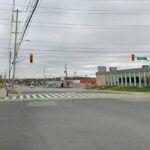
The incident took place at approximately 6:45 a.m. at the intersection of Strasburg Road and Block Line Road. According to the Waterloo Regional Police Service, the victim was transported to an out-of-region hospital for treatment of serious but non-life-threatening injuries. Source: CityNews Kitchener.
The intersection remained closed for three hours while police conducted an investigation. This closure caused significant traffic delays throughout the morning commute for residents in the area.
Police are currently searching for a black or dark-coloured 2020-2023 Nissan Sentra. Authorities believe the vehicle may have visible damage to the driver’s side mirror and headlight as a result of the impact.
The Traffic Services Unit is leading the investigation into the fail-to-remain collision. They are urging any witnesses or individuals with dashcam footage to come forward to assist in identifying the suspect.

A Pattern of Regional Traffic Violence
This incident is not an isolated event in the Waterloo region. On November 6, 2026, a 30-year-old man was injured in a separate hit and run at the intersection of Block Line Road and Laurentian Drive, as reported by CBC News.
Waterloo Regional Police reported that three separate hit and run incidents involving pedestrians occurred within the region in just one week in November 2026. This concentration of events has alarmed local community groups and safety advocates.
The frequency of these incidents suggests a systemic failure in current traffic management protocols. While each case is handled individually by the Traffic Services Unit, the cumulative effect is a growing sense of insecurity for pedestrians navigating local roads.
The recurring nature of these crashes often leads to an intersection crash that requires extensive police resources. Each investigation requires significant time and manpower to process evidence and track down fleeing drivers.
- Increased police presence at high-risk intersections.
- Installation of automated license plate recognition cameras.
- Improved pedestrian lighting to increase visibility at night.
- Implementation of traffic calming measures like speed bumps.
- Public awareness campaigns regarding fail-to-remain laws.
The Case for Technological and Enforcement Upgrades
Launch Len Media argues that the current approach to traffic safety is insufficient to deter hit and run drivers. Relying solely on reactive policing after an incident occurs fails to protect the public in the moment.
The deployment of advanced intersection monitoring technology could provide real-time data to police. High-definition cameras equipped with automated detection could identify vehicles involved in collisions instantly, reducing the time required to locate suspects.
Increased enforcement is also a necessary deterrent. By maintaining a visible presence at high-risk intersections, police can discourage reckless driving behaviors that often lead to pedestrian injuries.
Critics of this approach argue that infrastructure is the primary solution. They suggest that better lighting, wider sidewalks, and physical traffic calming measures are more sustainable than increased surveillance.
While infrastructure improvements are vital, they are often slow to implement due to budget constraints and planning cycles. Technology and enforcement offer immediate, scalable solutions that can be deployed across the region to address the current crisis.
The balance between privacy and safety remains a point of contention. However, the protection of life must take precedence in areas where pedestrian traffic is high and collision rates are climbing.
The Waterloo Regional Police Service Traffic Services Unit is responsible for investigating serious bodily injury and fail-to-remain collisions.
Waterloo Regional Police Service
What Readers Can Do to Improve Safety
If you witness a collision, prioritize your safety before attempting to help. Move to a secure location and call 911 immediately to report the incident and provide as much detail as possible about the vehicles involved.
Documenting details is essential for investigators. If you are a driver, ensure your dashcam is functioning properly. If you are a pedestrian, remain vigilant when crossing streets even when you have the right of way.
Engage with local municipal representatives to advocate for safer street designs. Attend town hall meetings to express concerns about specific intersections that feel unsafe or lack adequate lighting.
Stay informed by following updates from the Waterloo Regional Police Service. Being aware of high-risk areas can help you make safer travel decisions during your daily commute.
Frequently Asked Questions
What should I do if I witness a hit and run?
Call 911 immediately and provide the police with the vehicle description, license plate number if possible, and the direction of travel.
Are these incidents being investigated by the same unit?
Yes, the Waterloo Regional Police Service Traffic Services Unit is responsible for investigating serious bodily injury and fail-to-remain collisions.
How can I report dangerous driving in my area?
You can contact the Waterloo Regional Police Service non-emergency line or use their online reporting tools to report reckless driving behaviors.
Related reading: Kitchener cyclist-involved crash highlights growing road safety risks and Kitchener e-scooter fatality sparks calls for safety reform. Report information to the Waterloo Regional Police Service.