The Ontario legislature returned on October 27, 2026, to a firestorm of criticism regarding a province-wide OSAP pause that has left thousands of private college students without financial support. The freeze, implemented on October 6, 2026, follows preliminary findings from a KPMG audit that uncovered systemic issues within the private career college sector.
This policy shift represents a significant disruption for students who rely on government aid to cover tuition and living expenses. Launch Len Media views this broad-brush approach as a failure of proactive oversight that unfairly penalizes legitimate students for the alleged misconduct of a small number of bad actors.
The scope of the OSAP audit findings
The decision to halt funding originated from preliminary findings in a KPMG audit commissioned by the Ministry of Colleges and Universities. Minister Nolan Quinn announced the move on October 6, 2026, citing concerns that taxpayer dollars were at risk. Source: CBC News.
According to Minister Quinn, the audit identified several alarming practices among private career colleges. These included co-location with immigration firms and a lack of rigorous student enrollment verification. Such issues suggest that some institutions may have been prioritizing profit over educational integrity.
Data obtained by The Canadian Press provides context for the government’s sudden pivot. While OSAP usage at public colleges remained relatively flat, usage at specific career colleges saw a dramatic, unexplained increase. This spike prompted the ministry to examine the financial health and compliance of these private entities.
Career Colleges Ontario, an industry representative body, has attempted to address the fallout internally. The organization reported that it has removed seven schools and ownership groups representing 21 campuses from its membership as part of its own review process.
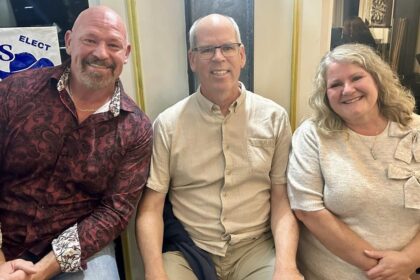
They’re all being penalized because these guys screwed up royally, and I don’t know whether it’s just total incompetence or complicity or some mixture of both, but it’s bad.
Interim Liberal leader John Fraser
Legislative fallout and calls for resignation
The return of the Ontario legislature on October 27, 2026, marked the first opportunity for opposition parties to confront the government on the issue. After a 147-day break, the atmosphere was charged with accusations of mismanagement.
Opposition members, including NDP critic Peggy Sattler, argued that the government ignored clear warning signs for years. Sattler claimed that the ministry allowed hundreds of millions of dollars in grant funding to flow to private colleges without sufficient monitoring or accountability.
The opposition parties demanded the resignation of Minister Nolan Quinn during the first day of the session. Critics contend that the government’s failure to act on internal data earlier created the current crisis, forcing the ministry to implement a blunt, province-wide freeze.
Premier Doug Ford defended his minister during the question period. He stated that he feels terrible for the honest students caught in the middle of the situation but maintained that the government must protect taxpayer funds from bad actors.
Options for students facing financial gaps
Students currently enrolled in private institutions face significant uncertainty as the OSAP pause remains in effect. The government has acknowledged the hardship caused by this decision and is exploring alternative financial pathways.
The Ministry of Colleges and Universities is currently in discussions with various financial institutions. The goal is to facilitate access to low-interest, third-party loans for students who have been cut off from their expected OSAP grants.
These potential loan programs are intended to serve as a temporary bridge while the government develops a new approval process for private institutions. Students are encouraged to monitor official ministry communications for updates on eligibility and application procedures.
Affected individuals should also contact their respective college administration offices. Some institutions may be offering internal payment deferrals or financial counseling to help students manage the immediate impact of the funding freeze.
- Monitor the Ministry of Colleges and Universities website for official updates on the new validation process.
- Contact your college financial aid office to inquire about internal payment plans or tuition deferrals.
- Review personal savings and budget for a potential funding gap lasting until the early months of 2027.
- Consult with student advocacy groups to stay informed about potential third-party loan opportunities facilitated by the province.
- Keep detailed records of all tuition payments and correspondence with the ministry regarding your OSAP status.
Analysis of the government oversight strategy
The government’s decision to freeze all funding highlights a reactive rather than proactive approach to regulation. While protecting taxpayer dollars is a legitimate priority, the collateral damage to students suggests a failure in the ministry’s oversight mechanisms.
The fair counterpoint offered by the government is that the severity of the audit findings necessitated immediate, decisive action. Without a total pause, the province argues that it could not guarantee the integrity of the system while investigations into specific bad actors were ongoing.
However, the reliance on a tips-based system for identifying fraud seems inadequate given the scale of the OSAP usage spikes. Launch Len Media maintains that the government should have utilized its own data analytics to detect these irregularities long before the situation reached a breaking point.
Ultimately, the current policy creates a crisis of confidence for students. The government must now balance the need for rigorous enforcement with the responsibility to ensure that innocent students are not left to bear the financial burden of institutional misconduct.
Next steps for impacted stakeholders
For students, the immediate priority is to secure alternative funding if possible. Engaging with financial advisors or family members to discuss short-term loan options is a prudent step while waiting for government-facilitated solutions.
Advocacy remains a critical tool for those affected by osap funding irregularities. Students should consider joining collective efforts to pressure the ministry for faster resolution times and clearer communication regarding the status of their applications.
The broader student loan scandal has brought renewed attention to the need for stricter accreditation standards. Stakeholders should watch for upcoming legislative changes that may permanently alter how private colleges receive and manage public funds.
Finally, students should document all financial losses incurred due to the pause. This information may be necessary if the government eventually introduces a compensation or hardship relief program for those impacted by the audit fallout.
Frequently Asked Questions
When will the OSAP pause be lifted?
The government expects the pause to remain in effect until at least early 2027 while it develops a new approval and validation process for private institutions.
Are all post-secondary institutions affected by the freeze?
No, the pause specifically targets private post-secondary institutions and career colleges. Publicly funded colleges and universities are not subject to this specific funding freeze.
What should I do if I cannot pay my tuition?
You should contact your college’s financial aid office immediately to discuss payment deferral options and monitor the Ministry of Colleges and Universities website for information on third-party loan assistance.