Canadian inflation remained stuck at 3.1% in October 2026, matching the previous month’s level according to Statistics Canada data. This persistence coincides with a record-breaking surge in municipal property tax arrears across Ontario.
These dual pressures indicate that Canadian households face significant financial strain that extends well beyond standard monetary policy adjustments. Launch Len views this as a critical warning sign that the cost of living crisis is eroding the basic fiscal stability of the average homeowner.
The Reality of Stagnant Inflation
The annual rate of Canadian inflation held at 3.1% in October 2026, defying expectations of a sharper decline. Statistics Canada reported that this figure remains significantly above the central bank’s 2% target.
Gasoline prices served as the primary catalyst for this headline number. Costs at the pump rose 30.9% year-over-year, keeping the overall index elevated despite softening in other sectors.
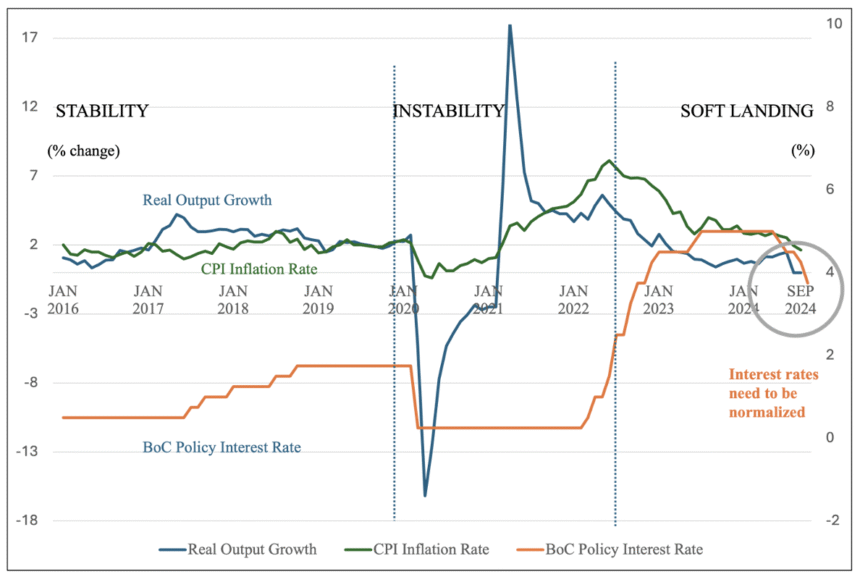
Market participants reacted quickly to the release of this inflation data. The probability of a Bank of Canada interest rate hike in December fell from 54% to 38% immediately following the report.
This shift suggests that investors believe the central bank may pause further tightening. The focus remains on whether the current 3.1% level represents a temporary plateau or a more permanent structural issue.

Municipal Tax Arrears Reach Historic Levels
While inflation remains a concern, the financial health of Ontario households is showing cracks in the municipal tax system. Property tax arrears reached a 24-year high by the end of 2025.
According to data analyzed by Better Dwelling, the total amount of unpaid taxes hit $2.43 billion. This figure represents 7.2% of the total 2025 levy, a significant increase from previous years.
The arrears rate has climbed steadily since 2019, rising by 2.46 percentage points. This trend underscores the difficulty many families face in meeting their basic housing obligations as costs rise.
Brampton recorded the highest rate of arrears among major Ontario municipalities at 11.9%. This concentration of unpaid taxes suggests that specific regions are bearing a disproportionate share of the current financial burden.
Comparing Economic Indicators
To understand the current climate, it is helpful to look at the specific metrics that define the path forward for Canadian households and policymakers.
Headline inflation continues to impact daily spending, while core measures provide a glimpse into the effectiveness of monetary policy. Below are the key indicators currently shaping the conversation.
The following metrics highlight the divergence between headline pressures and underlying economic trends:
Headline Inflation: Held at 3.1% in October 2026, driven by high energy costs.
Core CPI-trim: Declined to 1.8%, marking the lowest level in nearly six years.
Property Tax Arrears: Reached $2.43 billion, representing 7.2% of the 2025 levy.
Brampton Arrears Rate: Hit 11.9%, the highest among major Ontario cities.
Market Interest Rate Outlook: Probability of a December hike dropped to 38%.
Analysis of Policy Effectiveness
The Bank of Canada’s preferred core inflation measure, CPI-trim, fell to 1.8% in October 2026. This is the lowest reading in nearly six years, providing a strong argument that current monetary tightening is working.
Critics argue that headline inflation remains too high, but the softening of core measures suggests that the underlying price pressures are being contained. The central bank’s strategy of maintaining higher rates appears to be cooling the broader economy as intended.
However, the rise in property tax arrears suggests that the cost of this policy is falling heavily on homeowners. While interest rate policy is designed to curb demand, it cannot directly address the municipal fiscal pressures that lead to tax defaults.
Launch Len maintains that the disconnect between falling core inflation and rising household arrears is a major concern. Interest rate policy alone is an insufficient tool to resolve the systemic financial strain currently facing Canadian families.
The arrears rate for Ontario property taxes reached 7.2% of the 2025 levy, an increase of 2.46 percentage points since 2019.
Better Dwelling
Next Steps for Canadian Households
You should review your monthly budget to ensure that property tax payments are prioritized alongside mortgage or rent obligations. Given the rising arrears rates, municipalities may become more aggressive in collecting outstanding balances.
Consider setting aside funds specifically for property tax installments to avoid the penalties associated with late payments. If you are struggling, contact your municipal tax office to discuss potential payment plans before arrears accrue.
Monitor the latest inflation data and bank of canada interest rate decisions to adjust your debt strategy. If you hold variable-rate debt, ensure you have a buffer for potential rate changes in early 2027.
Finally, focus on reducing discretionary spending to offset the impact of high gasoline and energy prices. By managing your cash flow proactively, you can better navigate the current period of economic uncertainty.
Frequently Asked Questions
Why is gasoline impacting Canadian inflation so heavily?
Gasoline prices rose 30.9% year-over-year in October 2026, which creates a significant upward pressure on the headline inflation figure despite other sectors cooling.
What does the decline in CPI-trim mean for interest rates?
The decline of CPI-trim to 1.8% suggests that underlying inflation is softening, which reduces the pressure on the Bank of Canada to implement further interest rate hikes.
Are property tax arrears a sign of a broader housing crisis?
The rise in property tax arrears to a 24-year high indicates that many households are struggling to manage their fixed housing costs, which is a key indicator of financial stress.