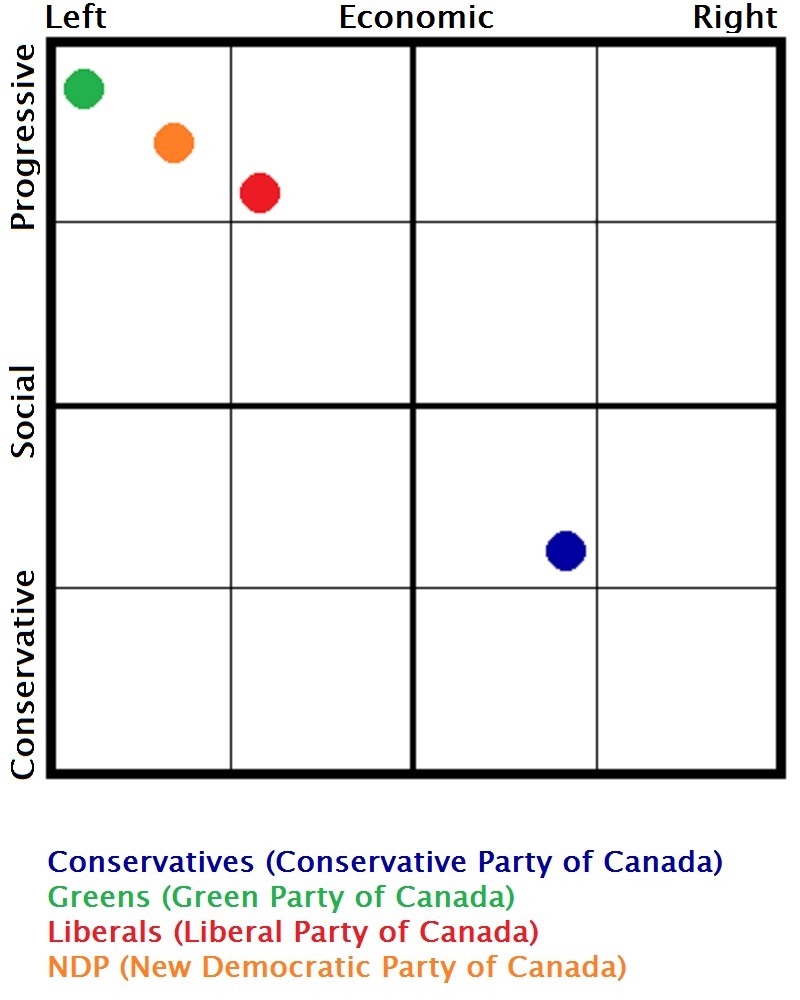
Federal NDP leader Avi Lewis is attempting to revitalize his party by focusing on economic populism to address the cost of living crisis. Lewis secured the leadership in 2026 with 56% of the vote on the first ballot.
This strategy seeks to expand the party’s reach beyond its traditional base by targeting the financial anxieties of middle-class Canadians. The NDP currently holds only five seats in the 343-seat House of Commons.
The 2026 Leadership Mandate
Avi Lewis assumed leadership of the federal NDP in March 2026 following the resignation of Jagmeet Singh. Singh stepped down after the party suffered significant losses in the 2025 federal election. Source: The Eyeopener.
Lewis secured his position on the first ballot, capturing 56% of the vote. According to Wikipedia, the leadership contest saw a 70.55% voter turnout, which was an increase of 16.6 percentage points over previous cycles.
The campaign demonstrated significant financial momentum for the new leader. Lewis raised $1.23 million, a total that exceeded the combined fundraising of the other four leadership candidates.
The party now faces the challenge of rebuilding its presence in the House of Commons. Currently, the NDP holds five seats out of 343 total, according to The Eyeopener.
More Read

Economic Populism and Public Solutions
Lewis argues that the NDP can broaden its appeal by addressing the immediate financial struggles of Canadians. He suggests that even those with six-figure salaries feel economically insecure.
His platform centers on public sector interventions to lower the cost of living. These proposals include the establishment of public grocery stores and a crown corporation to provide affordable telecommunications.
Lewis contends that cutting taxes is insufficient to solve the current crisis. He advocates for the government to capture wealth from billionaires, big banks, and the oil and gas industry to fund public solutions.
He also emphasizes a Green New Deal as a core component of his economic vision. This plan includes the creation of one million green jobs while explicitly opposing further fossil fuel expansion. Source: Wikipedia.
Strategic Policy Alternatives
Lewis has outlined specific policy pillars designed to differentiate the NDP from its political rivals. These alternatives focus on state-led solutions to market failures in essential services.
Public grocery stores are intended to combat food price inflation. By operating outside the traditional profit-driven retail model, these stores aim to offer lower prices for basic necessities.
A crown corporation for telecommunications aims to address high costs for cell phone and internet services. This proposal seeks to provide a public option that competes with private providers.
Reversing the privatization of health care remains a priority for Lewis. He argues that the federal government must enforce the Canada Health Act to prevent provinces from allowing out-of-pocket payments for essential services.
- Public grocery stores to lower food costs.
- Crown corporation for affordable telecommunications.
- Green New Deal targeting one million new jobs.
- Strict enforcement of the Canada Health Act.
- Increased taxation on banks and energy corporations.
Analysis of the NDP Path Forward
The NDP political opportunity rests on whether Lewis can successfully frame economic hardship as a collective struggle against corporate wealth. His focus on tangible, everyday financial relief offers a clear alternative to mainstream political discourse.
Critics argue that his platform may alienate voters in resource-dependent provinces. His opposition to fossil fuel expansion creates friction with regional NDP leaders, such as those in Alberta, who must balance energy jobs with environmental goals.
Despite these tensions, Lewis maintains that the global shift away from fossil fuels is inevitable. He points to international trends in India and China as evidence that renewable energy is the future of the global economy. Source: International Socialist Alternative.
The success of his strategy depends on his ability to unite his progressive base with disaffected working-class voters. If he can bridge this divide, the NDP may regain its status as a significant parliamentary force.
The role of government surely is to go and get some of that wealth and plough it into solutions that will actually solve the crisis of everyday life, and that’s my tax policy from a high level.
Avi Lewis, NDP Leader
Steps for Political Engagement
For supporters looking to get involved, the NDP is emphasizing grassroots community building. Lewis promotes the concept of friend banking to encourage political participation among those who are not traditionally active.
You can start by reaching out to your personal network to discuss local economic issues. This approach aims to bring new voices into the political process who are frustrated with the current state of the economy.
Students and young people are encouraged to attend policy forums and town halls to engage with different perspectives. These events provide opportunities to move beyond political bubbles and hear directly from leadership.
Finally, you can participate in local party organizing to help shape the platform at the constituency level. Engaging in these local structures is a primary way to influence the national direction of the party.
Frequently Asked Questions
What is the primary goal of the NDP under Avi Lewis?
The primary goal is to address the cost of living crisis through public sector solutions and wealth redistribution.
How does Lewis plan to handle energy policy disagreements?
Lewis advocates for a transition away from fossil fuels while maintaining open communication with provincial leaders who have different regional priorities.
What is friend banking?
Friend banking is a grassroots organizing technique where individuals contact people within their personal networks to encourage political participation.
Related reading: Carney responds to Trump’s Canada trade demands · Conservatives propose cuts to permanent residency