The Conservative Party’s demand for further cuts to permanent residency admissions is a necessary correction to address the systemic strain caused by rapid population growth. For years, the Canadian immigration system operated under the assumption that higher volumes would inherently drive economic prosperity. However, the current reality of housing shortages, overburdened healthcare systems, and stagnant wage growth suggests that the pace of entry has outstripped the country’s capacity to integrate new arrivals effectively. While the current government defends its 380,000-person target as a stabilized and sustainable level, the disconnect between federal policy and the daily experience of citizens is widening. The stakes are high, as the political discourse surrounding immigration now directly influences social cohesion and public trust in federal institutions. A Smarter Immigration Strategy for Canada’s Future
What happened
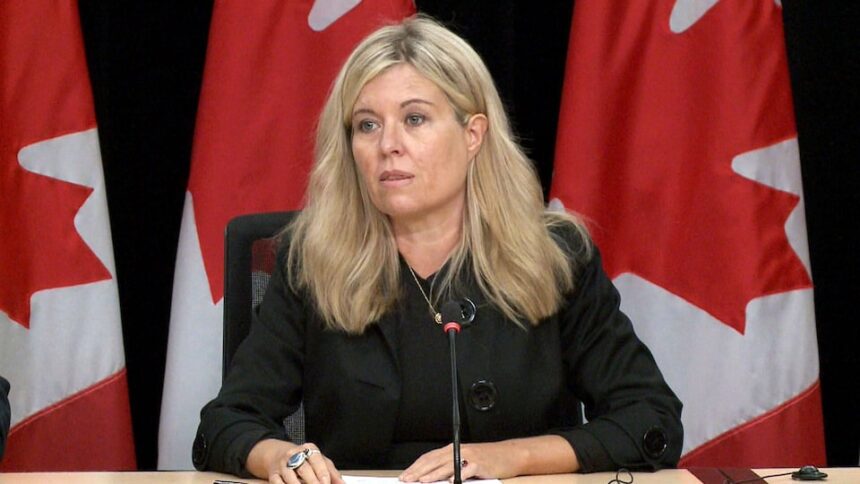
On October 22, 2026, Conservative immigration critic Michelle Rempel Garner and MP Brad Redekopp held a press conference to formally demand significant reductions to permanent residency admissions in the upcoming federal immigration levels plan. The Conservative Party argues that the current annual target of 380,000 permanent residents, as outlined in the 2026–2028 Immigration Levels Plan, is unsustainable. This stance follows recent revelations from Statistics Canada, which revised population estimates upward by approximately 300,000 people. Conservative Leader Pierre Poilievre has used these figures to challenge the government’s competence in tracking and managing the total number of people entering the country. In response, Prime Minister Mark Carney stated that the government will not change its current targets, asserting that the system is now under control and that the existing numbers represent a sustainable level that balances economic needs with social capacity. The Conservatives have also proposed specific administrative changes, including the implementation of temporary resident exit tracking and a mandate for greater provincial collaboration in setting future immigration targets. Canada’s Immigration Dual Reality: Narrower Access, Persistent Demand
More Read

Why this matters
The debate over permanent residency admissions is fundamentally a debate about the limits of growth. The Conservative argument posits that the federal government has prioritized volume over the functional capacity of the nation. When the population grows at a rate that exceeds the construction of new housing and the expansion of healthcare services, the quality of life for both established residents and new immigrants declines. Critics of the Conservative proposal, including the current administration, argue that Canada requires a steady influx of labor to support an aging workforce and maintain economic competitiveness. They contend that cutting numbers would lead to labor shortages that could derail key industries. However, this counterpoint ignores the reality that a labor market reliant on constant, high-volume immigration to suppress wages or fill low-productivity roles is not a recipe for long-term prosperity. A more selective and measured approach to immigration is required to ensure that the country can provide adequate services to those already here while maintaining a standard of living that attracts high-skilled talent. The current government’s insistence on maintaining the status quo risks further alienating a public that is increasingly concerned about the affordability and availability of essential services. The following factors illustrate why a recalibration is essential:
- Housing supply cannot keep pace with current population growth rates.
- Healthcare systems are facing unprecedented wait times and staff shortages.
- Wage growth remains stagnant despite high levels of labor market participation.
- Social infrastructure requires time to adapt to rapid demographic shifts.
- Public trust in the immigration system is eroding due to perceived lack of oversight.
Lorne Gunter: Despite Carney’s claims, Canada’s immigration numbers largely unchanged
What readers should do
Citizens and stakeholders should closely monitor the upcoming federal immigration levels plan to see if the government incorporates any of the proposed administrative changes, such as exit tracking. For those involved in business or policy, it is vital to track how provincial governments respond to the call for greater collaboration in target-setting, as this could shift the focus toward regional labor needs rather than broad national targets. As noted by Michelle Rempel Garner, the current policy environment has contributed to rising social tensions, and businesses should prepare for potential shifts in labor availability if political pressure forces a change in immigration volumes (The Canadian Press, 2026). Readers should also utilize official government data portals to understand how their specific region is being impacted by current population trends. Engaging with local representatives to express concerns about infrastructure capacity is a concrete way to influence the policy process. Finally, stay informed through reliable reporting on the 2026–2028 plan to anticipate how these political maneuvers might affect future economic conditions and public service delivery.
Frequently Asked Questions
What is the current target for permanent residency admissions?
The current target for permanent residency admissions is 380,000 annually for the 2026–2028 period, as set by the federal government.
Why are the Conservatives calling for cuts?
Conservatives argue that current immigration levels are unsustainable and have contributed to significant crises in housing, healthcare, and employment.
How has the government responded to the calls for cuts?
Prime Minister Mark Carney has stated that the government will not change its current targets, claiming they are already at a sustainable level.
What specific administrative changes are being proposed?
The Conservative Party has called for the implementation of temporary resident exit tracking and greater provincial collaboration in setting immigration targets.