



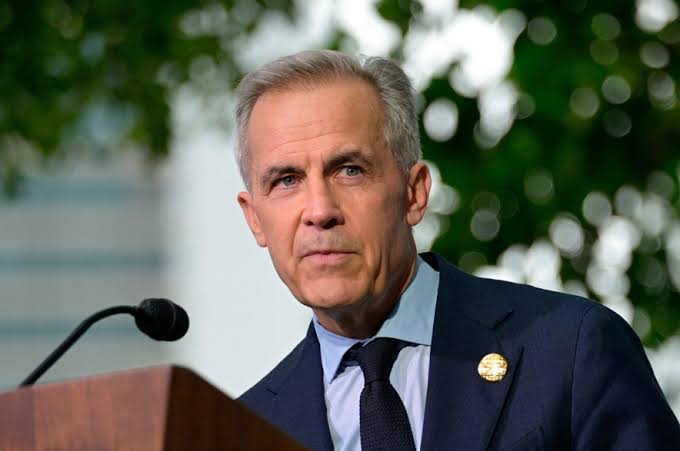
Prime Minister Mark Carney met with U.S. President Donald Trump on November 18, 2026, at the APEC summit in Shenzhen to address the future of bilateral trade. Following the discussion, Carney publicly described Canada-US trade relations as significantly more complex than the nation’s ongoing engagement with China.
This assessment signals a fundamental shift in Canadian economic strategy as the government seeks to diversify its export base. For Canadian businesses and investors, understanding this transition is critical to navigating a landscape where traditional alliances face new pressures.
The Complexity of the American Relationship
During the APEC summit, Prime Minister Carney characterized the current state of negotiations with the United States as a process of two steps forward and one step back. The Prime Minister noted that while the U.S. remains a vital partner, the regulatory and political hurdles have grown increasingly difficult to clear. Source: CTV News.
These comments reflect the ongoing friction surrounding us trade deal tariffs that have impacted various sectors of the Canadian economy. Carney emphasized that the unpredictability of American trade policy necessitates a more agile approach to international commerce.
The meeting in Shenzhen served as a venue for both leaders to air grievances regarding tariffs and market access. Despite the high-level dialogue, the Prime Minister indicated that the U.S. president does not view Canadian trade as his primary concern, leaving Canada to navigate the complexities independently.
Trade relations with the U.S. are much more complex than those with China.
Prime Minister Mark Carney

Expanding the China Partnership
In contrast to the friction with Washington, Canada has made significant progress in its canada-china trade strategy. On November 17, 2026, officials announced that both nations had reached an agreement to expand tariff relief for approximately $400 million in Canadian exports.
The agreement specifically targets agricultural and maritime sectors, including pork and seafood products. This development is part of a broader framework established in January 2026 to deepen economic cooperation between the two nations.
Market access has been a primary focus of these negotiations. According to government reports, Canada has now successfully restored access for more than 90% of trade that was previously hampered by Chinese tariffs.
This restoration of trade flow provides a buffer for Canadian producers who have faced uncertainty in the North American market. The success of these talks suggests that Beijing is currently prioritizing stability in its trade relationship with Ottawa.
Diversification as an Economic Necessity
The pivot toward non-U.S. markets is not merely a diplomatic choice but a response to shifting global trade dynamics. Statistics from the APEC 2026 summit reveal that one in every three Canadian export dollars now goes to markets outside the United States.
This figure marks a 40-year high in export diversification for Canada. Economists suggest that this trend is essential for insulating the domestic economy from the volatility of American protectionist policies.
The following sectors have seen the most significant growth in non-U.S. export volume since the start of 2026: Source: CityNews.
1. Agricultural products, specifically pork and grain exports to East Asian markets.
2. Seafood and aquaculture products, which have benefited from recent tariff relief.
3. Advanced manufacturing components that are increasingly finding buyers in the Asia-Pacific region.
4. Energy resources, as Canada seeks to reduce its reliance on U.S. pipelines and refineries.
Analysis: Pragmatism Versus Security
Launch Len Media views the Prime Minister’s pivot toward China as a necessary pragmatic response to the current geopolitical climate. As the U.S. adopts a more isolationist trade stance, Canada has little choice but to secure alternative revenue streams for its producers.
Critics, however, argue that deepening economic ties with China carries inherent risks. Some analysts suggest that such moves could undermine Canada’s long-standing security and geopolitical alignment with Washington, potentially complicating future negotiations.
Despite these concerns, the economic data supports the government’s current trajectory. With 90% of previously blocked trade restored, the immediate benefits to Canadian exporters appear to outweigh the potential diplomatic friction in the short term. Source: Al Jazeera.
The challenge for the administration will be balancing these competing interests. Maintaining a strong relationship with the U.S. remains a strategic imperative, even as the government pursues aggressive diversification elsewhere.
Next Steps for Canadian Businesses
For Canadian firms looking to capitalize on these shifts, the priority should be on market research within the Asia-Pacific region. Businesses that rely heavily on U.S. exports should consider diversifying their supply chains to include partners in markets where tariff relief has been secured.
Investors should monitor the ongoing trade talks closely, as any further escalation in U.S. protectionism could lead to additional government incentives for international expansion. Consult with trade experts to understand how the new tariff relief measures apply to your specific product categories.
Finally, ensure that your business operations are compliant with international trade regulations. As Canada navigates these complex relationships, regulatory standards may shift to accommodate new trade partners and agreements.
Frequently Asked Questions
Why is the trade relationship with the U.S. considered more complex than with China?
Prime Minister Carney noted that U.S. trade policy is currently unpredictable and subject to frequent, disruptive changes, which he described as two steps forward and one step back.
What specific goods are included in the new tariff relief deal with China?
The agreement covers approximately $400 million in Canadian exports, with a primary focus on pork and seafood products.
How much of Canada’s trade is now directed outside the United States?
Currently, one in every three Canadian export dollars goes to markets outside the United States, which is the highest proportion recorded in 40 years.