



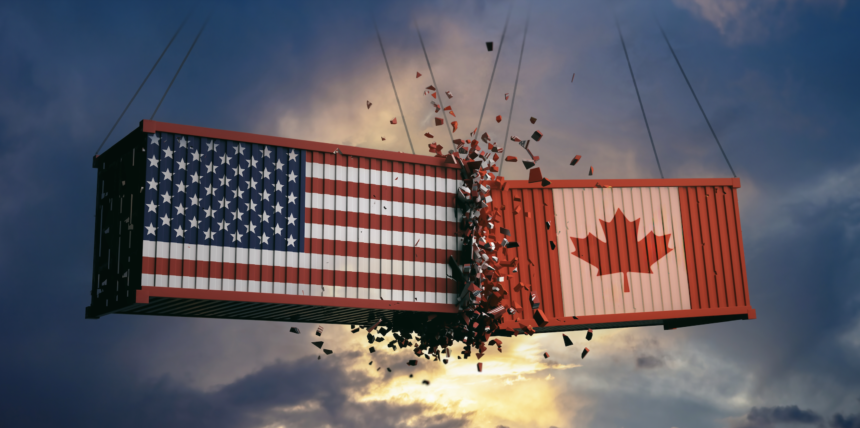
Prime Minister Mark Carney is resisting pressure to finalize a new Canada-US trade deal, opting instead to prioritize national sovereignty following the collapse of talks in August 2026. This strategy seeks to shield Canadian interests from restrictive U.S. demands that would limit the nation’s ability to pursue independent international partnerships.
The choice to delay an agreement carries significant weight for the Canadian economy, which currently faces 50% tariffs on US$20 billion in exports. Launch Len maintains that this diversification-first approach is a necessary assertion of independence that prevents long-term subordination to U.S. protectionist policies.
The Collapse of Negotiations and Tariff Pressures
Trade negotiations between Ottawa and Washington reached a breaking point in August 2026. According to Prime Minister Mark Carney, the collapse occurred because the United States demanded that Canada restrict its ability to sign independent trade deals with other global powers. Source: CBC News.
The fallout was immediate and severe for Canadian exporters. The U.S. government imposed 50% tariffs on approximately US$20 billion in Canadian goods, specifically targeting the dairy, alcohol, and auto-related sectors.
These us trade deal tariffs have created significant instability for domestic producers. Businesses are currently operating under the shadow of a January 1, 2027, deadline, at which point President Donald Trump has threatened to increase tariffs on steel and vehicles to 50% if no deal is reached.
Despite these pressures, the Canadian government has refused to capitulate to the U.S. demand for a veto over its foreign trade policy. This stance reflects a broader shift in Canadian economic strategy toward global diversification.

Diversification as a Defensive Strategy
Prime Minister Carney has utilized the current impasse to accelerate Canada’s integration into other major markets. In November 2026, his administration successfully concluded free-trade negotiations with the 11-nation ASEAN bloc and the Philippines.
This move serves as a clear signal that Canada intends to maintain its autonomy regardless of the status of its relationship with the United States. By securing these markets, Canada reduces its reliance on a single, increasingly volatile trading partner.
Furthermore, Canada has initiated a thaw in its trade relationship with China. Recent reports indicate that Carney secured market access for Canadian pork and seafood products. In exchange, Canada agreed to lower tariff rates on specific Chinese electric vehicles. Source: The Hub.
This multifaceted approach demonstrates that Canada is actively seeking to mitigate the risks associated with U.S. protectionism. The government argues that long-term economic stability requires a broader network of trade partners.
- Finalized trade pact with the 11-nation ASEAN bloc.
- Secured new market access for Canadian pork and seafood in China.
- Maintained refusal to grant the U.S. veto power over independent trade deals.
- Navigated ongoing 50% tariff penalties on US$20 billion in goods.
- Prepared for potential January 2027 tariff escalations on steel and autos.
The Case for and Against Strategic Patience
The debate over whether Canada should wait for a better deal is centered on the balance between short-term pain and long-term sovereignty. Proponents of the current strategy argue that yielding to U.S. demands would permanently weaken Canada’s position as a sovereign trading nation.
Critics, however, highlight the immediate economic damage caused by the ongoing tariff regime. Many businesses are struggling to maintain margins while paying 50% tariffs on key exports, leading to calls for a faster resolution to the dispute.
Launch Len believes the administration’s cautious approach is justified. If Canada were to accept the U.S. terms now, it would effectively outsource its trade policy to Washington, creating a precedent that would be difficult to reverse in future administrations.
The fair counterpoint is that the economic cost of waiting may exceed the benefits of sovereignty if the U.S. follows through on its January 2027 threats. However, the success of the ASEAN and China deals suggests that the government has enough leverage to absorb these shocks.
Washington and Ottawa are fairly close to finding a landing zone for a trade agreement.
U.S. Trade Representative Jamieson Greer
Next Steps for Canadian Businesses
Canadian firms currently facing tariff-related challenges should prioritize supply chain diversification. Relying solely on the U.S. market has become a significant liability given the current political climate in Washington. Source: BNN Bloomberg.
Businesses should also monitor the upcoming January 1, 2027, deadline closely. If you operate in the auto or steel sectors, you should prepare for potential cost increases by exploring alternative export markets in the ASEAN region.
Finally, companies should engage with the federal government to advocate for specific support programs designed to offset the impact of current tariffs. While the government is focused on long-term strategy, there is room for targeted assistance for the most affected industries.
Frequently Asked Questions
Why did the Canada-US trade negotiations collapse?
The talks failed because the United States demanded that Canada restrict its ability to sign independent trade agreements with other nations.
What is the deadline for the next round of U.S. tariff threats?
President Donald Trump has threatened to increase tariffs on Canadian vehicles and steel to 50% effective January 1, 2027, if a deal is not reached.
Has Canada secured any new trade partners recently?
Yes, in November 2026, Canada concluded free-trade negotiations with the 11-nation ASEAN bloc and the Philippines.