




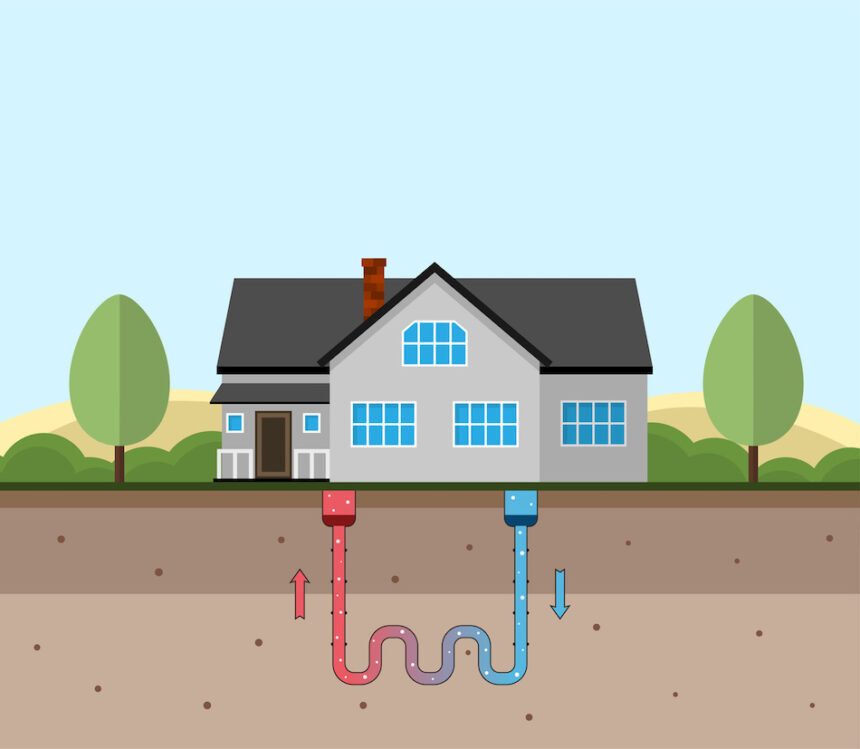
Canadian developers are increasingly integrating geothermal systems into new projects to secure long-term asset value beyond temporary government incentives. This shift marks a transition in geothermal real estate development from a niche pilot-based technology to a core infrastructure requirement.
Launch Len Media views this evolution as a necessary hedge against volatile energy markets and future carbon taxation. By prioritizing geothermal, developers are positioning their assets to meet the rigorous energy performance expectations of institutional investors by 2030 and beyond.
The stakes for the industry are high as construction costs and housing affordability pressures continue to mount. Decisions made today regarding heating and cooling infrastructure will dictate the operational viability of buildings for the next 60 to 100 years.
The Evolution of Geothermal Adoption
The adoption of geothermal technology in the Canadian market has accelerated significantly over the past decade. According to Diverso Energy, major projects like The Daniels Corporation’s Block 4 Rental in Brampton have demonstrated the tangible benefits of this technology, saving 332 tonnes of greenhouse gas emissions annually. Source: UrbanToronto.
Initial adoption was often driven by municipal mandates like the Toronto Green Standard or federal financing programs such as the CMHC MLI Select initiative. However, industry leaders are now viewing these incentives as secondary to the long-term performance benefits of the infrastructure itself.
Tim Weber, CEO of Diverso Energy, noted that while incentives have a shelf life, the infrastructure installed today will remain operational for decades. He emphasized that developers must look beyond immediate viability to ensure buildings remain valuable assets for the next 60 years.
This perspective is supported by research from Net Zero Insights, which identifies high initial capital costs and subsurface uncertainty as primary barriers. Despite these hurdles, the integration of geothermal is becoming a mainstream standard for large-scale residential projects in the Greater Toronto Area as of 2026.
The question developers need to ask isn’t just what makes a project viable today. It’s what will make that building a valuable asset 20, 40 or 60 years from now.
Tim Weber, Co-Founder and CEO of Diverso Energy
Mechanics of the Energy-as-a-Service Model
The primary financial barrier to geothermal real estate development is the significant upfront capital expenditure required for drilling and system installation. To mitigate this, the Energy-as-a-Service (EaaS) model has emerged as a critical financial tool for developers.
Under the EaaS framework, the geothermal system is treated as a utility rather than a capital cost. Specialized providers assume the responsibility for design, installation, and long-term maintenance, effectively shifting operational risk away from the developer.
This model allows developers to bypass the high initial costs that often stall projects in a high-interest-rate environment. By aligning the delivery model with ownership objectives, developers can maintain project feasibility while achieving superior energy performance.
Operational data indicates that geothermal heating and cooling can reduce annual energy costs by up to 75% when replacing oil, propane, or electric resistance heating. These savings directly contribute to improved net operating income, a key metric for institutional buyers and long-term owners.
Strategic Options for Modern Developments
Developers have several pathways to integrate geothermal technology depending on their specific project goals and financial structure. The following options represent the current industry standards for implementing geothermal in multi-residential developments. Source: Diverso Energy.
Integrated Design-Build Arrangements: This approach involves incorporating geothermal engineers into the initial design phase. It ensures that the building envelope and mechanical systems are optimized for geothermal performance from the start, maximizing efficiency gains.
Utility-Style Ownership Models: In this arrangement, a third-party utility provider owns and operates the geothermal field. The developer pays a service fee, which eliminates the need for large upfront capital outlays and simplifies the maintenance burden for the building owner.
Decarbonization Roadmap Integration: Some firms, like The Daniels Corporation, use geothermal as a foundational element of their corporate sustainability strategy. This approach treats individual projects as proving grounds that inform the design and performance standards of future developments.
Performance-Based Financing: By utilizing programs like the CMHC MLI Select, developers can secure lower financing rates by demonstrating high energy performance. This creates a financial loop where the savings from geothermal directly support the project’s debt service coverage ratios.
- Integrated Design-Build: Optimizes building envelope and mechanical systems for maximum efficiency.
- Utility-Style Ownership: Shifts capital expenditure and maintenance risk to specialized third-party providers.
- Corporate Decarbonization: Uses geothermal as a strategic pillar for long-term portfolio performance.
- Performance-Based Financing: Leverages energy efficiency to secure favorable loan terms and lower interest rates.
Analysis of Market Resilience and Risks
Launch Len Media maintains that geothermal energy is a critical strategic asset for future-proofing real estate. While critics point to the technical complexity and high initial costs as significant hurdles, these factors are increasingly managed through specialized utility models.
The counterpoint remains that not every site is suitable for geothermal due to subsurface geological conditions. Furthermore, the reliance on specialized expertise means that developers must be selective in their partnerships to ensure long-term system reliability.
Despite these challenges, the long-term trend toward electrification and carbon pricing makes the case for geothermal stronger than ever. Buildings that fail to meet these standards risk becoming stranded assets as institutional buyers increasingly demand lower operational costs and higher sustainability ratings.
The volatility of natural gas prices compared to electricity further supports the move toward geothermal. By locking in a stable, renewable energy source, developers protect their assets from the unpredictable energy price spikes that threaten long-term housing affordability. Source: Live Net Zero.
Next Steps for Developers and Investors
Developers looking to incorporate geothermal should begin by conducting a comprehensive site feasibility study early in the design process. Engaging with vertically integrated geothermal utilities can provide the necessary technical expertise to assess subsurface potential.
Review your current financing strategy to determine if an Energy-as-a-Service model aligns with your ownership objectives. This can help preserve capital while still capturing the long-term operational benefits of a geothermal system.
Evaluate the potential for federal and municipal financing incentives, such as those offered by the CMHC, to offset initial costs. Ensure that your project team is aligned on the long-term performance goals rather than just meeting the minimum requirements for a subsidy.
Finally, communicate the long-term value of these systems to potential institutional investors. Highlighting reduced operational expenses and resilience against energy market volatility can significantly enhance the marketability of your rental assets.
Frequently Asked Questions
Is geothermal energy suitable for all types of real estate?
No, site conditions and geological factors play a significant role in feasibility. A professional subsurface assessment is required for every project.
How does the Energy-as-a-Service model work for developers?
It allows a third-party provider to own and maintain the geothermal infrastructure, which the developer pays for as a utility service rather than an upfront capital cost.
Does geothermal energy guarantee lower operating costs?
Yes, geothermal systems can reduce annual energy costs by up to 75% compared to traditional heating methods, leading to significantly lower operational expenses over time.