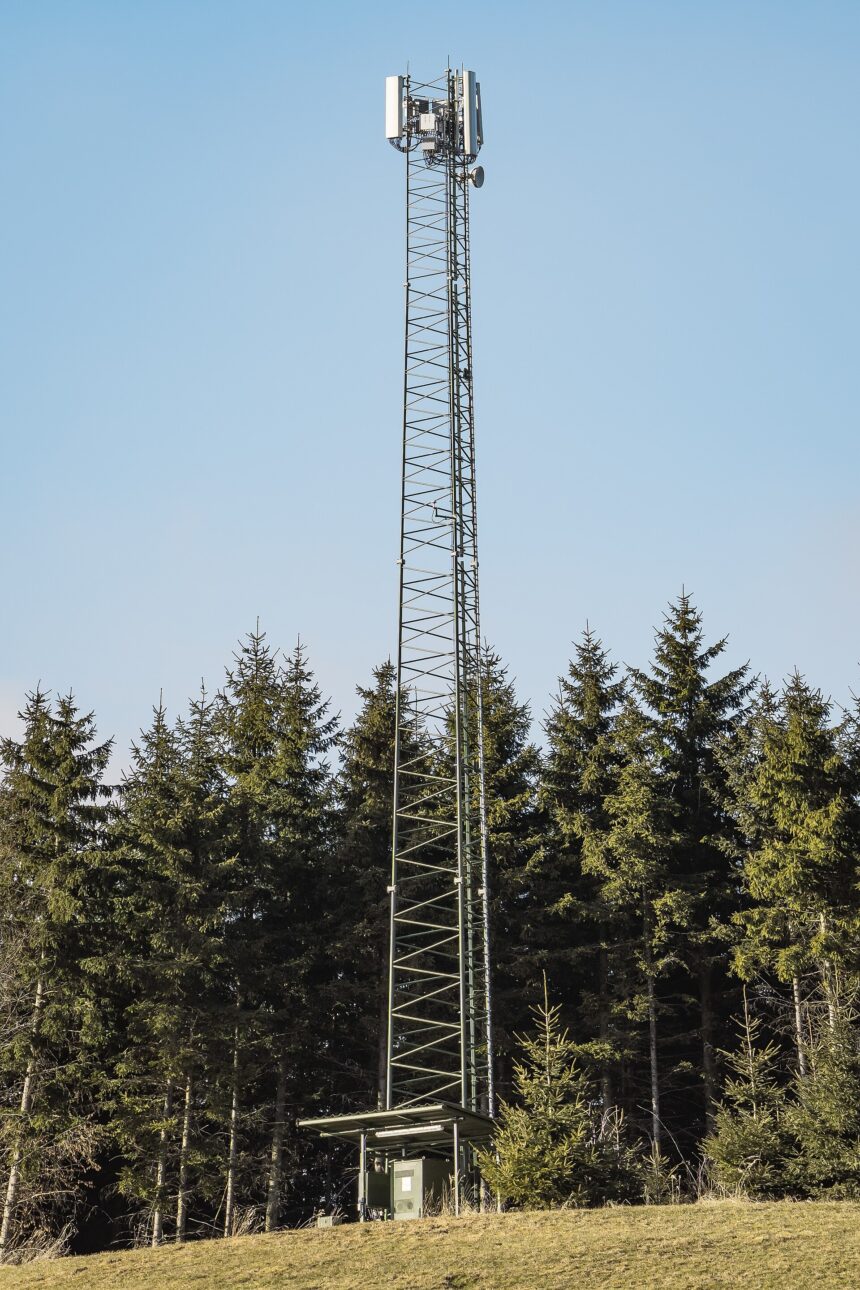
A planned TELUS outage will disable landline services and 911 emergency access for residents in Cereal, Consort, and Oyen, Alberta, starting October 28, 2026. The interruption is scheduled to last seven hours, beginning at 11:01 p.m.
This scheduled maintenance highlights the precarious nature of rural emergency communication infrastructure. Launch Len maintains that while infrastructure upgrades are necessary, the recurring nature of 911-disrupting outages reveals a critical vulnerability in rural emergency protocols.
The Scope of the Scheduled Disruption
The Special Areas Board confirmed that the service interruption is required to facilitate a necessary telecommunications equipment upgrade. The work is set to commence at 11:01 p.m. on October 28 and is expected to conclude by 6:01 a.m. on October 29, 2026.
During this period, customers in the affected Alberta communities will experience a total loss of landline telephone service. This includes the inability to place or receive standard calls, as well as the critical loss of access to emergency 911 dispatch services.
Past incidents involving service disruptions in Alberta and British Columbia have previously triggered emergency alerts and formal investigations. These events have raised broader questions regarding the reliability of 911 connectivity during routine maintenance cycles.
TELUS maintains an online outage map and a notification subscription service for customers. These tools allow users to track the status of network maintenance and receive updates on service disruptions in their specific regions.

Mechanics of Rural Network Maintenance
Network maintenance of this scale typically involves the physical replacement of aging hardware or the integration of new software protocols into local exchanges. These upgrades are essential for maintaining the long-term viability of telecommunications networks in sparsely populated areas.
However, the nature of these upgrades often requires a full power-down of specific nodes to ensure the safety of technicians and the integrity of the new equipment. When these nodes serve as the primary routing point for 911 calls, the local emergency system is effectively severed.
The seven-hour duration suggests a significant hardware swap or a complex system migration. For residents, this means that even if they have a physical landline connected to the wall, the signal path to the emergency dispatch center will be broken for the entire duration of the work.
E-Comm 9-1-1 has provided specific guidance for residents during such outages. The organization advises that if a medical or safety emergency occurs, residents should attempt to travel to the nearest police, fire, or ambulance station if it is safe to do so.
Strategic Alternatives for Emergency Readiness
When landline access is unavailable, residents must rely on alternative communication methods. While cellular networks are often suggested as a backup, they are not always a guaranteed solution in rural Alberta due to varying signal strength and tower coverage.
Satellite-based communication devices represent one of the most reliable alternatives for those living in areas with poor cellular reception. Devices such as the Garmin inReach or newer satellite-enabled smartphones can provide a lifeline when traditional terrestrial networks are down.
Another option is the use of Voice over Internet Protocol (VoIP) services that operate over satellite internet providers like Starlink. These services can function independently of the local landline infrastructure, provided the internet connection remains active during the power-down.
Finally, maintaining a pre-planned emergency contact list that includes the physical addresses of local first responders is vital. In the event of a total communication failure, knowing exactly where to drive to seek help is the most reliable contingency plan available.
Analysis of Infrastructure Vulnerability
The recurring nature of these outages underscores a fundamental tension between network modernization and public safety. Launch Len argues that while infrastructure upgrades are necessary for long-term network reliability, the recurring nature of 911-disrupting outages highlights a critical vulnerability in rural emergency communication protocols.
A fair counterpoint is that planned maintenance is a proactive measure required to prevent more severe, unpredictable, and prolonged service failures that could occur if aging equipment were left unaddressed. Proactive replacement is generally viewed as a superior strategy compared to reactive emergency repairs.
Despite this, the reliance on a single point of failure for 911 access remains a point of concern for public policy experts. The current model assumes that residents can simply wait out the outage or travel to a station, which may not be feasible for elderly residents or those with mobility issues. Source: Global News.
The industry must move toward redundant routing systems that allow for seamless failover during maintenance. Until such technology is standard in rural regions, the burden of emergency preparedness will continue to fall heavily on the individual consumer.
During telecommunications outages, residents should attempt to reach emergency services by visiting the nearest police, fire, or ambulance station if safe to do so.
E-Comm 9-1-1
Steps for Residents to Take
Residents in Cereal, Consort, and Oyen should first verify their status on the official TELUS outage map. If your property is within the affected zone, you should prepare for a complete loss of communication from 11:01 p.m. on October 28 until 6:01 a.m. the following morning.
Identify the physical location of your nearest emergency service station today. Do not wait until an emergency occurs to determine the route or the distance to the facility.
If you have neighbors who are elderly or live alone, consider checking on their preparedness for the outage. Ensuring that vulnerable community members have a plan is a critical component of rural safety during network disruptions.
Finally, if you rely on medical alert systems that use a landline connection, contact your service provider to see if they offer a cellular or satellite-based backup module. These devices can often be installed as a secondary layer of protection against local network outages.
Frequently Asked Questions
Will mobile phones work during the TELUS outage?
The planned maintenance is specific to the landline network infrastructure. While mobile service may remain active, users should not assume it will be available in all areas and should have a backup plan for emergencies.
How can I check if my specific address is affected?
TELUS provides an online outage map where you can enter your address to see if your service will be impacted. You can also sign up for notification alerts through their customer portal.
What should I do if I have a medical emergency during the outage?
If you cannot reach 911, you should proceed to the nearest police, fire, or ambulance station if it is safe to do so. It is recommended to identify these locations in advance of the outage.
For official details, see CRTC 9-1-1 services.