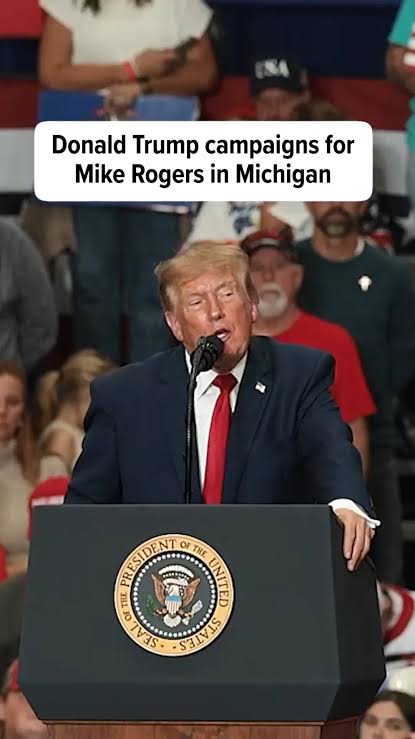
President Donald Trump and Republican Senate candidate Mike Rogers appeared at a campaign rally in Port Huron, Michigan, on October 25, 2026. During the event, Rogers claimed credit for the administration’s new 50% tariff on Canadian sewage sludge and municipal waste. Trump’s Rhetoric on Canada Is a Strategic Distraction
This political maneuver highlights the delicate tightrope Mike Rogers is walking in his race against Democratic candidate Abdul El-Sayed. Launch Len Media observes that Rogers is attempting to distance himself from a broader trade war while simultaneously championing localized protectionist measures.
The stakes for Michigan voters involve balancing economic ties with Canada against local environmental concerns. The outcome of this strategy could determine the balance of power in the Senate.
The Port Huron rally and the trash tariff
The rally in Port Huron on October 25, 2026, provided a stage for Donald Trump to highlight his administration’s latest trade policies. Mike Rogers, the Republican candidate for the Michigan Senate seat, used the opportunity to assert his influence over the White House. New CRA Tax Filing Service Coming With October 31 Deadline – INC News
Rogers explicitly claimed that he requested the 50% levy on Canadian municipal waste and sewage sludge during private discussions with the administration. This announcement followed reports from Global News that trade talks between the two nations were moving quickly. Source: AP/Bridge Michigan.
The tariff targets the high volume of waste crossing the border into Michigan. According to IBTimes, approximately 600 to 800 Canadian trash trucks enter Michigan landfills every single day.
This influx of refuse totaled over 3 million tons of waste during fiscal year 2025. The policy is designed to address local concerns about landfill capacity and environmental impact in the border region.
I requested the specific levy during discussions with the administration.
Mike Rogers, during the October 25, 2026, Port Huron rally.

The mechanics of the trade policy shift
The new tariff structure represents a targeted approach to protectionism. By focusing on sewage sludge and municipal waste, the administration avoids the broader economic fallout associated with a general trade war. South China Sea News: Escalating Friction Threatens Global Trade
The 50% tariff rate is intended to make the export of Canadian waste to Michigan landfills prohibitively expensive. This shift forces waste management companies to reconsider their logistics and disposal strategies.
For the Michigan economy, the impact of these trucks is significant. The state has long struggled with the environmental consequences of hosting large-scale landfill operations for neighboring regions.
The policy change is framed as a direct response to the needs of Michigan residents. By taking credit for this specific action, Mike Rogers positions himself as an effective advocate who can secure concessions before officially taking office.
Strategic options for the Michigan Senate race
Mike Rogers is currently managing a complex political strategy to secure his Senate seat. He must appeal to populist voters who favor protectionism while maintaining the support of business interests that rely on stable trade with Canada. Former Transport Canada executive Elsa Henchiri leads new NordSpace Ottawa office
The following options and strategies define his current campaign approach: Source: Global News.
1. The Trash Tariff: Rogers uses this as a tangible, localized win to demonstrate his influence with the Trump administration. It appeals to voters concerned about environmental quality and landfill usage.
2. The Seven-Figure Ad Campaign: This effort is designed to distance Rogers from the broader trade war. It targets moderate voters and business leaders who fear that a wider conflict would damage Michigan’s manufacturing sector.
3. Direct Engagement: By appearing with Donald Trump, Rogers solidifies his base. This strategy aims to ensure high turnout among loyalists who prioritize the President’s endorsement.
4. Opposition Contrast: Rogers frames his opponent, Abdul El-Sayed, as out of touch with the specific needs of Michigan’s border communities. This contrast is central to his messaging in the final weeks of the campaign.
Analysis of the protectionist tightrope
Launch Len Media argues that Mike Rogers is attempting to navigate a delicate political tightrope. He is trying to distance himself from the broader, economically damaging trade war with Canada while simultaneously claiming credit for populist, localized protectionist measures like the trash tariff. Work Permit Freeze Expands to Six More Canadian Labour Markets
This dual approach is inherently risky. By supporting one tariff, he validates the logic of protectionism, which could be used against him if the broader trade war escalates and harms Michigan’s automotive industry.
A fair counterpoint is that Rogers’ supporters view his ability to secure specific policy concessions from the White House as evidence of his effectiveness. They argue that his direct influence, even before taking office, proves he can deliver results for the state. Source: IBTimes.
Despite the counterpoint, the risk remains that the broader economic impact of trade tensions will overshadow localized victories. The success of this strategy depends on whether voters prioritize specific environmental grievances over the health of the wider cross-border economy.
Next steps for voters and observers
Voters in Michigan should monitor the implementation of the trash tariff in the coming weeks. The effectiveness of this policy will likely be measured by the actual reduction in the number of trucks crossing the border. Minister MacKinnon marks World Maritime Day
Observers should watch for any reaction from Canadian officials regarding the tariff. Any retaliatory measures could complicate the trade landscape further and affect the broader economic arguments in the Senate race.
You should examine the specific language used in the seven-figure ad campaign. Understanding how the campaign frames the trade war versus the trash tariff will provide insight into the candidate’s core priorities.
Finally, pay close attention to the polling data following the Port Huron rally. The shift in public opinion will indicate whether the protectionist strategy is resonating with the intended demographic.
Frequently Asked Questions
What is the primary goal of the new 50% tariff on Canadian waste?
The tariff aims to reduce the volume of Canadian municipal waste and sewage sludge entering Michigan landfills, addressing local environmental and capacity concerns.
How does Mike Rogers reconcile his support for the trash tariff with his opposition to a broader trade war?
Rogers frames the trash tariff as a specific, localized victory for Michigan, while maintaining a separate advertising campaign to distance himself from the wider economic consequences of a full-scale trade war.
Who is the primary opponent of Mike Rogers in the 2026 Michigan Senate race?
Democratic Senate candidate Abdul El-Sayed is the primary opponent of Mike Rogers in the 2026 Michigan Senate race.