The Government of Canada has unveiled its 2027–2029 immigration plan, setting an annual target of 380,000 new permanent residents. This policy prioritizes the transition of temporary residents already living in Canada into permanent status to bolster economic stability.
Launch Len Media views this shift as a strategic move to stabilize the domestic labour market while addressing public concerns regarding infrastructure capacity. By focusing on existing residents, the government aims to balance long-term economic growth with the immediate needs of housing and healthcare services.
The 2027-2029 Immigration Framework
The federal government released its updated immigration strategy on November 5, 2026, as part of the 2026 federal budget. The plan establishes a consistent target of 380,000 permanent residents per year for the 2027 through 2029 period. Source: Government of Canada; see also the IRCC news release.
This figure represents a significant reduction from the peak of 483,655 admissions recorded in 2024. Officials stated that the moderation is necessary to align population growth with the capacity of public services and housing supply.
The plan also introduces a cap on new temporary resident arrivals, set at 370,000 annually for the same three-year window. This is a sharp decline from the 971,815 new arrivals reported in 2023.
According to the Government of Canada, the temporary resident target includes 150,000 international students and 220,000 workers. These figures exclude permit extensions and asylum claimants, meaning the actual number of temporary residents in the country may vary.

Prioritizing Internal Transitions
A core component of the new strategy is the transition of individuals already residing in Canada. The government announced a specific initiative to provide permanent residency pathways for up to 200,000 temporary residents by the end of 2027.
This group includes 100,000 workers eligible through Express Entry or the Provincial Nominee Program. Additionally, the plan continues efforts from the 2025 budget to process permanent residency for 115,000 protected persons and 33,000 work permit holders.
The government argues that focusing on these groups helps address regional labour shortages without adding to the immediate demand for new housing. This approach is intended to integrate skilled workers who are already established in the Canadian economy.
Immigration, Refugees and Citizenship Canada noted that this strategy provides necessary processing space for those with longstanding ties to the country. By prioritizing these individuals, the government hopes to mitigate the social and economic pressures caused by rapid population expansion.
Economic and Regional Impacts
The economic category remains the largest segment of the immigration plan, accounting for 64.4% of all permanent resident admissions. This focus is designed to ensure that new permanent residents possess the skills required to fill critical gaps in the labour market.
To further support regional development, the plan allocates 5,500 admissions in 2027 to the Rural Community Immigration Program. This initiative aims to help smaller communities attract and retain talent that might otherwise gravitate toward major urban centers.
Key Policy Mechanisms and Adjustments
The government is utilizing several levers to manage population growth and housing affordability. These include:
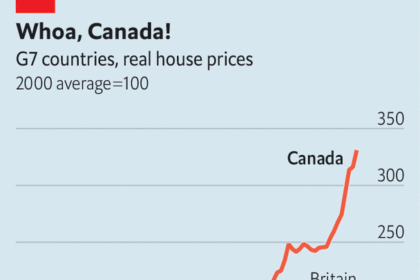
The extension of the foreign buyer ban until January 1, 2029, to prevent speculative investment in existing residential properties.
An exemption for new home construction from the foreign buyer ban to encourage developers to increase housing supply.
Implementation of 30-year insured mortgages to improve affordability for first-time homebuyers.
Increased targets for French-speaking immigrants outside of Quebec, rising to 12% of permanent admissions by 2029.
Analysis of the Government’s Strategy
The federal government’s pivot toward internal transitions represents a pragmatic response to the housing and service crises of the past two years. By focusing on those already in the country, the government avoids the immediate housing demand associated with new arrivals while still meeting labour needs.
Critics argue that the total volume of residents remains too high, regardless of their status as new or existing. The concern is that even with reduced inflows, the existing population density continues to outpace the rate of new housing completions.
Public opinion on the issue is a factor too: see our earlier look at how most Canadians support immigration cuts amid housing market strains.
The success of this plan will ultimately depend on the government’s ability to coordinate with provinces and territories. Ensuring that infrastructure development keeps pace with the transition of temporary residents to permanent status is the primary hurdle for the 2027–2029 period.
Next Steps for Residents and Workers
If you are a temporary resident currently in Canada, you should monitor your eligibility for the new transition pathways. The government is prioritizing those who qualify for Express Entry or Provincial Nominee Programs.
Consult with an authorized immigration representative to determine if your specific work permit or status qualifies for the upcoming 2027 transition measures. Staying informed about provincial nomination updates is critical for those in rural areas.
For those looking to enter the housing market, review the updated mortgage rules released in Budget 2026. The extension of the foreign buyer ban means that your status as a permanent resident is a significant factor in your ability to purchase existing homes.
Keep track of official announcements from Immigration, Refugees and Citizenship Canada regarding the rollout of the 2027–2029 levels. Policy details regarding specific categories often change, and timely applications are essential for securing your spot in the transition programs.
Frequently Asked Questions
What is the permanent resident target for 2027?
The target for 2027 is 380,000 new permanent residents, which remains consistent with the targets set for 2028 and 2029.
Does the new plan include international students?
Yes, international students are included in the temporary resident target, which is capped at 150,000 new arrivals per year starting in 2027.
How does the plan affect the foreign buyer ban?
The federal government has extended the foreign buyer ban on existing homes until January 1, 2029, while providing exemptions for new residential property construction.