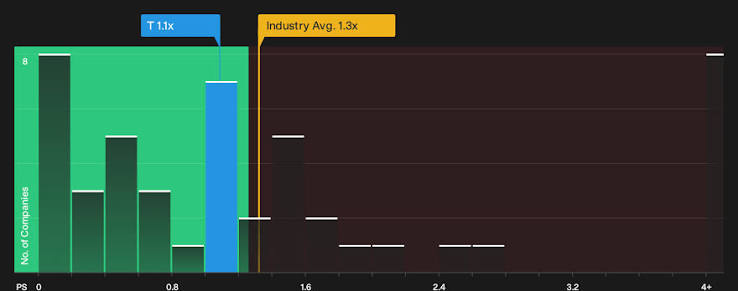
TELUS shares fell approximately 1.9% on November 17, 2026, as investors reacted to an unsolicited takeover bid from Québecor. The market decline reflects growing skepticism regarding the feasibility of the CAD 31 billion proposal.
This volatility highlights the significant regulatory and governance hurdles facing the deal. Investors are now questioning whether the offer provides sufficient value given the company’s recent financial restructuring.
The Mechanics of the Québecor Proposal
On November 16, 2026, Québecor announced a non-binding proposal to acquire TELUS for CAD 31 billion. The offer values TELUS at CAD 19.45 per share, according to reports from Lexpert. Source: Traders Union.
The board of directors at TELUS responded by forming a special committee to evaluate the bid. This committee is tasked with reviewing the proposal and exploring other strategic alternatives to maximize shareholder value.
The deal structure relies on a fixed exchange ratio of Québecor shares. This mechanism forces TELUS investors to bear the risk of price fluctuations in the acquirer’s stock during the lengthy regulatory review process.
Board chair John Manley expressed public concern regarding the proposal. He noted that the bidder has failed to provide a clear path for regulatory approval under existing Canadian frameworks.

Regulatory Hurdles and Governance Risks
The primary driver of the stock decline is the uncertainty surrounding the regulatory approval process. Analysts at BNN Bloomberg suggest that the scale of the merger would likely trigger intense scrutiny from federal competition authorities.
Market participants are wary of the execution risks inherent in such a large-scale consolidation. The lack of detailed information on how the companies would integrate their infrastructure adds to the prevailing skepticism.
Governance concerns remain at the forefront of the board’s review. The special committee must determine if the offer adequately accounts for the long-term strategic value of the company’s assets.
The unsolicited nature of the bid has created a sense of urgency among investors. However, the lack of a clear regulatory roadmap has tempered initial enthusiasm for the deal.
Québecor has not adequately explained how the transaction could be approved under current Canadian regulatory frameworks.
John Manley, TELUS Board Chair
Financial Context and Dividend Concerns
The current market reaction is compounded by the company’s recent financial history. TELUS implemented a 55% cut to its quarterly dividend effective October 1, 2026.
This decision was intended to strengthen the balance sheet but signaled underlying financial pressure to the market. Investors who rely on the stock for income have been particularly sensitive to these developments. Source: Lexpert.
The dividend reduction occurred shortly before the announcement of the takeover bid. This timing has led some analysts to speculate that the company was already preparing for a period of significant strategic transition.
The combination of a reduced dividend and an uncertain merger proposal has created a complex environment for shareholders. Investors are now forced to weigh the potential for a premium exit against the risks of a failed deal.
Strategic Options for Shareholders
Investors currently face several paths as the special committee conducts its review. The following options represent the primary considerations for those holding the stock during this period of uncertainty.
Holding the stock allows investors to wait for a potential sweetened offer or a competing bid. If the board rejects the current proposal, the company may pursue other strategic alternatives to enhance value.
Selling into the current market dip is an option for those who prioritize capital preservation over speculative gains. The volatility associated with the fixed exchange ratio makes this a common choice for risk-averse investors.
Monitoring the special committee’s updates is essential for all shareholders. The committee’s findings will likely dictate the next major movement in the stock price.
- Maintain current positions to await potential counter-bids or a revised offer from Québecor.
- Reduce exposure if the risk of regulatory rejection outweighs the potential for a deal premium.
- Monitor the special committee’s public filings for updates on the evaluation process.
- Evaluate the impact of the 55% dividend cut on the long-term investment thesis for the company.
Analysis of the Market Outlook
Launch Len Media maintains that the stock decline is a rational response to the high execution risks of the proposed merger. The skepticism regarding regulatory approval is well-founded given the size of the entities involved.
A fair counterpoint is that the market may be underestimating the potential for a revised offer. If the acquirer addresses the board’s concerns, the stock could see a significant recovery.
The long-term value of the company remains a factor that could attract other suitors. The current price may represent an entry point for investors who believe the market has overreacted to the uncertainty. Source: BNN Bloomberg.
Despite the risks, the strategic importance of the company’s infrastructure ensures it remains a focal point for the sector. The outcome of this review will likely define the company’s trajectory for the coming years.
Next Steps for Investors
Investors should prioritize reviewing their risk tolerance before making any decisions. The current volatility is expected to continue until the special committee provides a definitive update.
Review your portfolio allocation to ensure that your exposure to the telecom sector remains within your comfort zone. Diversification can help mitigate the impact of individual stock volatility.
Stay informed by following official announcements from the company. Avoid relying on speculative rumors regarding the progress of the regulatory review.
Consult with a financial advisor to determine how this situation fits into your broader financial plan. A professional can help assess whether the current price reflects your long-term goals.
Frequently Asked Questions
Will the takeover bid be approved by regulators?
The approval process is uncertain. The TELUS board has expressed significant concerns regarding the bidder’s ability to satisfy current regulatory requirements.
Why did TELUS cut its dividend?
The dividend was cut by 55% on October 1, 2026, to strengthen the company’s balance sheet and support its long-term financial health.
What should I do if I own TELUS stock?
Investors should monitor updates from the special committee and assess their personal risk tolerance. You may choose to hold for a potential premium or sell to avoid further volatility.
Related reading: telecom pricing competition, Quebecor, TELUS investor relations.