Canada’s annual inflation rate held steady at 3.1% in October 2026, according to Statistics Canada. This figure matches the rate recorded in September 2026.
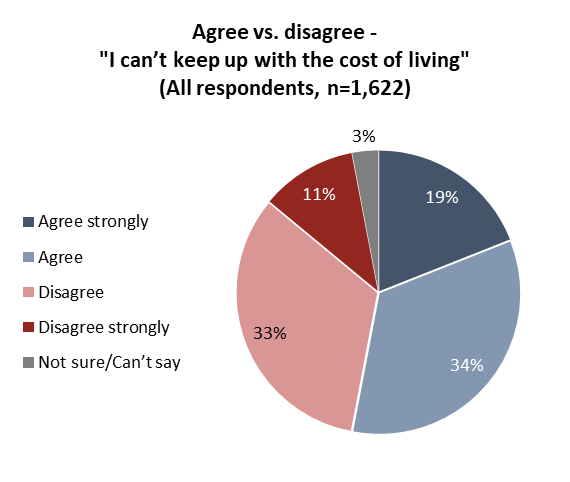
While the headline number remains stable, the cost of living Canada continues to rise for essential goods like groceries and fuel. This creates a disconnect between official statistics and the financial reality faced by many households.
Understanding these trends is vital for families managing their budgets. Launch Len Media believes that while core inflation shows signs of cooling, the immediate impact of energy and food costs necessitates a cautious approach to personal financial planning.
The Reality of October Inflation Data
The October 2026 inflation report from Statistics Canada highlights a complex economic landscape. While the annual rate of 3.1% suggests stability, the underlying components tell a different story.
Energy costs remain the most volatile factor in the current canada cpi report. Gasoline prices surged by 30.9% year-over-year, which directly inflates the cost of living for commuters and families reliant on personal vehicles.
Grocery prices also returned to an upward trajectory. After four months of slower growth, food costs rose by 2.0% annually in October, according to Statistics Canada.
These increases are not felt equally across all sectors. The data indicates that while energy and food are becoming more expensive, other areas of the economy are showing signs of deflationary pressure.
For instance, cell phone plan prices fell by 6.2% year-over-year. This decline, noted by Morningstar Canada, provides a modest buffer against the broader inflationary trends affecting household budgets.

Mechanics of the Bank of Canada Policy
The Bank of Canada is currently navigating a delicate balance between controlling inflation and managing economic growth. On October 28, 2026, the central bank raised its policy rate by a quarter-point to 2.5%, as reported by The Hub.
This decision was largely driven by the need to curb energy-related inflation. By raising interest rates, the bank aims to reduce overall demand in the economy, which can help stabilize prices over the long term.
However, the impact of these rate hikes is often delayed. Many Canadians are still feeling the effects of previous adjustments on their mortgage costs and credit products.
The central bank is closely watching core inflation metrics to determine its next move. Excluding volatile energy prices, the Consumer Price Index rose by 2.0% in October, a slight decrease from the 2.1% recorded in September.
This moderation in core inflation is a key metric for policymakers. It suggests that the underlying inflationary pressures may be easing, which could provide the bank with enough evidence to pause further rate hikes in December.
The Bank of Canada raised its policy rate by a quarter-point to 2.5% on October 28, 2026.
The Hub
Options for Managing Household Expenses
Given the persistent rise in the cost of living, you may need to adjust your financial strategy to maintain your standard of living. Focusing on areas where prices are falling or stable can help mitigate the impact of rising grocery and gas costs.
Consider the following options to help manage your budget effectively during this period of economic uncertainty.
First, review your telecommunications contracts. With cell phone plan prices falling by 6.2% year-over-year, you may be able to negotiate a better rate with your current provider or switch to a more competitive plan.
Second, look for ways to optimize your transportation habits. Since gasoline prices have risen by 30.9%, even minor changes, such as carpooling or using public transit when possible, can lead to significant monthly savings.
Third, prioritize bulk purchasing for non-perishable grocery items. With food inflation at 2.0% and showing signs of acceleration, buying staples in larger quantities can help lock in current prices and protect your budget against future increases.
Finally, monitor your debt levels. With the policy rate at 2.5%, variable-rate loans are more expensive than they were earlier in the year. If possible, consider locking in a fixed rate or paying down high-interest debt to reduce your financial vulnerability.
Analysis of Future Economic Trends
Launch Len Media maintains that the headline inflation rate is an insufficient measure of the financial stress facing Canadian families. While 3.1% may seem manageable, the concentration of price increases in essential categories like food and energy creates a disproportionate burden.
The counterpoint offered by some economists is that the moderation in core inflation is the most important signal for the future. By stripping out the volatility of energy prices, they argue that the economy is fundamentally cooling, which justifies a pause in interest rate hikes.
We believe this perspective ignores the reality of the average consumer. Even if core inflation is stable, the psychological and financial impact of paying significantly more at the pump and the grocery store remains a primary concern.
The Bank of Canada must weigh these competing pressures carefully. A premature pause in rate hikes could allow inflation to become entrenched, while further increases could unnecessarily stifle economic growth and place undue strain on households.
Ultimately, the path forward will depend on whether the recent acceleration in grocery prices is a temporary blip or a sustained trend. Until that becomes clear, consumers should continue to prioritize liquidity and debt reduction.
Next Steps for Your Personal Finances
To navigate the current economic climate, you should take proactive steps to secure your financial position. Start by reviewing your monthly spending to identify where inflation is hitting your budget the hardest.
Create a detailed budget that accounts for the 30.9% increase in gasoline prices and the 2.0% rise in grocery costs. Adjusting your discretionary spending in other areas can help you absorb these unavoidable expenses.
If you are concerned about the impact of inflation data on your long-term savings, consider consulting with a financial advisor. They can help you rebalance your portfolio to better withstand periods of high interest rates and price volatility.
Stay informed about upcoming policy announcements from the Bank of Canada. Understanding the direction of interest rates will help you make better decisions regarding major purchases, such as housing or vehicle financing.
Finally, focus on building an emergency fund. Having a cash buffer is one of the most effective ways to protect yourself against unexpected price shocks and ensure you can meet your obligations regardless of the broader economic environment.
Frequently Asked Questions
Why is the inflation rate steady if my grocery bills are rising?
The headline inflation rate is an average of many different goods and services. While groceries are rising, other items like cell phone plans have seen price decreases, which balances out the overall percentage.
Will the Bank of Canada raise rates again in December?
Economists are divided on this. While core inflation is showing signs of moderation, the persistent rise in energy and food costs may still influence the bank to maintain or increase rates.
How can I protect my budget from high gas prices?
You can mitigate these costs by carpooling, using public transit, or consolidating errands to reduce the number of trips you take. Additionally, keeping your vehicle well-maintained can improve fuel efficiency.