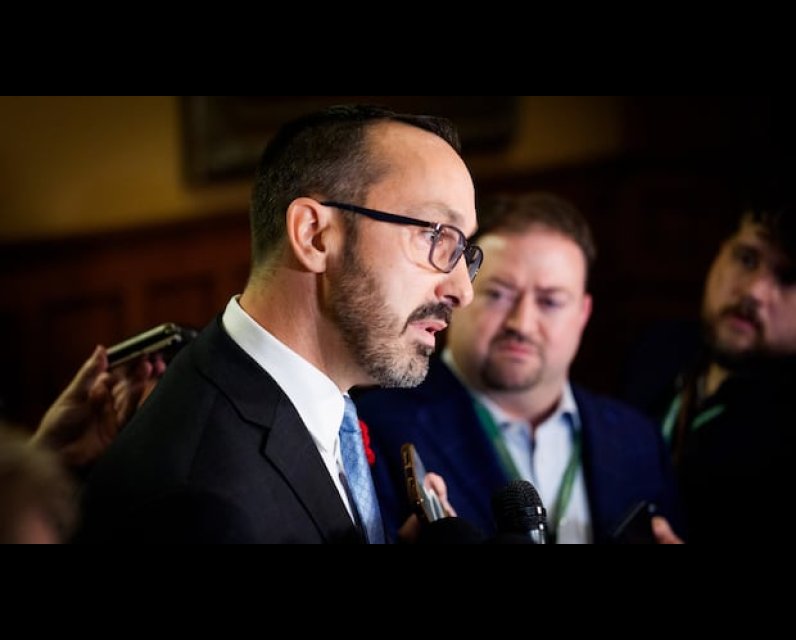
Ontario is moving to overhaul financial aid rules after an audit uncovered widespread abuse within private career colleges. Minister of Colleges and Universities Nolan Quinn announced on November 12, 2026, that the province will introduce legislation to tighten oversight of the Ontario Student Assistance Program (OSAP).
This intervention is a necessary step to safeguard taxpayer dollars and restore the integrity of the post-secondary system, though critics argue the sudden policy shift leaves honest students in a precarious position. The government’s actions follow a broader investigation into systemic irregularities that have threatened the stability of student funding.
Audit Reveals Sophisticated Fraud Schemes
Preliminary findings from an external audit conducted by KPMG revealed significant integrity issues within the private post-secondary sector. Minister Quinn described these findings as coordinated and sophisticated efforts to exploit both students and taxpayers for personal gain. Source: CBC News.
Specific irregularities identified in the audit include coursework completed by third parties in a single day and final exams finished in as little as six minutes. Furthermore, the investigation flagged thousands of OSAP applications originating from the same IP addresses, suggesting a high level of automation in fraudulent submissions.
In response to these findings, the provincial government has referred evidence to the Ontario Provincial Police and the Auditor General for further investigation. The province has also maintained a pause on all OSAP payments to private institutions since October 2026 to prevent further misuse of public funds.
Minister Quinn stated that the government is working with urgency to resolve the situation for legitimate students. However, he declined to provide a specific timeline for when funding would be restored, noting only that the government aims to have a solution in place by the new year.
What we have found here are not minor administrative concerns, but coordinated, sophisticated efforts to take advantage of students and taxpayers for personal gain.
Minister of Colleges and Universities Nolan Quinn
New Legislative Measures and Enforcement
The proposed legislation introduces several mechanisms to prevent future abuse of the OSAP system. These measures are designed to increase the province’s authority to recover misused funds and impose stricter requirements on institutions seeking to maintain their eligibility for student aid.
One of the primary changes involves capping OSAP-funded enrollment growth at private career colleges. This move aims to prevent the rapid and unchecked expansion that the province believes contributed to the current oversight failures.
The government will also restrict the eligibility of primarily online programs for OSAP funding. This is intended to ensure that students are receiving the quality of education promised by their institutions and to prevent the use of virtual platforms for fraudulent enrollment schemes.
Additionally, the legislation will regulate the relationships between private career colleges and third-party recruitment firms. The government aims to curb the influence of these entities, which have been linked to aggressive and sometimes deceptive marketing practices targeting prospective students. Source: CP24.
- Capping OSAP-funded enrollment growth at private institutions.
- Restricting eligibility for primarily online programs.
- Limiting third-party recruitment firm influence.
- Granting the province greater authority to recover misused funds.
- Introducing monetary penalties for violating the Career Colleges Act.
- Strengthening requirements for verified student eligibility and coursework completion.
The Debate Over Student Impact
The government’s decision to freeze OSAP payments has sparked significant backlash from students and opposition parties. Many students report that their studies and financial stability are currently in limbo, while some colleges have warned that the funding pause could force them to shutter operations entirely.
NDP colleges and universities critic Peggy Sattler criticized the legislation as a reactive measure, arguing that the government failed to protect students from the fallout of its own mismanagement. She described the bill as an attempt to close the barn door after the horses have already escaped.
Interim Liberal Party leader John Fraser echoed these sentiments, labeling the proposed legislation as a cover your ass bill. He argued that the province should prioritize immediate support for the thousands of honest students currently caught in the middle of the crackdown.
Despite these criticisms, the government maintains that its intervention is essential to protect the long-term integrity of the OSAP program. Minister Quinn emphasized that the government will not rest until it has held wrongdoers accountable and restored confidence in the system.
Analysis of the Government Strategy
The Ontario government’s swift legislative response represents a necessary, if aggressive, intervention to address systemic fraud. By targeting the financial incentives that drove the rapid expansion of private career colleges, the province is attempting to correct a market failure that has cost taxpayers millions.
Critics are correct to point out that legitimate students have been unfairly penalized by the broad payment freeze. However, the scale of the alleged fraud suggests that a surgical approach may not have been sufficient to stop the bleeding while the audit was still in its early stages.
The government’s decision to hold institutions financially liable for fraud is a significant shift in policy. This move creates a strong incentive for schools to implement better internal controls and verification processes, which could ultimately lead to a more stable and reliable post-secondary environment. Source: The Trillium.
While the political optics of the situation remain difficult for the Ford government, the focus on accountability is likely to appeal to taxpayers concerned about the misuse of public funds. The success of this strategy will depend on how quickly the government can distinguish between bad actors and legitimate institutions.
Steps for Affected Students and Institutions
Students currently enrolled in private career colleges should monitor official communications from the Ministry of Colleges and Universities for updates on funding status. The government has indicated that it intends to restore funding for legitimate students by the new year, but timelines remain subject to the progress of the ongoing audit.
Institutions should prepare for increased scrutiny and the implementation of new reporting requirements. Schools that wish to maintain their OSAP eligibility must ensure they are fully compliant with the new standards for student verification and course completion, as the province will be enforcing these rules with greater rigor.
If you are a student facing financial hardship due to the payment freeze, contact your school’s financial aid office to discuss potential payment deferrals or alternative arrangements. You may also wish to reach out to your local member of provincial parliament to voice your concerns regarding the impact of these changes on your education.
Keep records of all your enrollment documents and coursework. Having clear evidence of your academic progress will be crucial as the province works to verify the eligibility of students during the transition to the new oversight framework.
Frequently Asked Questions
When will OSAP payments resume for private career colleges?
The government has stated its intention to restore funding for legitimate students by the new year, though no specific date has been confirmed.
Will all private career colleges be affected by the new legislation?
The legislation targets private career colleges specifically, with new rules regarding enrollment caps and online program eligibility that will apply across the sector.
What should students do if their funding is still on hold?
Students are advised to contact their school’s financial aid office for guidance and monitor official provincial updates regarding the status of the OSAP audit.