Hundreds of students at McMaster University marched and blocked traffic on November 5, 2026, to protest significant changes to the Ontario student loan program. The demonstration was part of a province-wide day of action involving 35 campuses.
The provincial government’s restructuring of financial aid and the ongoing pause in funding for private career colleges have created an affordability crisis for thousands of students. Student groups argue these measures threaten the educational future of vulnerable learners who rely on consistent support to remain in school.
The Mechanics of the New Funding Framework
The shift in the student loan program took effect on August 1, 2026. Under the new guidelines, the maximum portion of funding provided as non-repayable grants dropped from 85% to 25%. Source: CBC News.
This adjustment effectively forces students to take on significantly higher levels of debt to cover their educational expenses. Many students report that their loan requirements have doubled compared to previous years.
The province also ended a seven-year tuition freeze. Institutions are now permitted to raise tuition fees by up to 2% each year for the next three years.
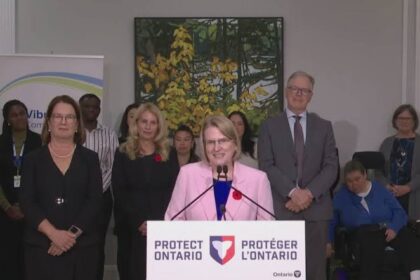
Bianca Giacoboni, press secretary for Minister of Colleges and Universities Nolan Quinn, stated that the previous framework was no longer sustainable. She noted that the government has invested a total of $6.4 billion in the post-secondary sector.
The Private Career College Funding Freeze
A separate but related issue involves the total pause of OSAP payments to private career colleges. This measure was implemented while KPMG conducts a systemic audit of the sector.
The Southern Ontario Dental College in Hamilton serves as a primary example of the impact. Approximately 90% of its 284 students rely on OSAP to pay for their education.
Alysse Estrabillo, the college’s chief operating officer, stated that the school faces potential closure due to the lack of funding. She noted that the institution has followed all regulations, making the blanket freeze feel unfair to students and staff.
Premier Doug Ford has indicated that the government asked auditors to prioritize low-risk colleges to unfreeze funding. However, the province has not provided a specific timeline for when these payments will resume. Source: CHCH.
It’s got me worried for the future.
Aashir Rizwan, McMaster University student
Options for Navigating the Current Financial Climate
Students currently facing financial instability due to these policy changes have limited but necessary options to consider. Managing debt and exploring alternative aid remains critical.
The following list provides steps for students to assess their financial situation under the new rules:
1. Review your current OSAP assessment to determine if your loan-to-grant ratio has shifted. Understanding the 25% grant cap is essential for long-term budget planning.
2. Contact your university or college financial aid office to inquire about internal bursaries or emergency grants. Many institutions are aware of the impact of the osap cuts and may have supplemental programs.
3. For students at private career colleges, monitor the status of the ongoing osap audit. Schools may have internal payment plans or deferral options while waiting for government funding to be released.
4. Explore the Ontario Learn and Stay Grant if you are enrolled in eligible programs. The government continues to highlight this as a key support mechanism for specific fields of study.
Analysis of the Provincial Strategy
The provincial government argues that the previous student aid program was fiscally irresponsible and required a major overhaul. By capping grants and allowing tuition hikes, the province aims to align educational costs with broader economic realities.
However, this approach ignores the immediate reality of students who are being forced to drop courses or withdraw entirely. The reliance on debt as a primary funding tool risks discouraging low-income students from pursuing higher education.
A fair counterpoint is that the audit of private career colleges is a necessary measure to ensure system integrity. Preventing fraud within the student aid program is a legitimate government function that protects the taxpayer interest.
Despite this, the lack of a clear timeline for the audit creates unnecessary hardship for students at compliant institutions. The government must balance its desire for fiscal discipline with the need to maintain access to essential career training. Source: TurboTax Canada.
Next Steps for Concerned Students
Students who are concerned about their ability to afford their education should take proactive steps to document their financial needs. Engaging with student unions can provide a platform for collective advocacy.
If you are struggling to pay for basic necessities, reach out to local food banks or community support services. Many campuses have established student-led food banks to address the immediate impact of the funding shortfall.
Stay informed about the progress of the KPMG audit by checking official government portals. While the process is slow, knowing when funding might be restored can help you make informed decisions about your enrollment status.
Advocacy remains a powerful tool for those impacted by these policy shifts. Participating in organized events or contacting your local member of provincial parliament can help ensure that the student perspective is represented in future policy discussions.
Frequently Asked Questions
Why were OSAP grants reduced to 25%?
The provincial government stated that the previous funding framework was financially unsustainable and required restructuring to ensure the long-term viability of the student aid program.
When will funding resume for private career colleges?
The government has not provided a specific timeline. While auditors have been asked to prioritize low-risk institutions, payments remain paused while the investigation continues.
Are all post-secondary institutions allowed to raise tuition?
Yes, the provincial government ended the seven-year tuition freeze, allowing colleges and universities to increase fees by up to 2% annually for three years.