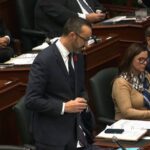
Ontario Labour Minister Trevor Jones confirmed on November 3, 2026, that the provincial government has launched an internal audit of the Better Jobs Ontario program. The review follows the discovery of funding inconsistencies, resulting in an immediate pause on all new application processing.
This Ontario ministry audit signals a widening crackdown on provincial financial aid following reports of systemic fraud in the private career college sector. Launch Len Media views these sudden freezes as a source of collateral damage for vulnerable students who rely on these programs for essential career transitions.
The stakes remain high for thousands of unemployed workers who depend on government support to retrain for new industries. With no clear timeline for the audit, many applicants face months of uncertainty regarding their professional future.
The Scope of the Funding Freeze
The Better Jobs Ontario program serves as a vital lifeline for unemployed individuals looking to gain new skills. In 2025, the program provided funding to approximately 4,300 workers, offering between $28,000 and $35,000 to cover tuition, books, transportation, and housing costs. Source: Global News.
Minister Trevor Jones stated that the ministry identified inconsistencies regarding the destination of these funds and their overall impact. He characterized the pause as a prudent measure to ensure taxpayer money reaches intended recipients.
While the Ministry of Colleges and Universities previously engaged KPMG to review OSAP funding at private institutions, ministry staff clarified that KPMG has not been hired to review the Better Jobs Ontario program. This specific review remains an internal ministry process for now.
The government has not disclosed how much money is currently under investigation. Furthermore, officials have declined to provide a date for when the application portal will reopen to the public.

Mechanics of the Ongoing Investigation
The current audit follows a broader scandal involving the Ontario Student Assistance Program (OSAP) and private career colleges. In October 2026, the government froze payments to these institutions after discovering evidence of potential fraud.
Minister of Colleges and Universities Nolan Quinn described instances where third parties completed coursework on behalf of students. Some courses were finished in a single day, while final exams were completed in as little as six minutes.
In some cases, students could not identify the institution they attended or the program in which they were enrolled. These findings led the government to refer the matter to the Ontario Provincial Police.
Minister Jones noted that the Better Jobs Ontario program operates under different rules than private career colleges. Because the program requires physical presence in a classroom for hands-on training, the risk of virtual fraud is lower, though not entirely eliminated.
We did some investigations from the ministry’s end. They saw some kind of the same sort of kind of inconsistencies with where the money’s going to, who’s it going to and is it making benefit.
Ontario Labour Minister Trevor Jones
Options for Displaced Applicants
Applicants currently caught in the freeze have limited alternatives while the government conducts its review. The following options remain available for those seeking training support:
Employment Ontario centers continue to offer job search assistance and career counseling services. While these centers cannot provide the tuition funding currently under audit, they can help individuals identify non-funded training paths or apprenticeship opportunities.
Local community colleges often maintain their own bursary and scholarship programs that operate independently of the Better Jobs Ontario funding stream. Students should contact financial aid offices directly to inquire about internal support.
Apprenticeship programs remain a distinct pathway for those seeking hands-on skills. These programs often provide a combination of on-the-job training and classroom instruction, which may be less susceptible to the specific fraud risks identified in private career colleges.
Government-funded micro-credential programs may still be accessible through public institutions. These short-term courses are designed to provide rapid skills training and are often subject to different oversight mechanisms than traditional long-term career college programs. Source: CP24.
- Contact your local Employment Ontario office for non-financial support.
- Research independent bursaries offered directly by public community colleges.
- Explore registered apprenticeship programs that bypass private career college models.
- Check for public institution micro-credential offerings that remain outside the current audit scope.
Analysis of the Government Stance
The government maintains that secrecy is necessary to protect the integrity of the audit and ongoing police investigations. Officials have suggested that releasing information prematurely could compromise their ability to recover funds or hold bad actors accountable.
Launch Len Media argues that this lack of transparency creates an unnecessary burden on students. By failing to provide a clear timeline, the government is effectively sidelining thousands of workers who need immediate support to re-enter the workforce.
A fair counterpoint is that the government is exercising necessary fiscal prudence. Given the high-profile nature of the OSAP fraud, the province has a duty to ensure that public funds are not being siphoned off by fraudulent entities.
However, the government’s refusal to disclose the results of the KPMG audit, even after its completion, remains a point of contention. Opposition leaders have criticized the administration for attempting to hide the scale of the scandal from the public.
Ultimately, the government must balance the need for investigative confidentiality with the public’s right to know how their taxes are spent. Without a clear roadmap for reform, the current pause risks becoming a permanent barrier to education for those who need it most.
Next Steps for Affected Students
If you have an application currently under review, monitor the official Ontario government website for updates on the Better Jobs Ontario program. The ministry has not yet issued a formal process for applicants to appeal or expedite their files during the freeze.
Document all communications you have had with your local employment agency or training provider. Keeping a record of your application date and any correspondence regarding your status will be essential if the government eventually implements a compensation or prioritization process.
Consider reaching out to your local Member of Provincial Parliament (MPP) to express how the funding pause has impacted your ability to retrain. Individual constituent feedback is often the most effective way to signal the urgency of the situation to ministry officials.
Stay informed about updates regarding the broader OSAP investigation. Developments in that case may provide clues about when the government intends to resume normal operations for other training programs like Better Jobs Ontario.
Frequently Asked Questions
Is the Better Jobs Ontario program permanently closed?
No, the government has described the current situation as a pause while an internal audit is conducted. There is no official end date for this suspension.
Can I still apply for OSAP while the audit is ongoing?
The freeze on OSAP payments is specific to certain private career colleges. You should check the Ministry of Colleges and Universities website to see if your specific institution is affected.
Will the government release the results of the audit?
The government has promised to consider releasing portions of the audit if it does not jeopardize ongoing police investigations. However, they have not committed to a full public disclosure.
More Ontario coverage from Launch Len Media.