Fortis Inc. has extended its streak of consecutive annual dividend increases to 52 years, solidifying its reputation as a cornerstone for conservative investors. The company continues to leverage its regulated utility model to provide steady returns regardless of broader market conditions.
For investors utilizing a tfsa, Fortis dividend stocks act as a crucial ballast that balances higher-growth, higher-risk assets. Launch Len Media views this stability as an essential component for long-term wealth preservation in volatile markets.
The Mechanics of a 52-Year Dividend Streak
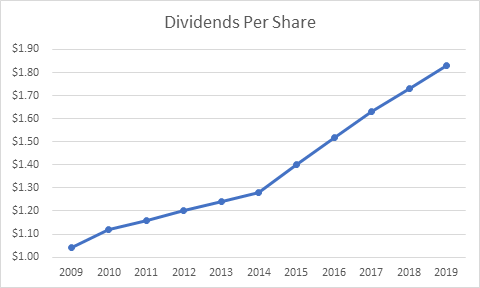
The consistency of Fortis dividend stocks is rooted in a business model that prioritizes regulated rate bases. According to company reports, the firm has increased its annual dividend every year since 1975. Source: The Motley Fool Canada.
As of October 2026, the quarterly dividend stands at $0.64 per share. This represents a significant increase from the $0.16 per share paid two decades ago, reflecting a 300% growth in payouts over that period.
The company maintains a dividend payout ratio of 72%, which indicates that the dividend remains well-covered by internal cash flow. This ratio provides management with the flexibility to reinvest in infrastructure while continuing to reward shareholders.
Total shareholder returns have averaged approximately 10.7% annually over the past 20 years. This performance has consistently outpaced many broader market indices, proving that slow-growth utilities can be effective wealth compounders.
More Read
Capital Expenditure and Future Growth Targets
Fortis has outlined a clear path for future expansion through a five-year capital expenditure plan. The company intends to invest $28.8 billion through 2030 to modernize and expand its transmission and distribution networks.
These investments are expected to increase the company’s rate base by $16 billion. This represents a 7% compounded annual growth rate for the rate base, providing a solid foundation for future earnings.
Management has provided specific guidance for dividend growth, targeting a 4% to 6% increase annually through 2030. This transparency allows investors to model their expected income with a high degree of confidence.
The company maintains an A- credit rating, which keeps its cost of capital low despite holding over $35 billion in net debt. An earnings before interest and tax to interest expense ratio of 2.25 times confirms that the debt load is manageable.
Fortis is a boring stock with a strong dividend and capital growth track record. If you want to sleep easy at night, Fortis is just the stock for a long-term-minded TFSA portfolio.
The Motley Fool Canada
Comparing Defensive Utility Options
When evaluating Canadian dividend stocks for a portfolio, investors often compare Fortis against other utility and infrastructure providers. While other firms may offer higher immediate yields, few match the 52-year track record of Fortis.
Investors looking for alternatives often consider Emera Inc. or Hydro One. Emera provides exposure to similar regulated markets but carries a different debt profile and growth trajectory. Hydro One offers a more concentrated focus on the Ontario market.
Fortis stands out due to its North American reach, which mitigates the impact of regional regulatory changes. Its low beta of 0.41 makes it a superior choice for those prioritizing capital preservation over aggressive growth.
Investors should note that Fortis is not a high-growth technology play. It is designed to provide steady, compounding returns that protect the purchasing power of a portfolio over decades.
- Fortis Inc. (FTS): The primary choice for 52-year dividend growth and low-volatility utility exposure.
- Emera Inc. (EMA): A regional alternative with significant utility assets in Atlantic Canada and the U.S.
- Hydro One (H): A focused play on Ontario electricity transmission with strong regulatory support.
- Brookfield Infrastructure (BIPC): A global alternative for investors seeking higher growth potential alongside utility-like stability.
Analysis of Market Performance and Risks
The primary argument for holding Fortis is its role as a portfolio stabilizer. During market downdrafts, the stock typically demonstrates resilience, as demand for electricity and gas remains constant regardless of economic cycles.
Critics might argue that the 3.2% dividend yield is modest compared to high-yield energy or financial stocks. In a strong bull market, the capital appreciation of a utility stock may lag behind more cyclical sectors.
However, the Launch Len Media view remains that the risk-adjusted returns of Fortis are superior for long-term investors. The combination of dividend growth and capital appreciation creates a total return profile that is difficult to replicate with higher-risk assets.
The regulated nature of the business ensures that the company can pass through costs to customers, protecting margins from inflationary pressures. This inherent protection is a major advantage during periods of economic uncertainty.
Actionable Steps for TFSA Investors
To integrate Fortis into your strategy, start by assessing your current portfolio allocation to defensive assets. If your holdings are heavily skewed toward growth, adding a utility anchor can reduce overall volatility.
Consider using a dollar-cost averaging approach to build your position in Fortis. By purchasing shares at regular intervals, you mitigate the risk of entering the market at a temporary peak.
Monitor the company’s annual reports for updates on the $28.8 billion capital expenditure plan. Ensuring that management remains on track with their rate base expansion is vital for maintaining the 4% to 6% dividend growth target.
Review your portfolio annually to ensure the dividend yield and growth rate still meet your income requirements. Reinvesting dividends within your account can significantly accelerate the compounding effect over a 10 to 20-year horizon.
Frequently Asked Questions
Why is the beta of Fortis considered low?
A beta of 0.41 indicates that the stock price historically moves less than half as much as the broader market. This low volatility is a hallmark of regulated utility companies that provide essential services.
Is the dividend growth of Fortis guaranteed?
While Fortis has a 52-year history of increasing dividends, all investments carry risk. The company’s guidance of 4% to 6% annual growth is based on projected capital expenditures and regulatory approvals.
How does the regulated utility model protect investors?
Regulators allow the company to earn a fair rate of return on its infrastructure investments in exchange for providing reliable service. This creates a predictable revenue stream that is largely independent of market competition.
For official information, see Fortis Inc. investor information.