The Waterloo region reached a temperature of 21°C on October 29, 2026, marking the warmest Oct. 29 on record for the area. This new peak surpassed the previous record of 20.8°C established in 1989.
Launch Len Media views this recurring pattern of broken temperature records as a clear indicator of shifting climate trends that demand public attention. Understanding these shifts is essential for residents as they navigate the implications of a changing local environment.
The 2026 Temperature Milestone
Environment and Climate Change Canada confirmed the 21°C reading at the Region of Waterloo International Airport on October 29, 2026. The University of Waterloo weather station corroborated this measurement at 2 p.m. on the same day. Source: CBC News.
This event follows a series of unseasonably warm days throughout the month. On October 13, 2026, the region reached 26.8°C, which broke the previous record of 26.5°C set in 2008.
Meteorologists have tracked these figures as part of a broader observation of regional climate behavior. The data shows that heat records are being set with increasing frequency across the province.
Rob Kuhn, a meteorologist with Environment Canada, stated that warm temperature records are becoming more common than cold ones. He cited climate change as a significant factor in this ongoing trend.
Warm temperature records are becoming more common than cold ones.
Rob Kuhn, Environment Canada

Mechanics of the Record Breaking Heat
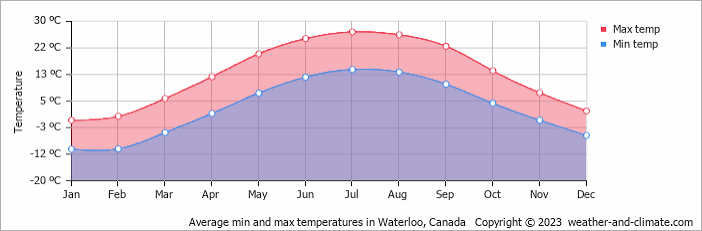
The record of 21°C was reached during the afternoon hours, according to official monitoring stations. This temperature represents a significant departure from historical averages for late October in the Waterloo region.
The previous record, which stood at 20.8°C, was set in 1989. The difference of 0.2°C marks a subtle but statistically significant shift in the upper bounds of the region’s temperature range.
Meteorologists often look at these specific daily records to identify patterns over several decades. When records are broken repeatedly within a short timeframe, it suggests a warming trend that exceeds natural year-to-year variability.
The absence of early winter conditions, such as snow or freezing temperatures, has allowed these highs to persist. This lack of seasonal cooling is a key component of the current meteorological data for the region.
Options for Monitoring Local Weather
Residents looking to track these environmental changes can utilize several official and academic resources. These tools provide real-time data and historical context for local temperature shifts.
Staying informed helps the public understand how local weather events fit into the larger global climate narrative. Below are the primary methods for monitoring these developments.
These resources provide the most accurate data for the Waterloo region. They are maintained by government and educational institutions to ensure scientific integrity.
- Environment and Climate Change Canada: The primary source for official, verified temperature readings and historical records.
- University of Waterloo Weather Station: Provides localized data that often serves as a secondary verification point for regional records.
- Local Meteorological Forecasts: Offer short-term outlooks that help residents prepare for unseasonably warm or cold spells.
- Climate Data Portals: Online databases that allow users to compare current temperatures against decades of historical trends.
Analysis of Shifting Climate Patterns
Launch Len Media maintains that the frequency of these record-breaking days is a tangible indicator of broader climate change. When historical benchmarks are surpassed with such regularity, it suggests that the baseline for regional weather is moving upward. Source: CTV News.
A common counterpoint to this view is that regional weather is inherently volatile. Historical data shows that occasional influxes of tropical air masses have always produced unseasonably warm days in autumn.
Critics argue that one or two warm days in October do not necessarily signal a permanent shift in climate. They emphasize that natural cycles, such as El Niño, can temporarily inflate temperatures without changing the long-term trajectory.
Despite these arguments, the trend of warm records outpacing cold records remains a consistent observation by experts. The accumulation of these events provides a compelling case for the influence of climate change on local weather systems.
Steps for Residents to Take
You can stay informed by checking official weather reports regularly. Understanding the difference between a daily anomaly and a long-term trend is essential for interpreting local news.
You may also participate in local climate initiatives. Many community groups in the Waterloo region focus on sustainability and environmental awareness, providing opportunities to engage with the issue directly.
If you are concerned about the impact of these temperature changes, you can support local research efforts. Supporting academic institutions that monitor weather patterns helps improve the quality of data available to the public.
Finally, you should prepare for a wider range of weather conditions. As climate patterns shift, the traditional expectations for seasonal weather may become less reliable, making flexibility in planning more important than ever.
Frequently Asked Questions
Was the 21°C record for October 29 confirmed by multiple sources?
Yes, both Environment and Climate Change Canada and the University of Waterloo weather station recorded the temperature at 21°C at 2 p.m.
How does this record compare to the previous high for the date?
The new record of 21°C surpassed the previous record of 20.8°C, which had been set in 1989.
Are warm records becoming more common than cold ones?
According to Environment Canada meteorologist Rob Kuhn, warm temperature records are indeed becoming more frequent than cold ones due to climate change.
Related coverage on LaunchLen Media: Unseasonable Fall Warmth Persists Across Ontario Before Halloween.
For official information, see Environment and Climate Change Canada.