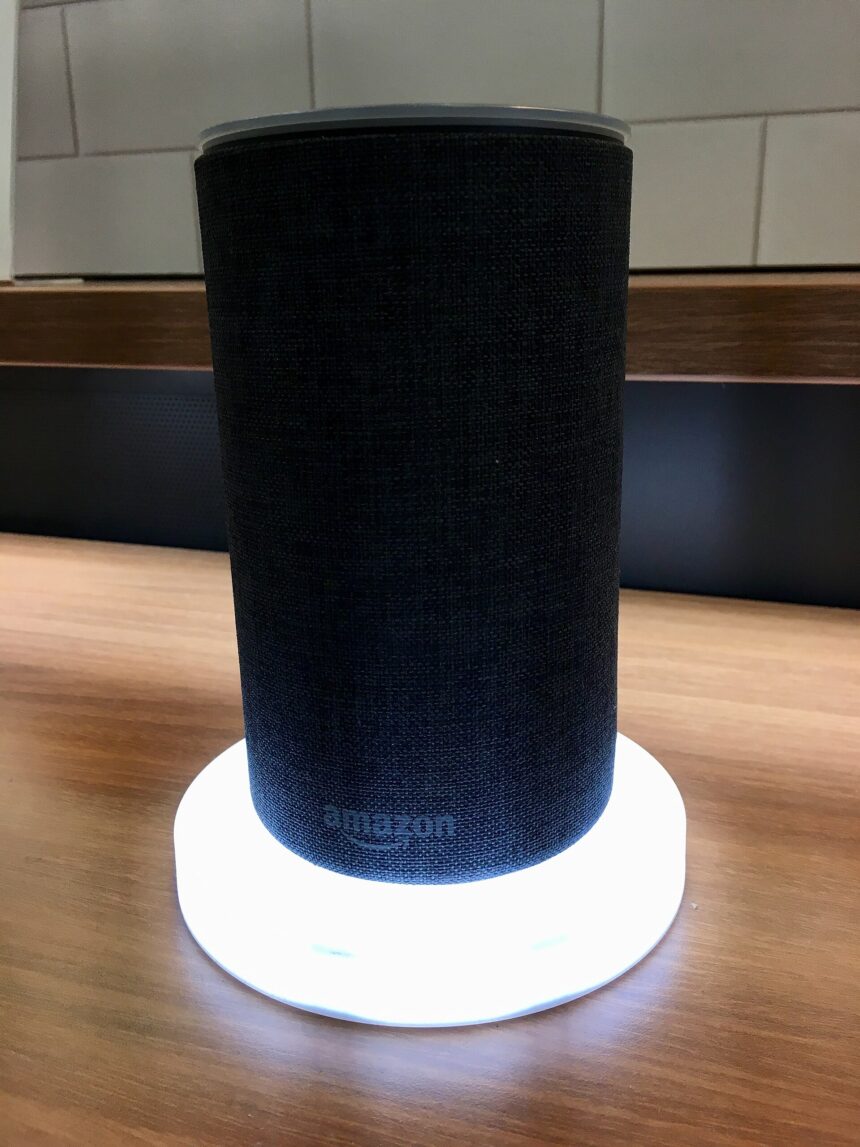
Amazon officially released three new Alexa-powered devices in Canada on October 28, 2026, marking a strategic expansion of its smart home hardware portfolio. The new lineup includes the Echo Time bedside clock, a redesigned Echo Dot, and an upgraded Echo Studio with a built-in home camera.
This launch signals a shift toward bedroom-first smart home integration, as Amazon seeks to deepen its presence in private living spaces through non-invasive monitoring. Launch Len Media views this as a calculated effort to increase reliance on the subscription-based Alexa+ ecosystem.
The New Hardware Lineup and Canadian Pricing
The Canadian market now has access to three distinct additions to the Amazon Echo family. These devices cater to different use cases ranging from bedroom sleep assistance to high-fidelity audio and home security.
The Echo Time serves as the flagship for the bedroom-focused strategy. Priced at $289.99 CAD, it features a 3.2-inch circular touchscreen and is designed to sit on a nightstand without the presence of a camera.
The redesigned Echo Dot enters the market at $144.99 CAD. It retains the familiar spherical design but incorporates significant internal upgrades, including the custom AZ3 chip for faster on-device processing.
Finally, the Echo Studio with Home Camera rounds out the trio at $329.99 CAD. This device maintains the audio performance of its predecessor while adding visual intelligence capabilities through a front-facing lens.

Mechanics of Sleep Tracking and Connectivity
The Echo Time utilizes ultrasound and proximity sensors to detect breathing patterns and movement. According to TechRadar, this data allows the device to wake users during light sleep phases within a user-defined window.
The device also manages light exposure by reducing blue light at night and gradually increasing display brightness in the morning. This mimics a sunrise to support natural wake-up routines.
The Echo Dot introduces new networking features, including a built-in eero Wi-Fi extender. This allows the device to add up to 1,000 square feet of coverage to an existing eero mesh network.
Furthermore, the new Echo Dot functions as a smart home hub with support for Zigbee, Matter, and Thread. This enables direct control of compatible lights and sensors without the need for an external bridge.
The Echo Studio with Home Camera uses ‘Sightwise Live’ to process visual information. This allows the device to see what users hold up and power live video feeds through the Alexa app.
Comparing the New Echo Options
Consumers have three primary options depending on their specific needs for audio, sleep tracking, or home monitoring. Each device serves a different role within the broader smart home environment.
The Echo Time is the best choice for those prioritizing sleep health. Its ultrasound sensors provide non-invasive tracking, and the absence of a camera addresses common concerns regarding smart home device safety in the bedroom.
The Echo Dot is the most versatile option for general home use. With the inclusion of the eero Wi-Fi extender and the AZ3 chip, it offers the best value for users looking to improve their home network while adding voice control.
The Echo Studio with Home Camera is designed for audiophiles and those who want visual intelligence. It is the most expensive option, but it provides the highest audio quality and the most advanced smart features.
- Echo Time ($289.99 CAD): Ideal for bedroom sleep tracking and alarm functions.
- Echo Dot ($144.99 CAD): Best for general voice control and extending Wi-Fi coverage.
- Echo Studio with Home Camera ($329.99 CAD): Best for high-fidelity audio and visual monitoring.
- Amazon Kids Echo Dot: A specialized version for families with parental controls.
Strategic Implications of Bedroom Integration
Amazon’s push into the bedroom represents a significant strategic pivot. By focusing on sleep tracking through ultrasound rather than cameras, the company attempts to balance consumer demand for health data with privacy concerns.
Critics argue that placing more sensors in the most private room of the home, even without cameras, continues to expand the footprint of what some call ‘pervert tech.’ The reliance on the Alexa+ subscription model further complicates this expansion.
Despite these criticisms, the convenience of automated sleep-based alarms and ambient light control remains a strong selling point. The integration of these features into a single bedside unit simplifies the smart home experience for the average user.
Launch Len Media maintains that while the privacy concerns are valid, the opt-in nature of these sensors provides a necessary safeguard. The success of this strategy will depend on whether consumers trust Amazon to handle their sleep data with the same care as their shopping habits.
Sleep sensing is opt-in and relies on Omnisense sensors plus ultrasound to watch breathing and proximity without a wearable.
Amazon product documentation
Next Steps for Interested Users
If you are considering these devices, start by assessing your current smart home needs. Determine if you require a dedicated sleep tracker or if you are looking to improve your existing Wi-Fi coverage.
Check your current subscription status to see if you already have access to Alexa+ features. Many of the advanced functions on these new devices are locked behind this service, which may add to your monthly costs.
Review your privacy settings within the Alexa app before enabling sleep sensing. Ensure you understand what data is being collected and how it is being used by Amazon’s servers.
Finally, compare the physical dimensions of the new devices with your available space. The Echo Time is specifically designed for nightstands, while the Echo Studio requires more room for its high-excursion woofer and drivers.
Frequently Asked Questions
Does the Echo Time have a camera?
No, the Echo Time is a camera-free smart bedside clock designed specifically for the bedroom.
What is required to use the advanced features on these devices?
Many advanced features, including specific conversational capabilities, require an active Alexa+ subscription.
Can the new Echo Dot improve my home Wi-Fi?
Yes, the new Echo Dot includes a built-in eero Wi-Fi extender that can add up to 1,000 square feet of coverage to an existing eero mesh network.
For official details, see Amazon Canada.