Canadian investors seeking consistent cash flow often turn to a dividend ETF to simplify their wealth-building strategy. By holding a basket of high-yield securities, these funds eliminate the need to manage individual stock picks.
Choosing a diversified fund allows you to capture market growth while maintaining a steady stream of monthly distributions. This approach is ideal for those who prefer a low-maintenance, long-term investment strategy over active trading.
The Mechanics of Dividend ETFs
A dividend ETF functions by pooling capital from thousands of investors to purchase shares in companies known for consistent payouts. According to Vanguard, the Vanguard FTSE Canadian High Dividend Yield Index ETF (VDY) manages over $9 billion in assets as of 2026. Source: Vanguard Canada.
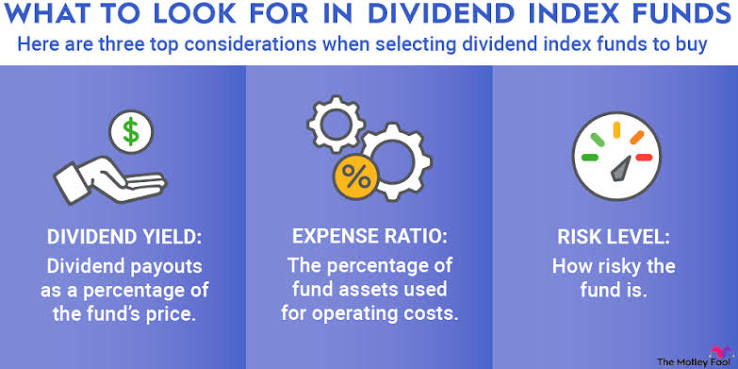
The fund maintains a management expense ratio of 0.22 percent, which is a standard fee for passive index products. This low cost ensures that a larger portion of the dividend yield remains in the investor’s pocket rather than going toward administrative expenses.
Similarly, the iShares S&P/TSX Composite High Dividend Index ETF (XEI) also charges an MER of 0.22 percent, according to BlackRock data from 2026. This fund holds approximately 75 securities, offering a slightly different approach to income generation compared to its peers.
Both VDY and XEI distribute dividends to unitholders on a monthly basis. This frequent payout schedule is highly attractive for retirees or professionals looking to supplement their regular income without waiting for quarterly cycles.

Comparing Portfolio Concentration and Risk
The primary difference between these two funds lies in their sector allocation and rebalancing strategies. VDY is heavily concentrated in the financial and energy sectors, which together account for over 80 percent of its total portfolio, according to Vanguard.
This concentration provides significant exposure to Canada’s largest banks and oil producers. While these sectors are known for reliable dividends, they are also highly sensitive to interest rate changes and global commodity prices.
Conversely, XEI provides broader sector diversification by capping individual company weights at 5 percent and sector weights at 30 percent during rebalancing, as reported by BlackRock. This structure prevents any single industry from dominating the fund’s performance.
Investors who prefer a more balanced approach might find XEI more suitable for long-term stability. Those who are bullish on the Canadian banking and energy sectors may prefer the higher yield potential found in VDY.
The Vanguard FTSE Canadian High Dividend Yield Index ETF (VDY) has an MER of 0.22% and manages over $9 billion in assets.
Vanguard, 2026
Top Dividend ETF Options for Your Portfolio
When selecting a fund, you must weigh your risk tolerance against your income goals. Both of the following options are eligible for inclusion in Canadian registered accounts such as the TFSA, RRSP, and FHSA.
The Vanguard FTSE Canadian High Dividend Yield Index ETF (VDY) is a top choice for those seeking exposure to the largest dividend payers in Canada. Its massive asset base provides high liquidity for investors of all sizes.
The iShares S&P/TSX Composite High Dividend Index ETF (XEI) serves as a strong alternative for those who prioritize sector diversification. By limiting exposure to any single industry, it offers a more defensive posture against market volatility.
Both funds offer a similar cost structure, meaning your choice should depend on whether you want a concentrated bet on financials and energy or a more spread-out basket of Canadian equities. Source: BlackRock Canada.
- Vanguard FTSE Canadian High Dividend Yield Index ETF (VDY): Best for high exposure to financials and energy.
- iShares S&P/TSX Composite High Dividend Index ETF (XEI): Best for broad sector diversification and risk management.
- Registered Account Eligibility: Both funds can be held in a TFSA to ensure dividends remain tax-free.
- Monthly Distributions: Both ETFs provide consistent cash flow, making them ideal for income-focused investors.
Analysis of the Passive Income Strategy
Launch Len Media maintains that dividend ETFs provide a superior, low-maintenance path to passive income for Canadian investors by eliminating the risks of individual stock picking. Relying on a professional fund manager to rebalance your holdings allows you to focus on your career rather than tracking earnings reports.
A fair counterpoint is that these ETFs often carry high sector concentration, particularly in financials and energy. This can expose investors to cyclical volatility and lack the growth potential of a more diversified, tech-inclusive portfolio.
Despite this, the view that dividend ETFs are a reliable foundation for a portfolio holds firm. The consistency of monthly payments combined with low management fees makes them difficult to beat for the average retail investor.
While tech stocks may offer higher capital appreciation, they rarely provide the reliable cash flow required for immediate income needs. For many, the trade-off between growth and stability is settled in favor of the dividend ETF.
What You Can Do Today
Start by reviewing your current investment accounts to see if you have room in your TFSA or RRSP. If you are currently holding cash, consider allocating a portion toward a dividend ETF to begin generating passive income immediately.
Compare the sector weightings of VDY and XEI to determine which aligns better with your long-term outlook. If you are worried about energy price fluctuations, XEI may be the safer choice for your peace of mind.
Set up a dividend reinvestment plan if you do not need the cash immediately. Reinvesting your distributions allows you to compound your wealth over time, effectively buying more shares without additional out-of-pocket costs.
Monitor your portfolio annually to ensure your asset allocation remains consistent with your goals. If the sector concentration in your chosen ETF becomes too high, you can rebalance by adding other asset classes to your portfolio.
Frequently Asked Questions
Are these ETFs suitable for a TFSA?
Yes, both VDY and XEI are eligible for Canadian registered accounts including the TFSA, RRSP, and FHSA. Holding them in a TFSA allows you to receive your monthly dividends tax-free.
How often do these ETFs pay dividends?
Both VDY and XEI distribute dividends to unitholders on a monthly basis. This makes them a popular choice for investors who want a predictable monthly income stream.
What is the management fee for these funds?
Both VDY and XEI currently maintain a management expense ratio of 0.22 percent. This is considered a low-cost option for investors seeking exposure to the Canadian dividend market.
Related reading: Top TSX dividend stock picks for reliable TFSA passive income, Evaluating three reliable Canadian dividend stocks for income and Strategic asset allocation for the modern Canadian investor.