The Waterloo region officially reopened four overnight warming centres on November 1, 2026, to provide emergency shelter for individuals experiencing homelessness. These facilities will remain open through March 31, 2027, to address the heightened risks of winter weather.
While these sites offer a vital humanitarian safety net for the most vulnerable residents, they represent a temporary response to a deeper, ongoing housing crisis. Launch Len Media views this expansion as a necessary stopgap that highlights the urgent need for long-term, permanent housing solutions.
Expanding Capacity for Winter Safety
The decision to reopen these sites follows a period of intense pressure on local social services. According to regional officials, the network of warming centres is essential for preventing cold-related injuries and fatalities among the unhoused population. Source: CBC News.
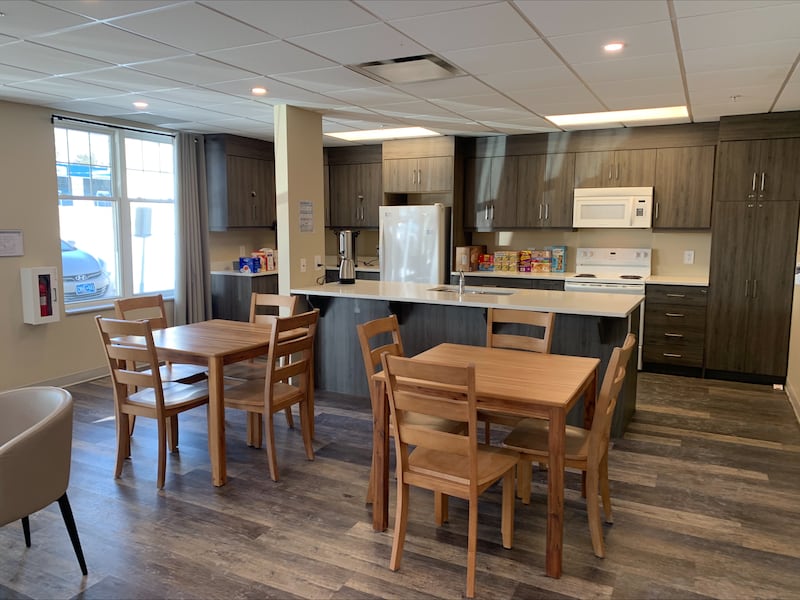
The Lawrence Avenue location in Kitchener has specifically adjusted its schedule to improve service continuity. By operating from 8 p.m. to 8 a.m., the centre aims to bridge the gap between evening and morning social service availability.
In addition to these dedicated overnight shelters, the region has designated several administrative buildings as warming spaces. These include 99 Regina, 150 Frederick, and 150 Main Street, which serve as daytime refuges for those in need.
The coordination between municipal leaders and community organizations like The Working Centre is intended to streamline access to these resources. This multi-site approach allows for a broader distribution of support across the Waterloo region.
There are 30 beds available at the overnight warming centre located on Lawrence Avenue in Kitchener.
Aastha Shetty, CBC News

Mechanics of the Regional Response
The operational model relies on a mix of existing community infrastructure and regional oversight. By utilizing churches and established kitchens, the region maximizes its reach without the need for new construction.
Capacity at the Lawrence Avenue and Wesley United Church sites is flexible. While both locations are listed with a baseline of 30 beds, they possess the ability to add extra sleeping spaces during periods of extreme demand.
The inclusion of a dedicated space for women and gender-diverse individuals at St. Paul’s Lutheran Church marks a significant shift in the regional strategy. This targeted approach addresses specific safety concerns that have been raised by advocates in recent years.
Funding and staffing for these initiatives are drawn from regional budgets allocated for homelessness prevention. These resources are strictly earmarked for the winter season, ending on March 31, 2027.
Analysis of the Temporary Stopgap
From the perspective of Launch Len Media, the reliance on warming centres underscores the failure of current housing policies to keep pace with population growth and economic pressures. While these centres are life-saving, they do not solve the root cause of homelessness.
Critics of this strategy argue that temporary measures can become a substitute for permanent housing development. If the focus remains solely on seasonal shelters, the region risks institutionalizing a cycle of emergency response rather than long-term stability.
Conversely, local service providers maintain that these centres are non-negotiable infrastructure. They argue that without these spaces, the immediate health risks to the unhoused population would be catastrophic, regardless of long-term policy goals.
The reality is that both perspectives hold merit. The region must continue to provide immediate safety while simultaneously accelerating the pipeline for affordable housing units to ensure that these warming centres eventually become unnecessary.
Steps for Residents Seeking Support
If you or someone you know requires assistance, the first step is to identify the nearest facility based on your specific needs. The regional website provides updated information on bed availability and specific admission criteria for each site.
For those in Kitchener, St. John’s Kitchen remains the primary hub for high-capacity needs. If you are seeking specialized support for women or gender-diverse individuals, the St. Paul’s Lutheran Church location in Cambridge is the designated site.
Individuals should also be aware of the daytime warming spaces available at 99 Regina, 150 Frederick, and 150 Main Street. These locations provide a safe environment during the day when overnight shelters are closed for cleaning and staff transitions.
Always check for the most recent updates on the regional portal before traveling to a site. Service hours and capacity can fluctuate based on weather conditions and staffing levels.
Frequently Asked Questions
Are the warming centres open 24 hours?
No, most centres operate on specific overnight schedules. For instance, the Lawrence Avenue location runs from 8 p.m. to 8 a.m.
What happens after March 31, 2027?
The current mandate for these warming centres concludes on March 31, 2027, as they are seasonal emergency measures.
Are there daytime options available?
Yes, regional buildings at 99 Regina, 150 Frederick, and 150 Main Street serve as designated warming spaces during the day.