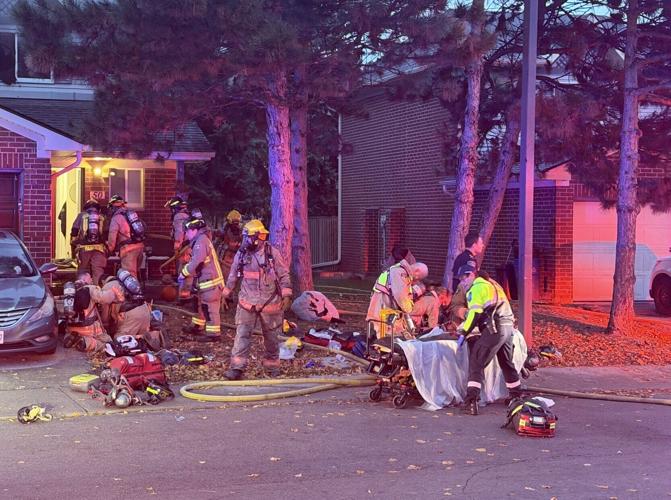
A devastating Ontario townhouse fire on November 14, 2026, resulted in the deaths of three family members, including two children. The incident at 1300 Maple Crossing Blvd in Burlington has left two other occupants in critical condition.
This tragedy underscores an urgent need for mandatory, standardized fire safety education and home escape planning for all households. Launch Len Media believes that systemic changes are required to prevent future loss of life in residential settings.
The Facts of the Burlington Incident
Emergency services were alerted to the blaze at approximately 6:45 a.m. on Saturday, November 14, 2026. Responding crews contained the fire to a single unit within the townhouse complex. Source: CP24.
Firefighters successfully rescued all five occupants from the residence. Despite these efforts, three individuals, including a 12-year-old and a one-year-old, succumbed to their injuries.
Ontario Fire Marshal Jon Pegg confirmed the fatalities on November 16, 2026. Forensic testing is currently underway to determine the exact cause of the fire.
The remaining two survivors, an adult woman and a child, continue to receive treatment in critical condition. This incident is being treated as a significant fatal house fire that has drawn attention to residential safety protocols.

Seasonal Risks and Fire Prevention
Fire Marshal Jon Pegg has explicitly stated that the colder months represent the most dangerous time of year for fire fatalities in Ontario. Increased use of heating equipment and indoor activities contribute to this heightened risk.
The mechanics of residential fires often involve rapid smoke spread, which can disorient occupants within seconds. Standardized safety education aims to mitigate this by instilling muscle memory for emergency exits.
Current regulations focus heavily on building codes and smoke alarm installation. However, experts argue that these measures are insufficient without a corresponding focus on behavioral training for residents.
A comprehensive approach would involve mandatory safety audits for rental and owned properties alike. Such audits would ensure that every household has a verified, functional escape plan.
Recommended Safety Strategies
The following strategies are recommended by fire safety professionals to enhance household preparedness. These steps are designed to minimize reaction time during a crisis. Source: Global News.
First, install interconnected smoke alarms. These devices communicate with each other, ensuring that an alarm in the basement triggers an alert in the bedrooms.
Second, conduct regular fire drills. Practice escaping from different rooms in the dark to simulate real-world conditions where visibility may be limited by smoke.
Third, create a designated meeting spot outside the home. This ensures that all occupants can be accounted for quickly without anyone re-entering the structure.
Finally, maintain clear exit paths. Ensure that windows and doors are not blocked by furniture or security bars that cannot be opened from the inside.
- Install interconnected smoke alarms on every level of the home.
- Practice home escape drills at least twice annually.
- Designate a safe meeting place outside the property.
- Clear all pathways to windows and doors of obstructions.
Analysis of Mandatory Safety Policy
Launch Len Media argues that the frequency of residential fatalities necessitates a shift toward mandatory safety education. Relying on voluntary compliance has not prevented tragedies like the one in Burlington.
Critics of this approach, however, maintain that individual responsibility remains the cornerstone of fire safety. They argue that existing fire code regulations are already sufficient and that further mandates could impose unnecessary burdens on homeowners.
The counterpoint suggests that focusing on systemic mandates may overlook the complexity of residential fire prevention. They emphasize that the unpredictable nature of such accidents makes total prevention impossible regardless of education levels. Source: CBC News.
Despite these arguments, the evidence suggests that structured training significantly improves survival rates. When residents know exactly what to do, panic is reduced and the likelihood of successful evacuation increases.
The colder months represent the most dangerous time of year for fire fatalities in Ontario.
Ontario Fire Marshal Jon Pegg
Next Steps for Residents
You should begin by auditing your own home for fire hazards today. Check that all smoke alarms are less than ten years old and have fresh batteries.
Review your home layout to ensure that every bedroom has two clear exits. If you live in a multi-story unit, ensure that escape ladders are available and that all family members know how to use them.
Contact your local fire department to inquire about community safety programs. Many municipalities offer free home safety inspections that can identify risks you might have missed.
Finally, discuss the escape plan with every member of your household. Ensure that children understand the importance of leaving immediately without stopping to gather belongings.
Frequently Asked Questions
What is the primary cause of the Burlington townhouse fire?
The cause remains under investigation by the Ontario Fire Marshal. Forensic testing is currently being conducted to determine the origin of the blaze.
Are there any current safety mandates for Ontario townhouses?
Ontario properties must adhere to the Ontario Fire Code, which includes requirements for smoke alarms and fire safety equipment. However, there are currently no mandates for universal household escape training.
Why are winter months considered more dangerous for fire safety?
Increased use of heating systems, space heaters, and indoor cooking during colder months creates more opportunities for fires to start. Additionally, the dry air inside homes can cause fires to spread more rapidly.
Related reading: Windsor house fire linked to faulty doorbell camera battery. Fire safety guidance: Ontario Office of the Fire Marshal.