Young Canadians face a reality where housing affordability will likely remain elusive for decades, according to recent policy analysis. Despite minor price fluctuations, the structural gap between income and home values persists across major urban centers.
This systemic imbalance forces a generation to sacrifice long-term financial stability to cover current costs. Launch Len maintains that current government incentives act as insufficient band-aids that fail to address the core supply-demand crisis.
The Current State of the Housing Market
The Canadian housing market is currently navigating a period of stagnation and risk, as noted in the October 2026 reports. While national home values saw a 15% decline from their 2021 peak, they remain significantly higher than what the average young earner can afford. Source: The Globe and Mail.
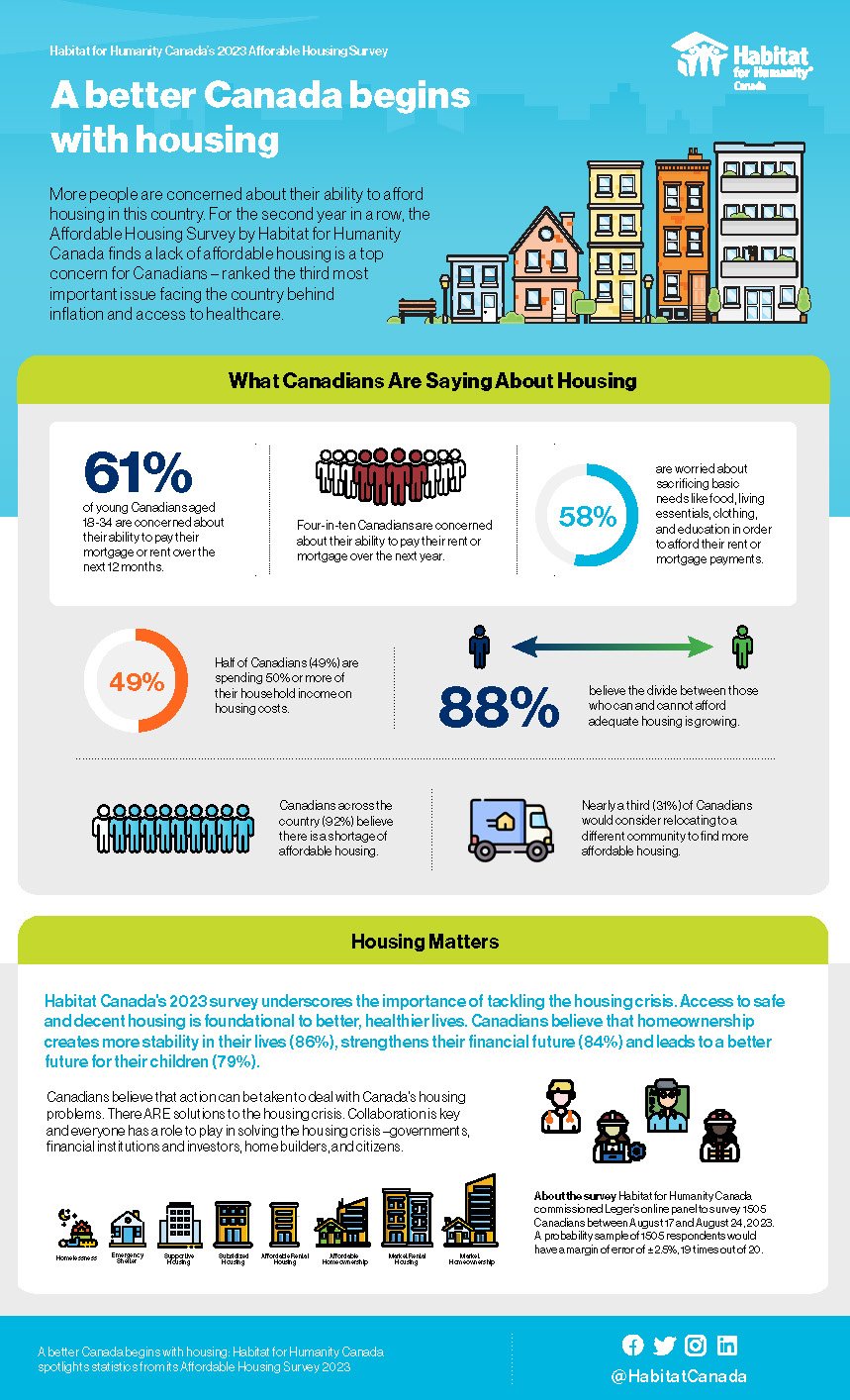
According to the 2026 Zown Homeownership & Financial Confidence Survey, only 18% of Canadians aged 18-34 feel confident in their ability to navigate the financial complexities of buying a home. This lack of confidence is rooted in the reality that median-income couples under 35 are largely priced out of major markets.
The Bank of Canada raised its policy rate to 2.5% in October 2026, which has further constrained borrowing capacity. This environment has led 40% of Canadians to tap into long-term savings over the past year just to cover everyday expenses like rent or mortgage payments.
CMHC’s 2026 Housing Market Outlook reports that while sales have cooled, housing starts have remained more resilient than anticipated. However, this supply has not yet translated into meaningful improvements in housing affordability for first-time buyers.
More Read

Mechanics of the Affordability Gap
To meet the Canada Mortgage and Housing Corporation’s guideline of spending less than 30% of income on housing, a buyer would need an annual income of approximately $131,000. The typical full-time worker aged 25 to 34 earns only $68,500.
Even with a 20% down payment, the average Canadian home requires a mortgage of roughly $544,000. These figures illustrate why the current housing market crisis is a structural issue rather than a temporary economic dip.
Projections suggest that if earnings grow at 3.5% annually, it could take 26 years for incomes to align with current home values. In regions like the Greater Toronto Area, this wait could extend to 48 years, while Metro Vancouver could see a 66-year timeline.
These estimates highlight the disconnect between current policy interventions and the scale of the challenge. Without aggressive reforms, the timeline for affordability remains firmly in the distant future.
Current Policy Options and Incentives
Governments have attempted to mitigate these pressures through various financial instruments and tax relief programs. These options are designed to provide incremental support to those struggling to enter the market. Source: iPolitics.
The federal government introduced a new GST/HST rebate for first-time buyers of new construction in 2026. This measure can provide up to $50,000 in relief, aimed at lowering the barrier to entry for new builds.
The First Home Savings Account (FHSA) remains a primary tool for young Canadians to save for a down payment with tax-advantaged status. This program allows individuals to contribute funds that grow tax-free, provided they are used for a qualifying home purchase.
Other potential avenues for support include expanded student grants and lower student debt loads. These measures aim to improve the overall living standards of young people, theoretically increasing their capacity to save for a home over time.
- GST/HST rebate for new construction: Up to $50,000 in direct tax relief for eligible first-time buyers.
- First Home Savings Account (FHSA): Tax-advantaged savings vehicle for down payment accumulation.
- Non-market housing expansion: Government-backed initiatives to increase the supply of affordable rental units.
- Student debt relief: Proposals to reduce the financial burden on young graduates to improve their debt-to-income ratios.
Analysis of the Generational Bargain
The current housing strategy relies on a political bargain that prioritizes the protection of existing home equity. By avoiding sharp price declines, politicians ensure that current homeowners do not see their wealth eroded, but this comes at a high cost to younger generations.
Launch Len argues that this approach is fundamentally unsustainable. While some policy analysts suggest that waiving municipal fees and streamlining approvals will eventually stabilize the market, these interventions often fail to address the underlying supply-demand imbalance.
The fair counterpoint is that aggressive supply-side interventions are showing resilience in housing starts. Proponents of this view argue that increasing the sheer volume of units will eventually lower prices through market competition.
However, the timeline for such a correction remains too long to be meaningful for current young buyers. Until governments prioritize structural reform over the protection of existing wealth, the affordability gap will continue to widen. Source: CMHC.
If younger Canadians are being asked to wait decades for affordability to return, governments should not merely promise that conditions will improve some day. They should also consider how to support the generation bearing most of the burden for protecting the housing wealth already accumulated by others.
Dr. Paul Kershaw, founder of Generation Squeeze
Next Steps for Prospective Buyers
Prospective buyers should focus on maximizing their use of available government incentives like the FHSA. Understanding the full scope of tax relief can help bridge the gap between current savings and the required down payment.
It is also essential to evaluate the long-term viability of homeownership in different geographic regions. Given the varying timelines for affordability, some markets may remain out of reach for much longer than others.
Young Canadians should monitor the upcoming federal budget, specifically looking for changes to the National Housing Strategy. These policy shifts will likely dictate the availability of future support programs.
Finally, consider diversifying financial planning to include assets outside of real estate. Relying solely on homeownership as a wealth-building tool in the current climate may expose buyers to unnecessary financial risk.
Frequently Asked Questions
Why is housing affordability so low for young Canadians?
Affordability is low because home prices have risen significantly faster than income growth over the past several decades. High interest rates and limited housing supply further exacerbate this gap.
What is the role of the federal government in addressing this issue?
The federal government manages the National Housing Strategy and introduces tax incentives like the FHSA and GST/HST rebates. However, critics argue these measures do not address the structural supply issues.
Should I wait for prices to drop before buying?
Market timing is difficult and carries risk. While some analysts expect long-term stabilization, the current supply-demand imbalance suggests that significant price drops are unlikely in the near term.
Related coverage on LaunchLen Media: The Structural Failure Behind Canadian Housing Costs.
For official information, see CMHC.