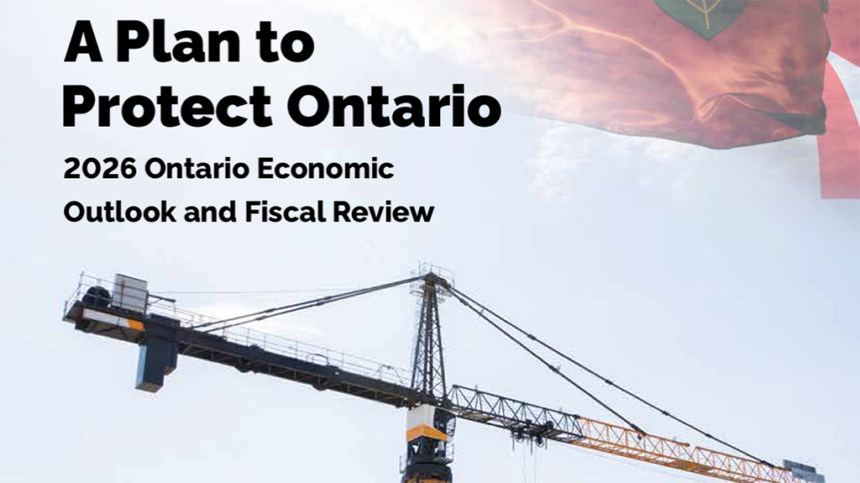
Ontario Finance Minister Peter Bethlenfalvy released the 2026 Fall Economic Statement on October 29, revealing a $16.9 billion deficit and delaying a return to balanced books until 2029-30.
This Ontario economic update shifts provincial resources toward industrial protectionism, effectively sidelining critical infrastructure commitments for the City of Ottawa.
The government’s decision to prioritize broad economic stabilization over local transit and highway needs creates significant uncertainty for municipal planners in the nation’s capital.
The Scale of the Provincial Deficit
The 2026-27 fiscal year projection shows an Ontario deficit reaching $16.9 billion, according to data released by the Ministry of Finance. This figure represents a 22 percent increase from the original budget plan tabled earlier this year.
Minister Bethlenfalvy attributed the widening gap to ongoing trade volatility and the need to protect the province from external economic shocks. The government has now officially pushed back its target for a balanced budget to the 2029-30 fiscal year. Source: Ontario Ministry of Finance.
To manage this instability, the province allocated a $3.8 billion top-up to its contingency fund. This reserve is intended to mitigate the impact of potential U.S. trade tariffs on the manufacturing sector.
Critics argue that the delay in balancing the budget reflects a lack of long-term fiscal discipline. However, the government maintains that these measures are necessary to navigate a period of intense global economic uncertainty.

Industrial Support Versus Local Needs
The centerpiece of the update is the Ontario Competitiveness Tax Cut, which provides $8 billion in relief to businesses over the next five years. This policy is designed to keep the province attractive to investors despite rising trade costs.
Additionally, the government announced an $8.7 billion Canada-Ontario action plan. This funding is specifically earmarked for the steel, automotive, and critical minerals sectors to ensure supply chain resilience.
While these industrial investments are substantial, they stand in contrast to the lack of new funding for municipal projects. Ottawa-based politicians have expressed frustration over the omission of specific local priorities.
Liberal MPP Stephen Blais and NDP MPP Chandra Pasma noted that the update failed to mention the Highway 174 upload or the LRT transfer. These projects remain stalled without clear provincial financial backing.
- Highway 174 upload remains unfunded.
- LRT transfer negotiations lack provincial commitment.
- Industrial tax cuts total $8 billion.
- Critical minerals sector receives targeted support.
- Contingency fund increased by $3.8 billion.
The province’s mini-budget ignores Ottawa’s needs while focusing solely on broad industrial policy.
Opposition MPP statement, October 30, 2026
Strategic Options for Economic Stability
The government’s current strategy relies on three primary pillars to maintain the provincial economy. These options reflect a shift toward defensive fiscal management. Source: Global News.
First, the Ontario Competitiveness Tax Cut aims to lower the cost of doing business. By reducing corporate tax burdens, the province hopes to prevent capital flight to the United States.
Second, the $8.7 billion action plan targets specific high-value sectors. This investment focuses on the automotive and steel industries, which are most vulnerable to trade disputes.
Third, the $3.8 billion contingency fund provides a buffer against unforeseen revenue drops. This allows the government to respond to market shifts without needing to adjust the budget mid-year.
These choices prioritize province-wide stability over localized infrastructure. While this approach protects the broader tax base, it leaves municipalities like Ottawa to manage their own funding gaps.
Analysis of the Fiscal Trade-off
Launch Len Media views the 2026 Fall Economic Statement as a calculated bet on industrial survival. By prioritizing the automotive and steel sectors, the government is attempting to safeguard the largest contributors to the provincial GDP.
The fair counterpoint is that the government faces an unprecedented trade environment. If the province does not act to mitigate tariff impacts, the resulting economic contraction could lead to even larger deficits and higher unemployment.
However, the cost of this strategy is the neglect of municipal infrastructure. When provincial support for critical transit projects is delayed, the long-term productivity of urban centers like Ottawa suffers. Source: KPMG.
The government must eventually reconcile these competing demands. Maintaining fiscal flexibility is a valid goal, but it should not come at the expense of necessary urban development.
Next Steps for Concerned Residents
If you are concerned about the status of local infrastructure, you should monitor upcoming municipal council meetings. City officials will likely provide updates on how the lack of provincial funding affects project timelines.
You can also contact your local MPP to request clarification on the status of the Highway 174 upload. Direct engagement with provincial representatives remains the most effective way to signal local priorities.
For business owners, review the details of the Ontario Competitiveness Tax Cut through the Ministry of Finance portal. Understanding how these tax changes apply to your specific industry is essential for planning the next five years.
Finally, track the provincial deficit reports in the coming quarters. Changes in the contingency fund usage will indicate whether the government is successfully managing trade volatility or if further fiscal tightening is required.
Frequently Asked Questions
When will the Ontario budget be balanced?
The government has delayed the path to a balanced budget until the 2029-30 fiscal year.
What happened to the Highway 174 funding?
The Highway 174 upload was notably absent from the provincial government’s primary messaging in the latest economic update.
How much is the new tax relief for businesses?
The Ontario Competitiveness Tax Cut is estimated to provide $8 billion in tax relief to businesses over a five-year period.