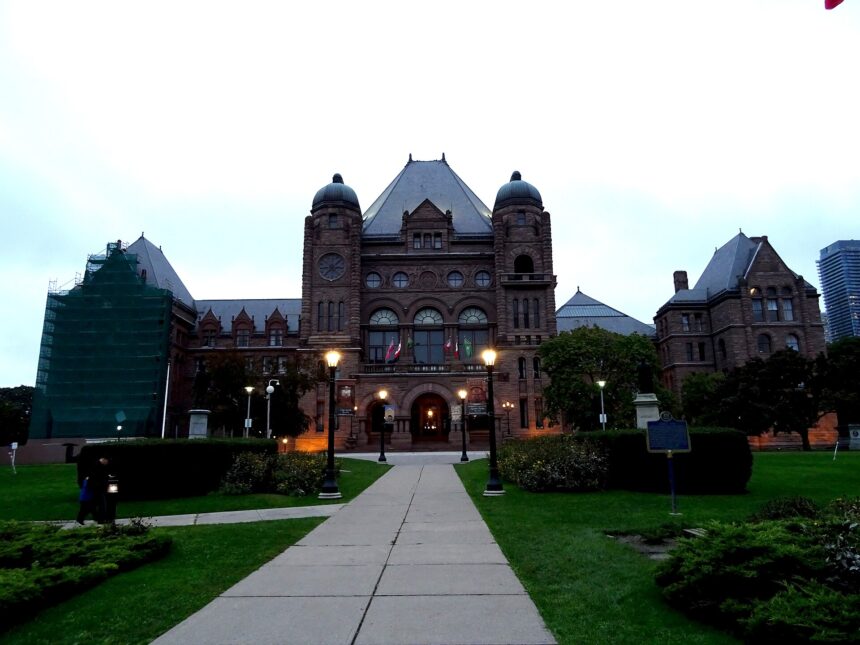
The Ontario government introduced Bill 140 on October 27, 2026, triggering immediate opposition from environmental advocates over proposed changes to provincial oversight mechanisms.
This legislation, titled the Building Ontario Faster Act, seeks to alter the Environmental Bill of Rights, 1993, raising concerns about the future of public participation in environmental governance.
The Core Changes in Bill 140
The Building Ontario Faster Act, 2026, includes significant modifications to how the province manages environmental regulation. According to the Legislative Assembly of Ontario, the bill was tabled on October 27, 2026. Source: Ecojustice.
Schedule 8 of the proposed legislation targets the Environmental Bill of Rights, 1993. This section specifically seeks to repeal the public’s existing rights to request reviews of policies and investigations into alleged environmental offences.
Ecojustice, a leading environmental law organization, has formally called on the Ontario government to retract the legislation. Lawyer Ian Miron stated that the bill threatens to extinguish rights that have existed for over three decades.
The Canadian Environmental Law Association (CELA) echoed these concerns in a recent media statement. The organization warned that the bill would strip Ontarians of their ability to protect their local communities from pollution.
Environmental Defence, another advocacy group, argued that the bill creates a pathway for the government to change regulations without mandatory advance posting. This could affect public health and environmental standards across the province.
For more than 30 years, Ontario’s Environmental Bill of Rights has provided rights to people across the province to hold the government accountable for decisions that could impact their environment and communities.
Ian Miron, Ecojustice lawyer

Government Rationale and Regulatory Streamlining
The Ontario Ministry of Red Tape Reduction maintains that these legislative changes are necessary for provincial efficiency. The ministry stated that the updates are intended to streamline outdated processes.
According to reports from Field and Shutter Press, officials argue that the current Environmental Bill of Rights creates unnecessary duplication. They claim that other avenues for public input remain sufficient for maintaining accountability.
The government’s strategy focuses on removing hurdles that slow down infrastructure projects. This approach is consistent with the broader goals of the Building Ontario Faster Act to accelerate construction timelines.
Critics, however, argue that these legislative changes prioritize speed over public safety. They contend that removing the right to request investigations leaves communities without recourse when environmental violations occur.
The government has not provided specific data on how much time or money these changes will save. The lack of detailed impact assessments has fueled further skepticism among environmental law experts.
Specific Infrastructure Exemptions
Beyond the general changes to the Environmental Bill of Rights, the bill includes targeted exemptions for major infrastructure projects. This includes a special environmental assessment process for the 68-kilometre Highway 69 expansion. Source: Legislative Assembly of Ontario.
This project is now exempt from certain standard public-notice rules that typically govern large-scale infrastructure development. Legal analysts at Codify Legal Publishing noted that this rewires the standard approvals process.
The following list outlines the specific areas where critics argue the bill creates significant gaps in oversight:
The removal of the public right to request formal investigations into environmental offences.
The elimination of the right to request reviews of existing environmental laws and policies.
The reduction of mandatory advance posting requirements on the Environmental Registry of Ontario.
The implementation of special exemptions for the Highway 69 expansion project.
The overall limitation of notice and comment rights for provincial residents.
Analysis of the Democratic Impact
The debate over Bill 140 centers on the definition of administrative efficiency versus democratic participation. The government views the current system as a barrier to progress, while critics view it as a vital check on power.
Launch Len Media notes that the removal of the right to request investigations is a significant departure from the original intent of the 1993 legislation. This change effectively removes a tool that citizens have used to hold the government accountable for decades. Source: CELA.
The counterpoint offered by the province is that the current system is prone to abuse or delays that are no longer sustainable. They argue that the government must be able to act decisively to address the housing and infrastructure crisis.
However, the fair counterpoint remains that transparency is not an administrative burden but a prerequisite for public trust. By removing these mechanisms, the government risks creating a system where corporate interests may override public health concerns.
The long-term impact of this legislation could be a decrease in public engagement. If citizens feel their input no longer matters, they may disengage from the process entirely, leading to a less informed and less protected province.
Next Steps for Concerned Citizens
Residents who are concerned about the implications of Bill 140 can take several steps to participate in the legislative process. First, you can review the full text of the bill on the Legislative Assembly of Ontario website.
You may also contact your local Member of Provincial Parliament (MPP) to express your views on the proposed changes. Providing specific feedback on how the loss of investigation rights might affect your community can be effective.
Environmental organizations such as Ecojustice and CELA often provide templates or guides for submitting comments during the legislative review period. Checking their websites for updates on upcoming committee hearings is recommended.
Finally, staying informed about the progress of the bill through official legislative channels ensures you are aware of any amendments. Monitoring the Environmental Registry of Ontario remains a key way to track how these policy shifts affect your region.
Frequently Asked Questions
What is the primary goal of Bill 140?
The Ontario government states that the bill aims to streamline outdated processes and reduce administrative burdens to help build infrastructure faster.
Does Bill 140 remove all public rights under the Environmental Bill of Rights?
No, but it significantly limits them by repealing the public’s right to request investigations into environmental offences and reviews of existing policies.
How does this bill affect the Highway 69 expansion?
The bill includes a special environmental assessment process that exempts the 68-kilometre expansion project from certain standard public-notice rules.
Related coverage on LaunchLen Media: Ontario Plans Massive Cuts to Archeological Approvals Timeline and Ontario Legislature Resumes After Lengthy 147-Day Hiatus.