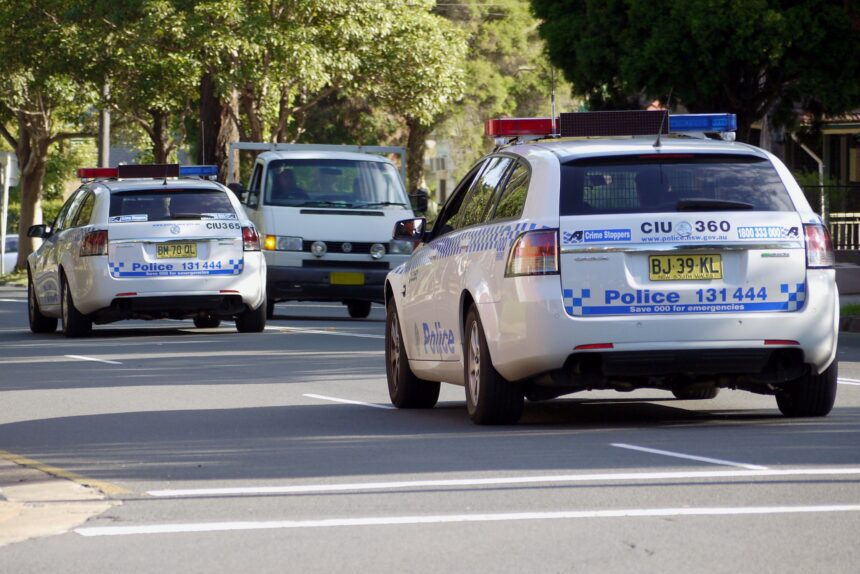
A 57-year-old driver was charged with turn not in safety following an e-bike collision Victoria Street on October 26, 2026. The incident occurred near Frederick Street at approximately 9:45 p.m. and resulted in injuries to the e-bike operator.
This event highlights the growing tension between motor vehicle operators and non-standard transit users on busy urban corridors. Launch Len maintains that stricter enforcement of e-bike regulations is essential to ensure road safety for all participants.
The Facts of the Victoria Street Incident
The collision took place in the late evening hours of October 26, 2026. Waterloo Regional Police reported that the crash occurred on Victoria Street North near Frederick Street. Source: CityNews Kitchener.
Emergency services arrived at the scene shortly after 9:45 p.m. A 52-year-old man operating the e-bike was transported to a local hospital for treatment.
Medical staff confirmed the injuries sustained by the rider were non-life-threatening. The driver of the Toyota Camry, a 57-year-old from Woolwich Township, remained at the scene to cooperate with investigators.
Police conducted a thorough investigation into the mechanics of the crash. The resulting charges against the driver were based on the failure to execute a turn in a safe manner.

Regulatory Failures and Vehicle Compliance
The investigation revealed that the e-bike involved did not meet provincial standards for motor size and speed. Under Ontario law, e-bikes must adhere to specific power and speed limitations to be classified as bicycles.
Because the device exceeded these limits, police classified it as a motor vehicle. This reclassification triggered a series of legal requirements that the rider failed to meet.
The 52-year-old rider was subsequently charged with several offences. These included driving while under suspension, as well as violations regarding the lack of proper licensing, registration, and insurance.
These findings demonstrate the risks associated with operating modified or non-compliant electric devices on public roads. The Waterloo Regional Police Service continues to monitor such vehicles for compliance.
- E-bikes must meet specific motor wattage limits to be legal.
- Maximum speed for e-bikes is restricted by provincial statute.
- Operating a non-compliant e-bike can lead to motor vehicle charges.
- Licensing and insurance are mandatory for vehicles exceeding e-bike specs.
- Suspended drivers cannot legally operate any form of motor vehicle.
Options for Safe Urban Transit
For residents looking to commute safely, choosing compliant transportation is the first step. Standard e-bikes that meet all provincial criteria are legal for use on most roads.
If you choose an e-bike, ensure it is factory-certified to meet local motor size regulations. Avoid any modifications that increase the speed or power output of the electric motor.
Alternatively, traditional bicycles provide a reliable and legal mode of transport without the regulatory complexities of electric motors. They are widely accepted and require no insurance or registration.
For longer commutes, public transit remains the safest and most regulated option. Using established bus or light rail routes eliminates the risk of vehicle-based collisions and regulatory non-compliance.
Analysis of Road Safety Responsibility
The incident on Victoria Street underscores the dual nature of road safety. Launch Len argues that the prevalence of non-compliant e-bikes creates unpredictable hazards for motorists who expect standard traffic patterns.
Stricter enforcement of e-bike regulations is necessary to ensure that all road users understand their obligations. When devices are essentially motorcycles in disguise, they must be treated as such by the law.
A fair counterpoint suggests that the primary responsibility for safety rests with the driver of the motor vehicle. Regardless of the e-bike’s compliance, the driver of the Toyota Camry failed to yield safely during their turn. Source: CTV News.
Focusing too heavily on e-bike compliance might distract from the fundamental duty of drivers to watch for all road users. Safety requires both compliant vehicles and attentive, cautious driving from everyone on the road.
The e-bike involved did not comply with provincial motor size and speed regulations.
Waterloo Regional Police Service
Steps for Road Users
If you operate an e-bike, verify that your vehicle meets all provincial standards for motor size and speed. Check your owner manual or consult a local dealer to ensure your device is street-legal.
Drivers should exercise extra caution at intersections, especially when turning across bike lanes or paths. Always assume that smaller vehicles may be moving faster than they appear.
If you have a suspended license, do not operate any motorized device on public roads. This includes e-bikes that are classified as motor vehicles due to their power output.
Report any unsafe road conditions or reckless driving behavior to local authorities. Maintaining clear communication with police helps improve safety for the entire community.
Frequently Asked Questions
Was the e-bike rider injured in the collision?
Yes, the 52-year-old rider was taken to the hospital with non-life-threatening injuries.
Why was the e-bike rider charged?
Police found the e-bike did not meet provincial regulations, classifying it as a motor vehicle. Consequently, the rider was charged with driving while suspended and lacking proper insurance and licensing.
What charge did the driver face?
The 57-year-old driver was charged with turn not in safety following the collision.