




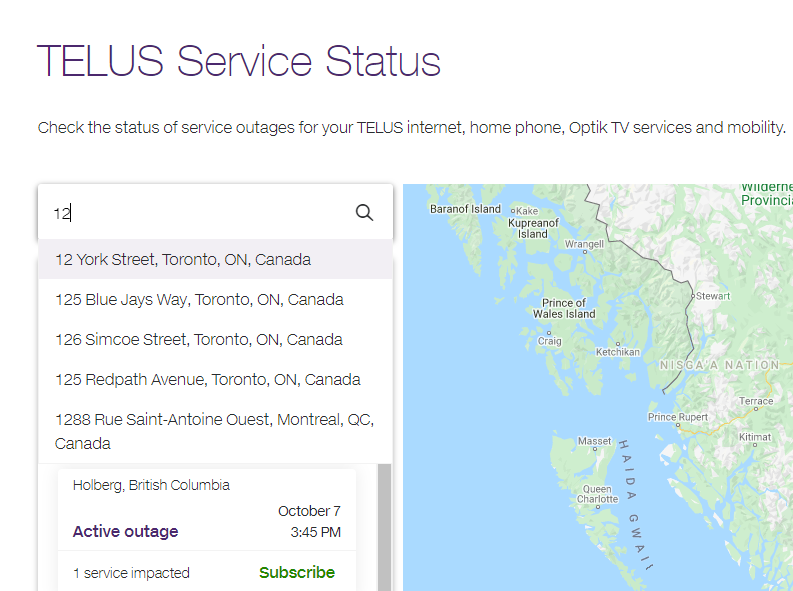
A significant Telus outage across Quebec and Ontario disrupted mobile services and 911 access for thousands of customers on November 4 and 5, 2026.
The failure, triggered by a damaged aerial fibre-optic cable, underscores the ongoing fragility of Canadian telecommunications infrastructure during emergency situations.
LaunchLen Media argues that the recurring vulnerability of 911 services during these outages represents a critical failure in maintaining essential public safety standards.
The Mechanics of the Network Failure
The disruption began on November 4, 2026, when a damaged aerial fibre-optic cable severed connectivity for Telus users in several Quebec communities. According to reports from CTV News and MobileSyrup, the outage affected residents in areas including Châteauguay, Kahnawake, Léry, Mercier, Saint-Constant, and Saint-Rémi.
The impact was severe, as the outage crippled not only standard data and voice services but also the ability to reach 911 emergency dispatchers. By the morning of November 5, 2026, additional network issues were reported in southwestern Ontario, further complicating the situation for mobile users.
While the Quebec outage was linked to physical infrastructure damage, the Ontario incident highlighted the broader instability of the carrier’s network during the same period. Windsor Police Service noted that while their non-emergency lines were impacted by the Ontario disruption, their dedicated 911 emergency line remained functional throughout the event.

Emergency Response and Service Restoration
To mitigate the loss of connectivity, Telus activated emergency roaming protocols, which allowed affected customers to connect to other providers’ networks. This measure was designed to help users regain access to essential services, including emergency calling, while technicians worked to repair the damaged fibre-optic line.
According to official statements confirmed by CBC News, the company successfully restored all services by the afternoon of November 5, 2026. The restoration process involved complex physical repairs to the aerial infrastructure that had been compromised the previous day.
Despite the restoration, the event raised questions about the speed of recovery for critical public safety systems. The reliance on roaming agreements as a contingency plan suggests that while protocols exist, they are not always instantaneous in their deployment during a major outage.
Options for Maintaining Emergency Connectivity
When mobile networks fail, consumers are often left without a primary means of contacting emergency services. The following options and strategies may help maintain connectivity during future service disruptions. Source: CBC News.
Wi-Fi Calling: Many modern smartphones allow for Wi-Fi calling, which can bypass cellular network outages if a stable internet connection is available. Ensure this feature is enabled in your device settings before an emergency occurs.
Landline Backup: Despite the shift toward mobile-only households, maintaining a traditional copper-wire landline remains a reliable method for ensuring 911 access. These systems often operate on independent power and infrastructure, making them less susceptible to fibre-optic damage.
Satellite Messaging: Newer smartphone models now include satellite-based emergency messaging features. While not a replacement for voice calls, these tools can transmit location data and distress signals when cellular and Wi-Fi networks are unavailable.
Public Safety Apps: Some municipalities provide dedicated safety apps that can function over alternative data connections. Checking with your local police or fire department for recommended digital tools is a proactive step for personal safety.
- Enable Wi-Fi calling on your mobile device to provide a secondary communication path.
- Keep a traditional landline if you live in an area with limited cellular redundancy.
- Familiarize yourself with satellite emergency features on your smartphone.
- Monitor local municipal websites for alternative emergency contact numbers during outages.
Infrastructure Resilience and Industry Debate
The recurring nature of these outages highlights a tension between rapid infrastructure expansion and the need for hardened, redundant systems. LaunchLen Media maintains that the inability to guarantee 911 access during a localized cable failure is an unacceptable risk for modern telecommunications providers.
Conversely, some industry observers argue that Telus’s rapid mobilization of emergency roaming protocols demonstrates the effectiveness of existing contingency frameworks. They contend that the complexity of modern fibre networks makes total immunity to physical damage impossible, and that the focus should remain on recovery speed. Source: MobileSyrup.
The counterpoint holds weight in terms of operational reality, but it fails to address the human cost of delayed emergency response. While recovery efforts were timely, the period of silence for thousands of residents remains a significant failure in the promise of universal emergency access.
The Windsor Police Service reported that while non-emergency lines were affected by the Ontario outage, their emergency 911 line remained operational.
CBC News
Next Steps for Affected Customers
If you were impacted by the recent Telus outage, you should first verify your device’s software status to ensure all emergency updates are installed. Manufacturers frequently release patches that improve how devices handle network handoffs during service disruptions.
You should also review your home emergency plan to include non-cellular communication methods. This includes identifying the location of the nearest public landline or ensuring that family members know how to use satellite messaging features if available.
Finally, document any specific instances where you were unable to reach emergency services during the outage. Providing this feedback to the Canadian Radio-television and Telecommunications Commission can help inform future policy decisions regarding network reliability and public safety requirements.
Related coverage on LaunchLen Media: Upcoming TELUS Outage to Cut Emergency 911 Access in Rural Alberta, CRTC Mandates Emergency Alerts for Ice Wireless by 2027.
Frequently Asked Questions
Why did the 911 service fail during the Telus outage?
The outage was caused by a damaged aerial fibre-optic cable, which severed the connection between mobile devices and the emergency dispatch network.
Did the outage affect all Telus customers in Canada?
No, the outage was localized to specific communities in Quebec and parts of Ontario, rather than a nationwide failure.
How did Telus restore service to customers?
Telus utilized emergency roaming agreements to allow customers to connect to other providers’ networks while they repaired the damaged physical infrastructure.


