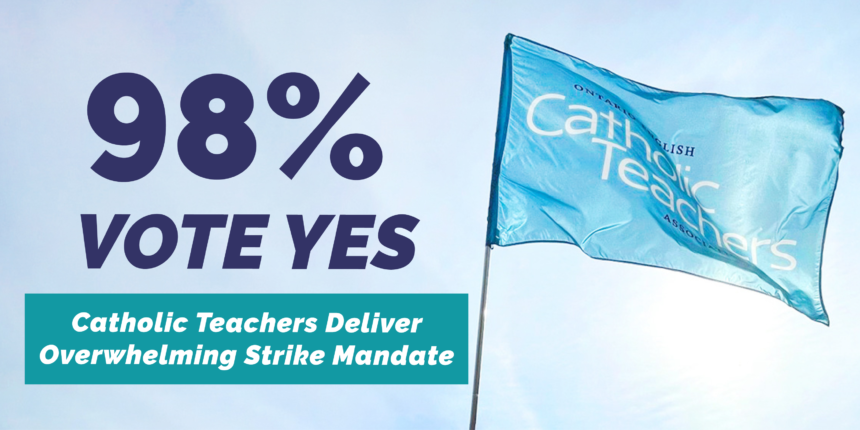
Ontario Catholic teachers delivered a decisive 98 percent vote in favor of a strike mandate on November 12 and 13, 2026. The result reflects deep-seated frustration among the 45,000 educators represented by the Ontario English Catholic Teachers’ Association.
This overwhelming support serves as a critical warning to the provincial government regarding the state of the education system. Launch Len Media views this vote as a breaking point for teachers who face systemic underfunding and safety concerns daily.
The outcome places immense pressure on the Ministry of Education to address classroom conditions before labor action becomes a reality. It highlights the growing instability in the broader canadian labor market as unions push for better working conditions.
The Scope of the Dispute
The recent vote represents one of the largest mobilizations of educators in the province. OECTA President René Jansen in de Wal stated that the result sends an unmistakable message to the government. Source: CBC News.
Teachers are demanding immediate action on chronic underfunding and staffing shortages. They also cited increasing incidents of school violence as a primary reason for the high turnout in the strike vote.
Education Minister Paul Calandra responded to the results by stating he is not fazed by the mandate. He characterized the vote as a procedural step that should encourage both sides to prioritize a fair, negotiated settlement.
The provincial government maintains that it remains committed to reaching an agreement that serves the interests of students and taxpayers. However, the union argues that current conditions are unsustainable for staff and students alike.
I am not fazed by the vote and view it as a call to reach a fair agreement.
Education Minister Paul Calandra

The Legal and Procedural Bottleneck
Despite the strong mandate, a strike is not currently imminent. The union is not in a legal strike position under the Ontario Labour Relations Act.
Negotiations are currently stalled pending a decision from the Ontario Labour Relations Board. The board is reviewing a dispute regarding the scope of central versus local bargaining.
This legal hurdle prevents the two sides from engaging in substantive talks on key issues. Until the board clarifies the bargaining framework, the process remains in a state of administrative limbo.
OECTA is one of five major education unions in Ontario currently holding strike votes throughout November 2026. This synchronized labor movement suggests a province-wide dissatisfaction with current education policies.
Options for Concerned Stakeholders
Educators and parents are looking for ways to navigate the uncertainty caused by the potential for labor action. The following options represent the current landscape for those impacted by the negotiations.
1. Monitor the Ontario Labour Relations Board: The board’s upcoming decision on bargaining scope will dictate whether talks resume immediately or face further delays.
2. Review School Board Communications: Local school boards are the primary source for updates regarding potential closures or changes to school schedules.
3. Engage with Local Trustees: Parents can contact their local Catholic school board trustees to express concerns about how a potential strike might affect student learning.
4. Follow OECTA Updates: The union provides direct information to its members and the public regarding the status of negotiations and strike preparations. Source: CityNews.
- Monitor the Ontario Labour Relations Board for scope rulings.
- Check local school board websites for contingency plans.
- Contact school trustees to advocate for classroom resources.
- Subscribe to official OECTA updates for real-time information.
Analysis of the Standoff
Launch Len Media believes the 98 percent vote is a clear signal that the status quo is no longer acceptable to educators. The high percentage indicates that the concerns over safety and funding are not fringe issues but are shared by the vast majority of the workforce.
Conversely, the government’s stance that the vote is merely procedural may underestimate the level of resolve among teachers. By downplaying the mandate, the Ministry risks hardening the resolve of union members who feel their professional concerns are being ignored.
The government’s focus on a fair agreement is necessary, but it must be backed by tangible investments in classroom staffing and safety. Without addressing these root causes, the risk of a prolonged labor dispute remains high.
The current stalemate serves as a reminder that labor relations in the education sector require more than just procedural compliance. It requires a genuine commitment to addressing the systemic issues that have led to this historic level of teacher mobilization.
Next Steps for Educators and Families
For teachers, the immediate priority is to remain informed through official union channels while awaiting the Labour Relations Board decision. Maintaining professional standards while exercising the right to organize is essential during this period.
Families should prepare for the possibility of labor disruptions by establishing alternative childcare arrangements if necessary. While no strike date has been set, the high mandate suggests that the situation could escalate quickly once legal hurdles are cleared.
The public should continue to pressure the government to prioritize education funding in the upcoming budget cycles. A well-funded system is the only long-term solution to the staffing and safety issues currently plaguing Ontario schools.
Ultimately, the resolution of this dispute will depend on the willingness of both parties to compromise. A fair agreement must balance the fiscal constraints of the province with the urgent need for a safe and effective learning environment.
Frequently Asked Questions
Does this vote mean schools will close immediately?
No. The union is not currently in a legal strike position, and the vote is a mandate to authorize future action, not an immediate strike call.
What is the Ontario Labour Relations Board currently reviewing?
The board is reviewing a dispute regarding the scope of bargaining, specifically whether certain issues should be negotiated centrally or at the local board level.
How many teachers are represented by OECTA?
The union represents approximately 45,000 teachers within the Ontario English Catholic school system.
Related reading: How Ontario Supervised School Boards Strip Elected Trustees of Power, Ontario Freezes ECE Wage Floor, Stalling Child Care Expansion, Ontario education.