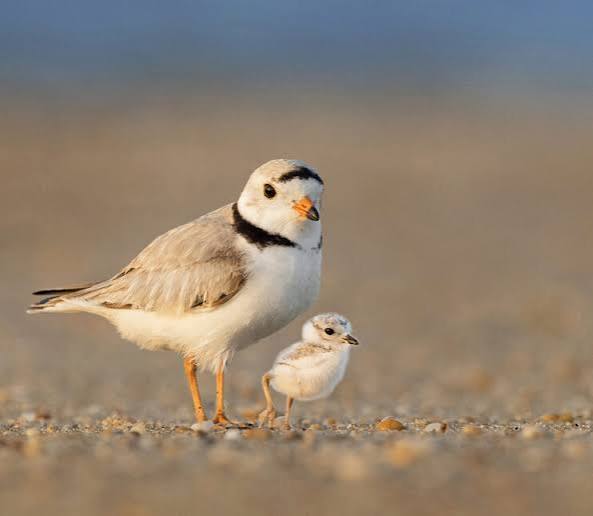
Environment and Climate Change Canada officially determined on November 10, 2026, that the endangered Piping Plover faces an imminent threat to its recovery at Wasaga Beach. This federal finding follows the removal of provincial habitat protections in Ontario.
This assessment forces the federal government to consider emergency measures to prevent the extirpation of the species. LaunchLen Media contends that the federal government must immediately exercise its emergency powers under the Species at Risk Act to ensure the survival of this critical population.
The stakes are high for the Great Lakes population of this shorebird. Failure to act could result in the permanent loss of the most significant breeding habitat for the species in the province.
The Federal Assessment Findings
The federal assessment process began following a January 27, 2026, petition submitted by Environmental Defence, Ontario Nature, and Ecojustice. This petition highlighted the risks posed to the endangered Piping Plover after the Ontario government removed provincial park protections for the bird’s critical breeding habitat.
On November 10, 2026, Environment and Climate Change Canada released its formal determination. The report concluded that the recovery of the species is highly unlikely without immediate federal intervention to address intensifying threats.
The report specifically identified mechanical beach raking as a primary threat to nesting success. This process flattens sand and removes natural features essential for the birds to thrive.
The federal ministry also noted that the Town of Wasaga Beach’s existing by-laws contain exemptions for employees and contractors. These loopholes allow for activities that damage natural features within the critical habitat.
Development Risks and Regulatory Gaps
Beyond current maintenance practices, the federal report analyzed the impact of proposed development projects at Wasaga Beach. These include an enhanced boardwalk, an amusement deck, an eco-resort, an amphitheatre, and a marina with a pedestrian bridge.
The ministry determined these projects carry a high potential for severity. If implemented as planned, these developments would make the recovery of the endangered Piping Plover extremely difficult.
While the report noted that construction is not yet imminent enough to mandate immediate intervention, it warned that these projects could trigger future obligations under the Species at Risk Act.
The regulatory gap created by the province has left the federal government as the primary authority for species protection. Under Section 80 of the federal Species at Risk Act, the Minister of Environment is required to recommend an emergency order when a species faces such threats.
Legal and Advocacy Perspectives
Legal experts and environmental advocates have criticized the time taken to reach this determination. Andrew Cleland, a lawyer at Ecojustice, emphasized that the months-long delay points to systemic issues in federal enforcement.
Ecojustice filed a judicial review application in April 2026, followed by an urgent injunction motion in July 2026. These actions were necessary to compel the government to address the threats facing the endangered Piping Plover.
Phil Pothen, the Ontario environment program manager at Environmental Defence, stated that the federal cabinet now has no defensible course except to issue an emergency order. He urged the government to make the order comprehensive and to act quickly.
Tony Morris, the Conservation Policy and Campaigns Director at Ontario Nature, noted that Wasaga Beach remains the most significant habitat for the species in Ontario. He argued that federal action is essential in the absence of provincial protections.
While the Minister’s acknowledgement that Piping Plovers face imminent threats is an important first step, the months-long delay points to a systemic issue with the federal government’s failure to take urgent action to protect endangered species, as required by law.
Andrew Cleland, lawyer, Ecojustice
Proposed Solutions and Next Steps
The primary solution proposed by environmental groups is the issuance of a comprehensive federal emergency order. This order would override local municipal exemptions and provide uniform protection across the critical habitat.
Advocates suggest that the federal government must prioritize the following actions to ensure the survival of the endangered Piping Plover:
The federal government must immediately finalize the emergency order under the Species at Risk Act to provide legal teeth to habitat protections.
The federal government should establish a monitoring program to ensure that municipal contractors comply with federal environmental standards.
The federal government must re-evaluate the proposed development projects at Wasaga Beach to ensure they do not proceed in areas critical to nesting.
The federal government should engage in transparent reporting on the status of the species to maintain public accountability.
Analysis of the Conflict
The conflict centers on the tension between local economic development and federal environmental mandates. Municipal authorities in Wasaga Beach have historically argued that local management plans are sufficient to balance recreational needs with environmental stewardship.
The Town of Wasaga Beach has previously maintained that its by-laws provide adequate protection. They argue that federal intervention could unnecessarily override local governance and disrupt planned economic projects.
However, the federal assessment explicitly rejects the sufficiency of these local measures. The report highlights that exemptions for municipal staff and contractors render existing protections ineffective against mechanical damage.
LaunchLen Media maintains that the federal government must prioritize the survival of the endangered Piping Plover. While local governance is important, it cannot supersede the federal legal obligation to prevent the extinction of a species on the brink of disappearance.
Frequently Asked Questions
What is the primary threat to the Piping Plover at Wasaga Beach?
The federal government identified mechanical beach raking and proposed development projects as the most significant threats to the species’ recovery.
Why is federal intervention required now?
The Ontario government removed provincial protections for the habitat, creating a regulatory gap that the federal government is now legally obligated to fill under the Species at Risk Act.
What does an emergency order under the Species at Risk Act do?
An emergency order allows the federal government to implement immediate, binding protections for a species and its habitat when an imminent threat to survival is identified.