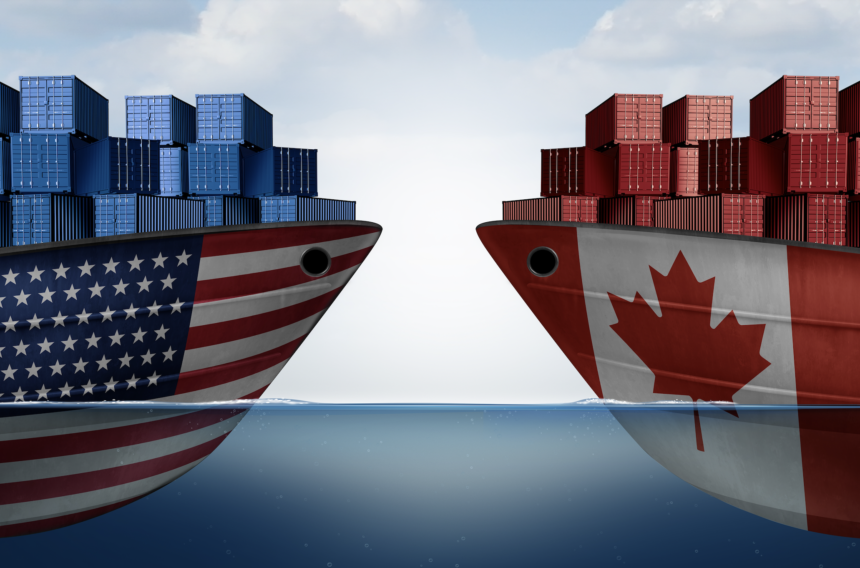
Republican candidates across the United States attempted to distance themselves from Trump Canadian tariffs in the final weeks of the 2026 midterm elections. Despite these late pivots, the party suffered significant losses as voters prioritized economic concerns over protectionist rhetoric.
This shift highlights the failure of the GOP to reconcile its trade policy with the immediate financial pressures facing American households. Launch Len Media views this electoral outcome as a clear rejection of trade wars that prioritize political signaling over consumer affordability.
The Mechanics of the 2026 Trade War
In August 2026, President Donald Trump enacted a 50% tariff on $27.6 billion worth of Canadian imports, including automobiles, parts, and steel. Canada responded by implementing dollar-for-dollar retaliatory tariffs on U.S. products, according to official data from Canada.ca. Source: CBC News.
The economic impact was immediate. According to the U.S. National Taxpayers Union Foundation, these tariffs cost Michigan households approximately $27 billion since January 2025. Rural communities were particularly affected by rising costs for fertilizer and fuel, which were linked to the trade conflict.
By the time the midterm elections arrived, the economic fallout had become a central campaign issue. Candidates who had previously supported the administration’s trade agenda found themselves struggling to explain the increased costs of everyday goods to their constituents.
Michigan GOP Senate nominee Mike Rogers provided a notable example of this political pivot. After initially calling for Canada to pay for environmental cleanup costs, Rogers eventually aired advertisements calling for an end to the tariffs, though the change in tone did not save his campaign.
The failure of this pivot suggests that voters were less interested in the tactical shifts of individual candidates than in the broader, tangible consequences of the trade policy. As the new Congress prepares to seat on January 3, the legislative focus has shifted toward reversing these measures.

Democratic Legislative Strategy
Following the midterm results, Democratic leadership is moving quickly to address the trade conflict. Senator Ron Wyden, the incoming chair of the Senate Finance Committee, has stated that there is overwhelming support for repealing the tariffs on Canadian products.
The legislative path to ending the trade war involves overriding potential vetoes from the White House. To succeed, Democrats would need to secure support from approximately 30 to 35 Republican House members and 11 to 13 Republican senators, depending on final vote tallies.
Democratic Senator-elect Abdul El-Sayed, who defeated Mike Rogers in Michigan, has identified ending the trade war as a top legislative priority. He characterized the tariffs as a vanity project that lacks any sound economic justification.
The push to repeal these measures is expected to gain momentum as more lawmakers acknowledge the electoral lessons of the midterms. Even long-time protectionists within the Democratic party, such as Sherrod Brown, have shifted their focus toward free trade in response to the affordability crisis.
This legislative effort represents a significant attempt to reassert congressional authority over trade policy. By framing the tariffs as a direct cause of the current inflation, Democrats hope to build a coalition large enough to force a policy reversal. Source: Canada.ca.
There is no economic reason why we are having a tariff war with our biggest trading partner. This has to end.
Democratic Senator-elect Abdul El-Sayed
Candidates Who Attempted to Pivot
Several high-profile Republican candidates attempted to distance themselves from the administration’s trade policies as the midterms approached. These efforts were largely reactive, aimed at mitigating the damage caused by the high cost of living in their respective districts.
In Maine, Senator Susan Collins requested that the administration drop tariffs on road salt to prevent local municipalities from raising property taxes. While the administration complied, the move was insufficient to prevent her electoral defeat.
In Kansas, Senator Roger Marshall urged the administration to exempt Bombardier, a Montreal-based company with operations in Wichita, from trade actions. Despite receiving a favorable response from the White House, Marshall was unable to retain his seat.
These examples demonstrate the limitations of seeking specific exemptions while the broader trade policy remains in place. Voters appeared to hold the party responsible for the aggregate economic impact rather than rewarding individual efforts to secure local relief.
The failure of these candidates to survive the election cycle suggests that the political brand of the trade war had become toxic. Even when candidates successfully lobbied for relief, the underlying economic narrative proved too difficult to overcome.
- Mike Rogers (Michigan): Attempted to pivot from pro-tariff rhetoric to a pro-Canada stance late in the campaign.
- Susan Collins (Maine): Successfully lobbied for exemptions on road salt but still lost her re-election bid.
- Roger Marshall (Kansas): Secured exemptions for local aviation manufacturing but failed to win over voters concerned with the cost of living.
- Ted Cruz (Texas): Acknowledged that the party alienated rural voters by ignoring the economic pain caused by tariffs.
Analysis: The Limits of Political Maneuvering
The Republican attempt to distance themselves from Trump Canadian tariffs was a transparent, ineffective political maneuver. By waiting until the final weeks of the campaign to pivot, these candidates failed to convince voters that their change of heart was genuine.
Launch Len Media argues that the failure of this strategy stems from a fundamental misunderstanding of voter priorities. When households are struggling with the cost of food and fuel, a late-stage shift in rhetoric is rarely enough to offset years of support for policies that caused the pain.
A fair counterpoint, however, is that these lawmakers were responding to genuine economic pressure from constituents in border states and industries hit hard by retaliatory duties. For many, the pivot was a pragmatic necessity to address the immediate financial crises of their voters.
Despite this, the political reality remains that the GOP failed to offer a coherent alternative to the administration’s trade agenda. The persistence of the trade war, combined with the lack of a unified party stance, left voters with the impression that the party was divided and ineffective. Source: Financial Express.
Ultimately, the 2026 midterms showed that trade policy has real-world consequences that cannot be managed through political spin. The incoming Congress will likely move to dismantle these tariffs, not because of a sudden ideological shift, but because the electoral cost of maintaining them has become too high.
What Readers Can Do
If you are concerned about the impact of trade policy on your personal finances, consider tracking the legislative progress of the Senate Finance Committee. Changes to tariff policy will directly affect the cost of imported goods, including automotive parts and household items.
Monitor the status of your local representatives regarding their stance on trade. As the new Congress takes office on January 3, public pressure remains a key tool for influencing the repeal of existing tariffs.
Review your own budget for potential exposure to trade-related price hikes. If you own a vehicle or are planning a home renovation, be aware that the costs of materials and parts may remain elevated until the current trade disputes are resolved.
Stay informed about the broader economic landscape by following updates on trade disputes and their impact on inflation. Understanding these connections can help you make more informed decisions regarding long-term purchases and investments.
Engage with local business organizations that may be advocating for a more stable trade environment. These groups often provide the most accurate information on how specific policies are affecting regional economies and job markets.
Frequently Asked Questions
Why did the tariffs on Canadian goods cause such a significant economic impact?
The tariffs triggered retaliatory measures from Canada, creating a double price shock that increased the cost of essential goods like fertilizer, fuel, and automotive parts.
Will the new Congress be able to end the trade war immediately?
While there is strong support among Democrats to repeal the tariffs, the process requires overriding potential vetoes, which will necessitate significant Republican cooperation.
How did the 2026 midterms change the political landscape regarding trade?
The elections demonstrated that voters hold the party in power accountable for the economic pain caused by trade wars, forcing a shift in focus toward affordability and free trade.
Related reading: how Northern Ontario municipalities are approaching trade after the US election and Ontario’s reaction to the midterm results.