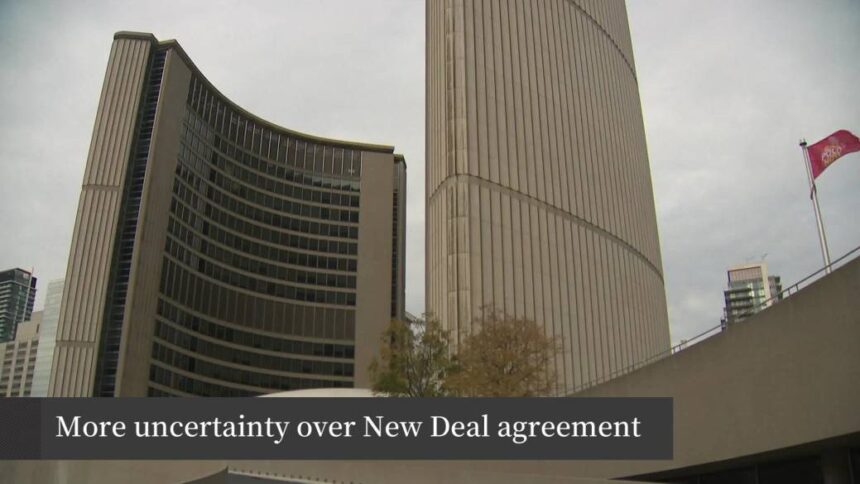
Ontario Premier Doug Ford has officially rejected the City of Toronto’s request for a new Toronto funding agreement. The Premier stated on November 4, 2026, that there will be no second version of the 2023 financial deal.
This decision forces the city to confront a $1.1 billion budget shortfall for the 2027 fiscal year without additional provincial assistance. The provincial government maintains that Toronto must now demonstrate fiscal responsibility by managing its own budget independently. Related coverage: Doug Ford on Ontario trade and U.S. midterms.
The End of the 2023 Financial Partnership
The 2023 agreement between the province and the City of Toronto was described by city officials as a stop-gap measure. It provided $1.2 billion in operating support over three years and included the provincial upload of the Gardiner Expressway and the Don Valley Parkway. Source: CBC News.
With that funding expiring, city officials had hoped to negotiate a long-term solution. Premier Ford, however, was clear in his assessment of the current situation.
There is no 2.0, Ford told reporters on November 4, 2026. He emphasized that the province is facing tough economic times that limit the treasury.
Finance Minister Peter Bethlenfalvy echoed this sentiment, stating that a new deal with Toronto was not part of the provincial plan. Minister of Municipal Affairs and Housing Rob Flack confirmed he was not aware of any ongoing negotiations regarding a new agreement.
There’s no 2.0.
Ontario Premier Doug Ford

Fiscal Pressures and the $1.1 Billion Gap
The City of Toronto is currently projecting a $1.1 billion budget shortfall for the 2027 fiscal year. This deficit has prompted immediate action from Mayor Olivia Chow’s office.
To mitigate the impact, the city has introduced a hiring freeze on non-front-line positions. This measure is intended to preserve core services while the city navigates its financial instability.
The province is also under significant pressure, reporting a $16.9 billion deficit for the current year. Officials argue that the province cannot continue to subsidize municipal operations indefinitely.
City budget chief Shelley Carroll has previously argued that Toronto requires sustainable, long-term revenue tools. Previous attempts to secure new revenue sources, such as a municipal sales tax, were rejected by the provincial government.
Potential Targeted Funding Options
While the Premier has ruled out a comprehensive new deal, he has left the door open for discussions on specific, high-priority projects. These options focus on public safety and infrastructure maintenance rather than general operating support. Source: CP24.
The following areas remain potential points of negotiation between the city and the province:
Subway Policing: The Premier expressed interest in increasing police presence on public transit to reduce crime. This aligns with previous campaign promises made by municipal candidates to improve station safety.
Public Safety Initiatives: Targeted funding for specific crime reduction programs could be considered if they directly address provincial concerns regarding transit safety.
Infrastructure Maintenance: While the province has already taken over major highways, future maintenance agreements for related infrastructure could be discussed on a case-by-case basis.
Housing Development: The province continues to prioritize housing growth. Any city requests tied directly to housing infrastructure funding may receive more favorable consideration than general budget requests. See also OREA’s push for Ontario housing tax relief.
Analysis of the Provincial Stance
The provincial government’s refusal to negotiate a new deal reflects a broader strategy of fiscal restraint, consistent with other province–municipal power shifts. By forcing the city to manage its own budget, the province is attempting to shift the burden of municipal service costs away from the provincial treasury.
Critics argue that this approach leaves Toronto in a precarious position, as the city lacks the revenue tools necessary to cover its structural deficit. Without a new agreement, the city may be forced to cut services or increase property taxes significantly.
The counterpoint from the province is that the 2023 deal was an unprecedented investment. Provincial officials argue that Toronto must prioritize its own spending before seeking further assistance from taxpayers across the province. Source: Global News.
Ultimately, the provincial position remains firm because it aligns with the government’s current austerity mandate. The focus on targeted funding rather than broad agreements allows the province to maintain political control over where its limited funds are spent.
Next Steps for City Residents
Residents should monitor upcoming city council meetings as the 2027 budget process continues. The hiring freeze and potential service adjustments will be key topics of debate in the coming months.
If you are concerned about service levels, you can contact your local city councillor to express your priorities for the upcoming budget. Participation in public consultations provides a direct way to influence how the city manages its limited resources.
Keep track of provincial announcements regarding transit safety and policing. These specific areas are the most likely to see future funding developments despite the rejection of a broad deal.
Stay informed about any changes to property tax rates or municipal fees, as these are the primary levers the city will likely use to close the $1.1 billion gap.
Frequently Asked Questions
Why did the province reject the new funding agreement?
Premier Ford cited the province’s $16.9 billion deficit and the need for fiscal prudence as the primary reasons for rejecting a new deal.
What is the size of the projected budget shortfall for Toronto?
The City of Toronto is facing a projected $1.1 billion budget shortfall for the 2027 fiscal year.
Is there any chance for future funding from the province?
While a broad, multi-billion dollar agreement is off the table, the Premier indicated he remains open to discussing targeted priorities such as subway policing and public safety.