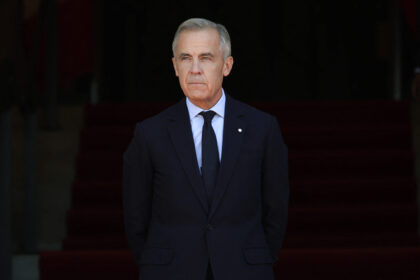
Ontario Premier Doug Ford publicly cheered the Democratic Party’s victory in the 2026 U.S. midterms, declaring the results a global win. The Premier stated he was doing cartwheels following the party’s success in gaining control of both the Senate and the House of Representatives.
This reaction highlights the high stakes for Ontario’s economy as the province seeks to navigate ongoing trade tensions. LaunchLen Media views this move as a strategic, albeit high-risk, effort to leverage the shifting political landscape to protect provincial trade interests.
The Premier’s enthusiasm reflects deep concerns regarding previous tariff policies that impacted the province. Whether this approach yields tangible trade benefits or creates diplomatic friction remains the central question for Ontario’s international relations.
The Shift in U.S. Legislative Power
The November 2026 midterm elections resulted in a significant power shift within the United States. According to reports from Global News, the Democratic Party secured control of both the Senate and the House of Representatives. Source: CP24.
This change in governance arrived after a period of intense trade friction between Canada and the United States. Premier Doug Ford, in comments reported by CP24, explicitly linked the election outcome to the potential for de-escalating trade wars and tariffs.
Ford described the result as a victory across the world during his public remarks on November 4, 2026. He noted that he was jumping up and down in response to the news, framing the outcome as a rebuke of the previous administration’s policies.
The Premier’s comments were directed at the broader implications for Ontario’s economy. By celebrating the loss of the opposing party, Ford signaled his desire for a reset in the cross-border economic relationship.

Cabinet Mobilization and Diplomatic Outreach
Following the election results, the provincial government moved quickly to capitalize on the new political reality. According to National Newswatch, the Premier has directed his cabinet to travel to the United States immediately.
The goal of these missions is to build relationships with newly elected members of Congress. These lawmakers will play a critical role in shaping future trade policy, including the potential removal or modification of existing tariffs.
Ford has consistently criticized previous tariffs imposed on Canadian goods, particularly those affecting the auto sector. These levies have been a major point of contention for Ontario’s manufacturing base.
By sending cabinet ministers to Washington, the province aims to secure a seat at the table during upcoming legislative sessions. This proactive approach is intended to ensure that Ontario’s economic interests are prioritized by the new congressional majority.
I was doing cartwheels and jumping up and down.
Ontario Premier Doug Ford, November 4, 2026
Strategic Options for Ontario Trade
The Ontario government is currently evaluating several diplomatic paths to mitigate the impact of U.S. trade policies. These options are designed to stabilize the provincial economy and protect key industrial sectors. Source: Global News.
The following list details the primary strategies currently being pursued by the provincial administration:
Direct Congressional Engagement: Cabinet members are tasked with establishing personal connections with incoming Democratic legislators to advocate for tariff relief.
Sector-Specific Lobbying: The province is focusing on the auto sector, which has been disproportionately affected by past trade barriers and tariffs.
Inter-Provincial Coordination: Working with federal authorities to ensure a unified Canadian voice in trade negotiations, despite differing public stances.
Economic Diversification: Reducing reliance on specific U.S. markets by exploring alternative trade partnerships, a long-term goal for the provincial government.
Analysis of the Premier’s Public Stance
The Premier’s vocal celebration of the Democratic victory represents a calculated gamble. By publicly taking sides in U.S. domestic politics, Ford is attempting to signal a clear break from the previous trade environment.
Critics argue that such emotional displays may be ill-judged. Taking a partisan stance can potentially complicate delicate diplomatic efforts, as it risks alienating members of the opposition party who still hold significant influence.
Federal trade minister Dominic LeBlanc has maintained a more cautious stance regarding the election results. According to The Canadian Press, LeBlanc stated that Canada’s focus on trade negotiations remains unchanged despite the outcome. Source: National Newswatch.
This divergence between provincial and federal messaging highlights the complexity of managing international relations. While the Premier seeks to build immediate rapport with the winners, the federal government prefers a more traditional, non-partisan approach to diplomacy.
Despite the risks, the Premier’s view remains that a change in U.S. leadership provides a necessary opening for Ontario. The effectiveness of this strategy will ultimately be measured by the actual reduction of tariffs on provincial goods.
Next Steps for Ontario Stakeholders
Businesses and stakeholders in Ontario should monitor the upcoming cabinet missions to the United States closely. The outcomes of these meetings will likely determine the trajectory of trade policy for the coming year.
If you are involved in the manufacturing or auto sectors, it is important to track any updates regarding tariff exemptions or new trade agreements. The provincial government is expected to release further details on their outreach efforts in the coming weeks.
Stakeholders should also maintain communication with their respective industry associations. These groups often provide the most accurate information on how government-level diplomatic efforts translate into practical changes for businesses.
Finally, remain aware that diplomatic shifts take time to materialize. While the Premier’s rhetoric suggests immediate optimism, the actual implementation of trade policy changes in the United States is often a slow and bureaucratic process.
Frequently Asked Questions
Why did Premier Doug Ford celebrate the U.S. midterm results?
The Premier celebrated because he believes the Democratic victory could lead to the removal of tariffs and trade wars that have negatively impacted Ontario’s economy.
What is the Ontario government doing to address trade concerns?
The government has directed cabinet members to travel to the United States to build relationships with newly elected members of Congress to advocate for provincial interests.
How does the federal government view the Premier’s comments?
Federal trade minister Dominic LeBlanc has maintained a cautious, neutral stance, emphasizing that Canada’s overall trade negotiation strategy remains unchanged.
Ontario’s exposure to U.S. politics also shows up in cultural and industrial channels, including how U.S. tariffs have pressured Ontario’s art economy and broader market mood ahead of elections covered in Wall Street’s midterm-week rebound.